San Yin Tang X Zen Master Jiao Ran
The name San Yin Tang comes from a tea poem that has been passed down for over 1,200 years.
This poem was written during the prosperous Tang Dynasty by the "tea monk" Master Jiaoran. Their fate to meet was already destined a thousand years ago.
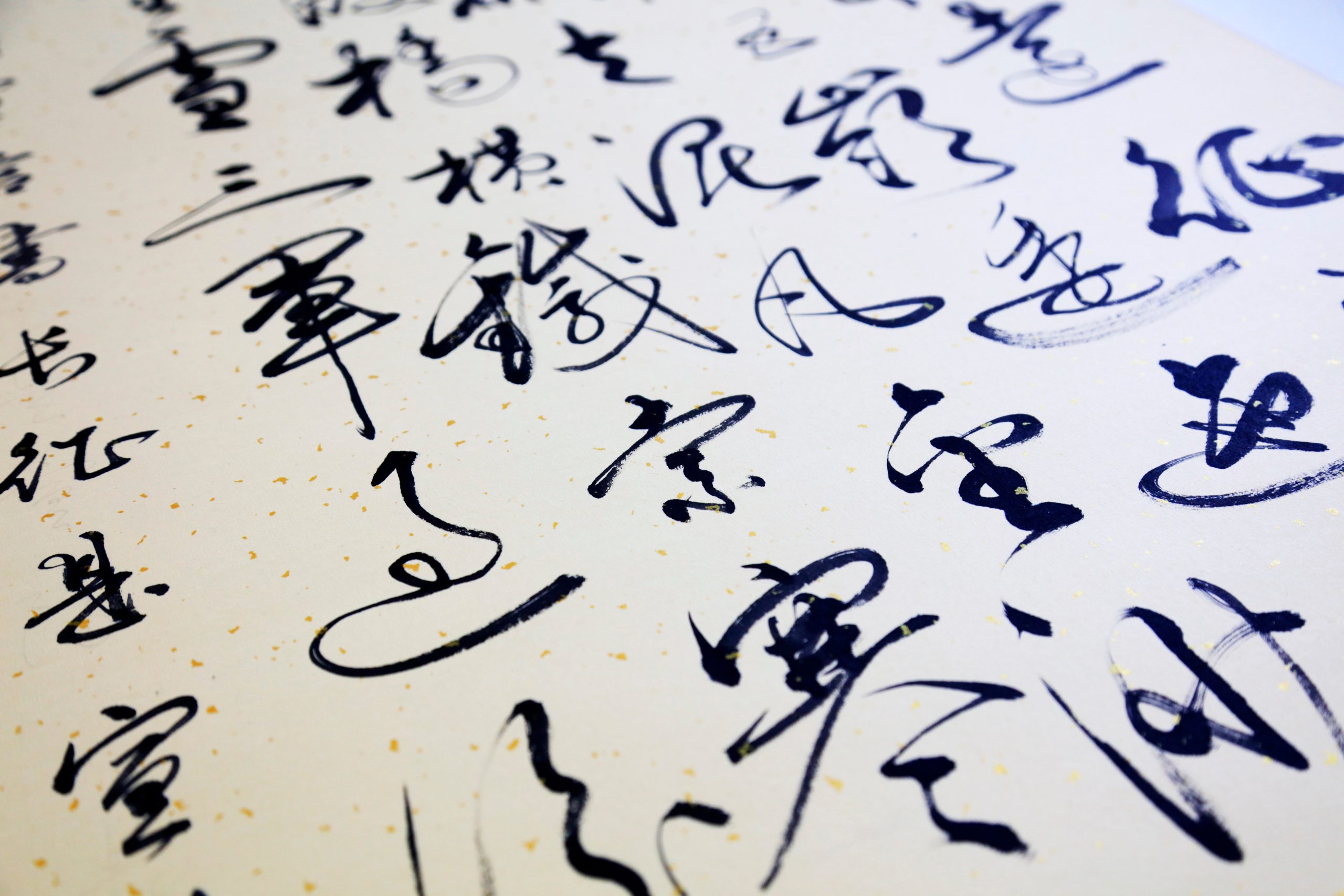
The poem, titled "Drinking Tea and Singing a Song to Mocking Prefect Cui Shi," was written by Zen Master Jiaoran of the Tang Dynasty.
The people of Yue gave me tea from the Shanxi River; I picked the golden buds and cooked them in a golden cauldron.
The porcelain is white as snow, with a fragrant mist, like the nectar of immortals.
One drink washes away drowsiness, and a feeling of clarity fills the world.
Another drink refreshes my spirit, like a sudden shower of light dust.
Three drinks and one attains enlightenment; why bother to painstakingly overcome afflictions?
This thing is of noble purity, unknown to the world; people drink wine, often deceiving themselves.
I gaze sadly at Bi Zhuo's wine jar at night, and laugh at Tao Qian's time under the fence.
Lord Cui, unable to contain his delight, sang a wild and astonishing song.
Who knows the true essence of the tea ceremony? Only Danqiu has attained it.
This exquisite ancient poem about tea has now been adapted into a song. We thank the Han Guang Education Foundation for exclusively authorizing San Yin Tang to perform the song.
The song's music can be accessed by clicking the link below:
《Translation》
A friend from Zhejiang gave me a famous tea from Shanxi, made from the tender, pale yellow buds of the tea leaves, which I then brewed in a teapot.
The brewed tea was poured into a white porcelain bowl, and the bowl was filled with pale blue foam.The aroma is enticing, like the nectar of the Jade Tree that immortals drink.
After drinking it, the drowsiness is washed away, and the whole body feels refreshed and invigorated, as if all things in the world are full of vitality.
Drinking again brightened my mind and invigorated my spirit, like a gentle rain falling on the dust of the world, making me feel refreshed and detached from worldly affairs.
Drinking three times feels like attaining enlightenment and ascending to immortality; there's no need to painstakingly overcome troubles anymore.
The refreshing and unique qualities of this tea are not well understood by most people, while drinking alcohol often means deceiving themselves.
I saw that Bi Zhuo was indulging in drinking and spending the night by the wine vat.
I laugh as I read the drinking poems that Tao Yuanming wrote under the eastern fence.
After drinking the tea, Cui was still not satisfied and sang a song wildly. His reaction after finishing the tea was astonishing.
Only the legendary immortal Danqiu Zi truly understood the essence of the art of tea drinking.
Tang Dynasty, Tea Monk Jiaoran
(730-799) Brief Biography
His secular surname was Xie, his courtesy name was Qingzhou, and he was from Wuxing County (now Huzhou City, Zhejiang Province). He was the tenth-generation descendant of Xie Lingyun, the founder of Chinese landscape poetry. He was a famous poet and tea monk in the Tang Dynasty. He loved drinking tea and claimed that he had attained enlightenment through three drinking sessions.
In his middle age, he secluded himself at Miaoxi Temple to practice Buddhism and became friends with Lu Yu, the "Sage of Tea," and Yan Zhenqing, the "Master of Regular Script." He was highly accomplished in literature, Buddhism, and tea studies.
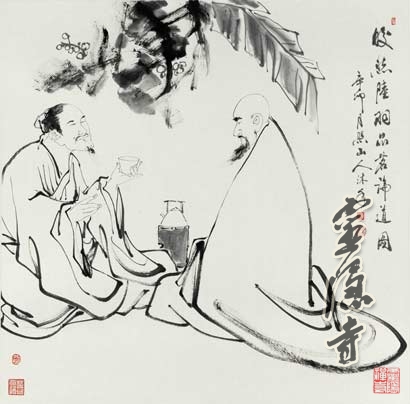
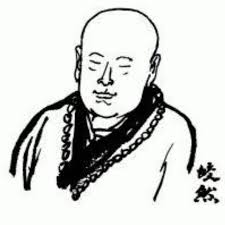
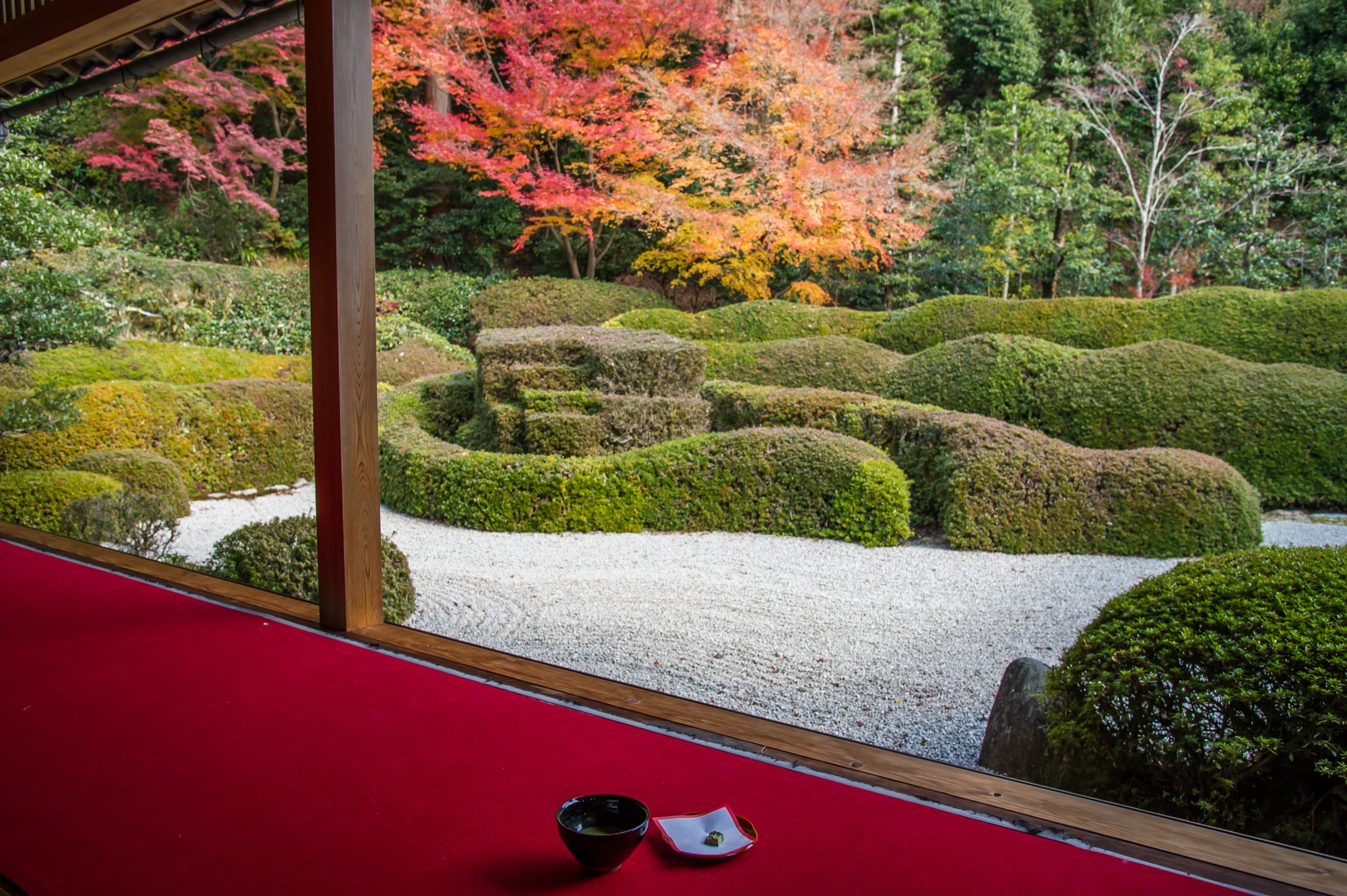
At the Three Drinks Hall, sharing a table with the poet
These few dozen lines of poetry not only showcase the elegance and prosperity of Tang Dynasty tea culture,Furthermore, the process of "tea tasting" is transformed into a spiritual practice that leads to a clear mind and transcendence of worries.
When we try to sit down and brew a pot of tea, we begin to imagine ourselves as Cui Shi, the magistrate of a thousand years ago, sitting opposite Master Jiaoran.
After the first and second sips, the saying "Attain enlightenment with the third sip" slowly emerges in the aroma of tea, seemingly reminding us: there's no need to strive so hard.A simple cup of tea can often bring deep satisfaction and peace to one's soul.
Zen is in tea, and Zen is in every sip.
Zen Buddhism often says, "Directly pointing to the mind, seeing one's true nature and becoming a Buddha."
Drinking tea is also a direct form of spiritual practice.
In the writings of Zen Master Jiaoran, tea is not merely about quenching thirst; it leads one from cleansing away drowsiness to achieving mental clarity, and ultimately to attaining a state of unhindered freedom.
Effortless, yet profound; seeking nothing, yet gaining more in seeking nothing.
The three drinks were like a small Zen consultation:
The first drink washes away daily fatigue and brings you back to the present moment;
The second drink brought a clear and serene inner world, free from distractions.
The third drink is about letting go of attachments and understanding that "there is nothing to begin with, so where can dust settle?"
Tea is in the cup, Zen is in the heart.
May everyone who comes to San Yin Tang feel the same way we do: drawn by this poem, by this cup of tea, and by this brief stay.
On the third drink, I quietly let go of the burden in my heart, and with a sense of lightness and brightness, I continued on my own path.