What makes winter tea so appealing?
Three Drinks Church is characterized by four aspects: aroma, sweetness, thickness and flavor.
We will introduce you to the flavor characteristics of winter tea under the low temperature and time.
We also share the suitable brewing direction, so that the seasonal tea can be slowly ripened and unfolded steadily in the cup.
Winter tea is a slow flavor at Three Drinks.
For Three Drinks.
Winter tea is not just the name of a new season, but a flavor that slows down the rhythm of the whole.
As the weather cools down and the air becomes cleaner and clearer.
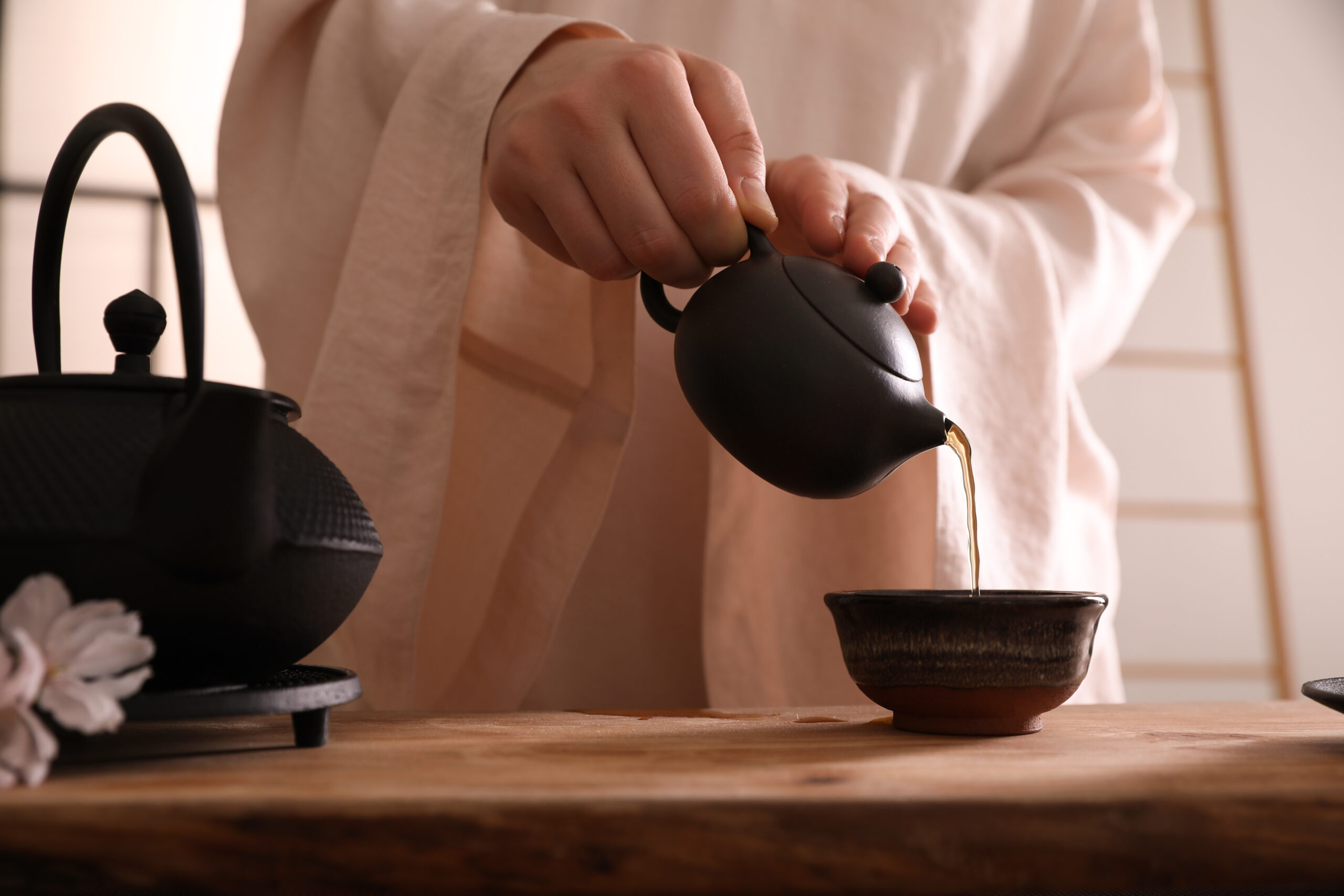
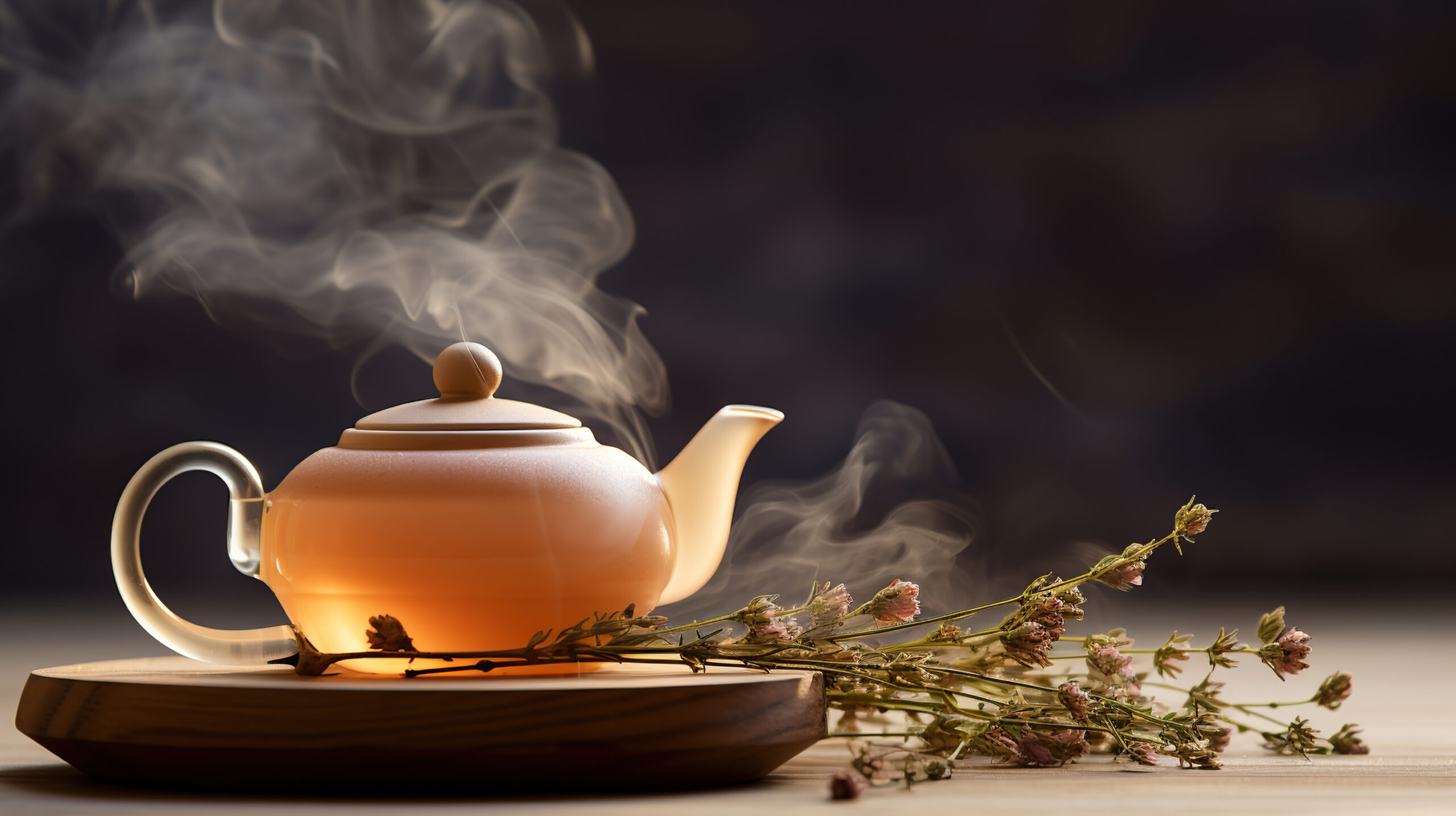
The golden color of the tea in the pot is like a small note for this time:
It doesn't need to be ostentatious, just steady and quiet as it unfolds in the cup.
We love winter tea.
The reason is that from the aroma to the tea broth, to the sweetness in the throat, all of them carry a kind of "not in a hurry to finish" calmness.
You can think about things while you drink.
You can also not think about anything and just concentrate on the flavor, sweetness, thickness, and the flavor that comes up layer by layer.
This kind of tea is exactly in line with what Three Drinks has always wanted to do - let a cup of tea gently slow down your daily pace.

What is "Winter" in Winter Tea? Let's be clear
Let's get the basic concepts out of the way first.
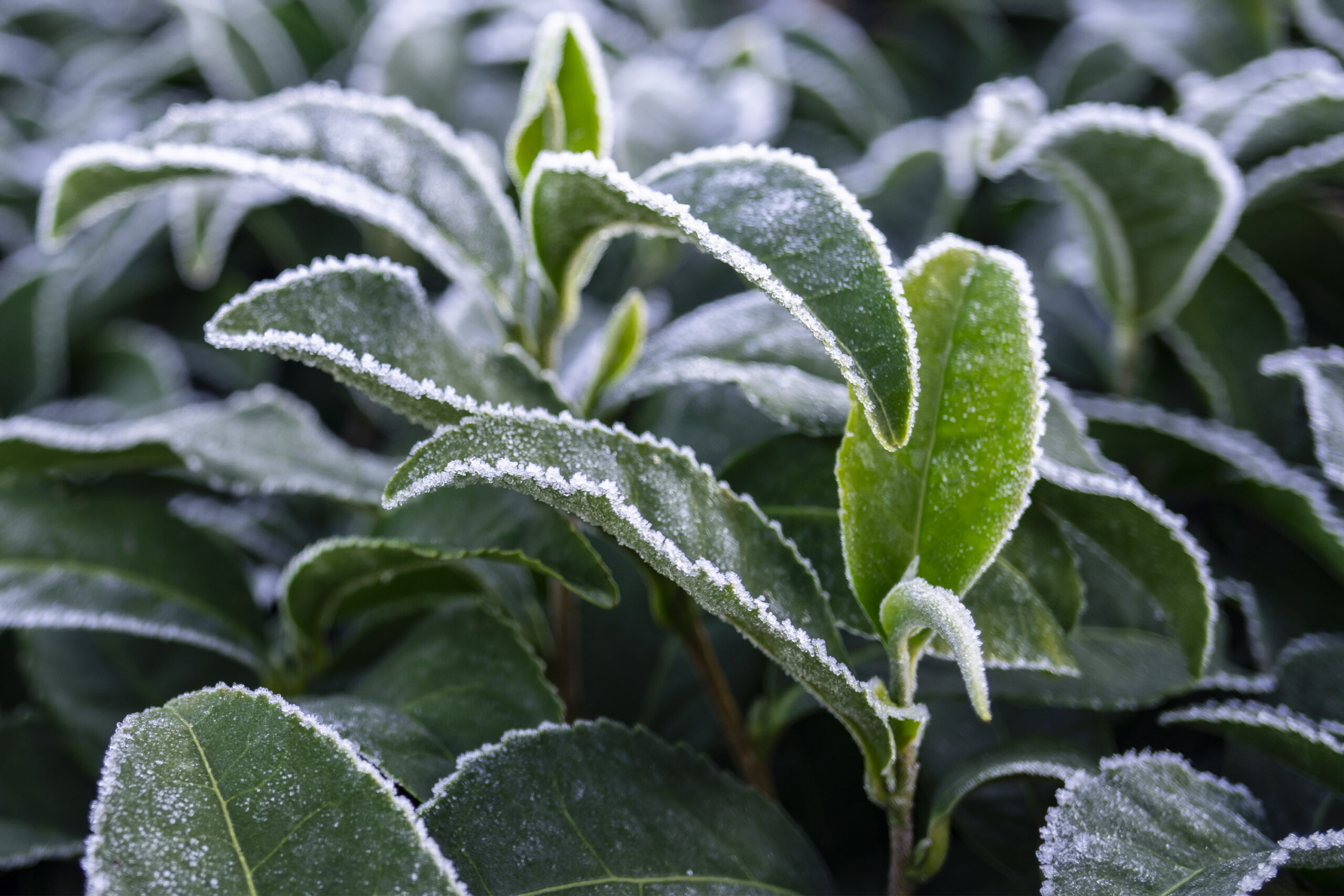
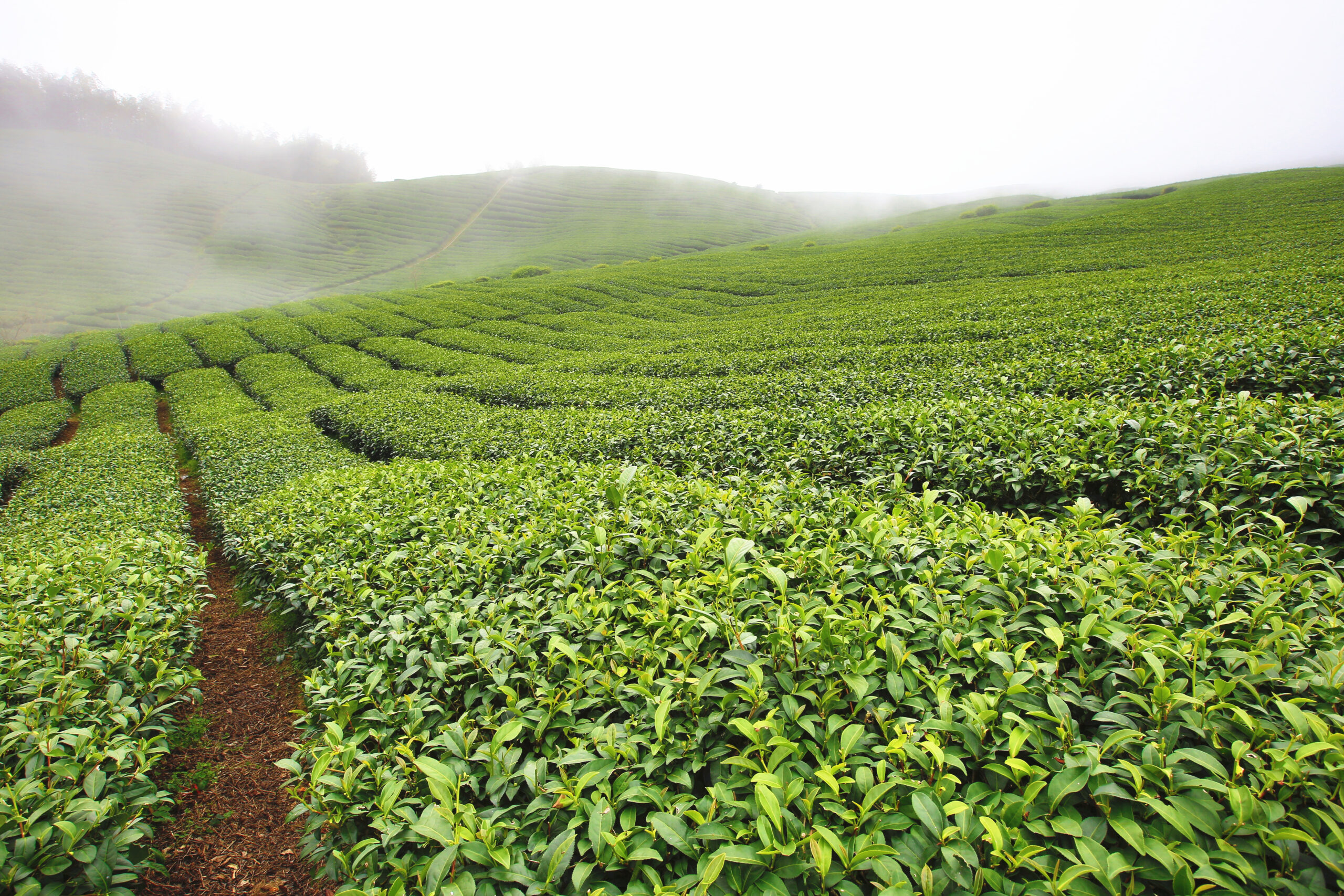
In the case of Taiwan's high mountain oolong, for example, "winter tea" is mostly October-December The harvest season.
As the weather turns cold and the sunshine is shortened, the growth of tea trees slows down, the new shoots are short, the pitch is short, the leaves are firm, the yield is less, but the content is more concentrated.
Simply look:
Spring Tea:It grows quickly and in large quantities, and its temperament is bright and fresh.
Winter Tea:It grows slowly and solidly, with a restrained, full-bodied flavor.
At Three Drinks, we think of winter tea as a year-end piece - the
I am not trying to "make a splash", but I am responsible for collecting the wind, fog, and temperature difference between day and night that have accumulated on the mountain this year into the leaves.
The four key words of winter tea: fragrant, sweet, thick and flavorful.
We are accustomed to remember the characteristics of winter tea in four words:Aroma, sweetness, thickness, rhyme。
香Winter tea has a quiet aroma that doesn't hit you in the face as soon as you open the pot. It often has a light floral and fruity aroma, and sometimes it has a cold mineral feeling like the cold air of the valley, which is clean and not frenzied.
甜The bitterness of the wine is low, with a soft sweetness in the mouth rather than a punch of bitterness. After swallowing, sweetness slowly emerges from the base of the tongue and throat, like the sweetness of mountain spring water, not sticky or greasy.
厚Winter Tea: The leaves of Winter Tea are thick, and the tea broth has a sense of presence in the mouth, not just slipping through, but gently spreading out, allowing the aroma and flavor to unfold in layers.
韻After drinking the tea, it is slightly cool in the throat, and the mouth is gradually filled with fluid, like a small spring opening up in the throat, which is exactly the reason why many tea lovers are fascinated by winter tea.
These four words echo what Three Drinks is trying to do: let a cup of tea, from the aroma at the beginning to the flavor at the end, leave a little bit of room for you to savor it.
Why does winter tea taste especially "stable"?
The character of winter tea comes from several key conditions.
climateIn winter, the temperature is low and the temperature difference between day and night is big, so the tea tree is not so aggressive during the day, and at night, it is like "slowly storing nutrients", so that the aroma substance and soluble ingredients are accumulated more solidly.
Slow growth rateThe new shoots are short and the leaves are small, so they don't seem to be "lush", but in fact, they lock the essence into the leaves little by little, which is a small amount, but it's very precise.
Few pests and diseasesInsect activity is reduced during the winter months and the pressure on the tea gardens is relatively low. With proper management, the tea leaves can be kept in a cleaner state and the flavors are purer.
The last one is the most important thing for Three Drinks Church:人。
The moisture content and elasticity of the winter tea leaves will change with the weather, harvesting time and the condition of the tea plantation at that time. Each batch has to be re-observed to adjust the rhythm of withering, stirring, fermentation, killing, kneading and drying. To make the aroma, sweetness, thickness, and flavor of winter tea appear steadily in the cup, it is not a fixed formula, but rather the tea maker's sensitivity to the state of the tea leaves and the sense of touch accumulated over the years. For us, following the natural conditions of the moment and letting a season of winter tea grow in its own way is the most fascinating part of it.
How to brew winter tea with its aroma, sweetness, thickness and flavor?
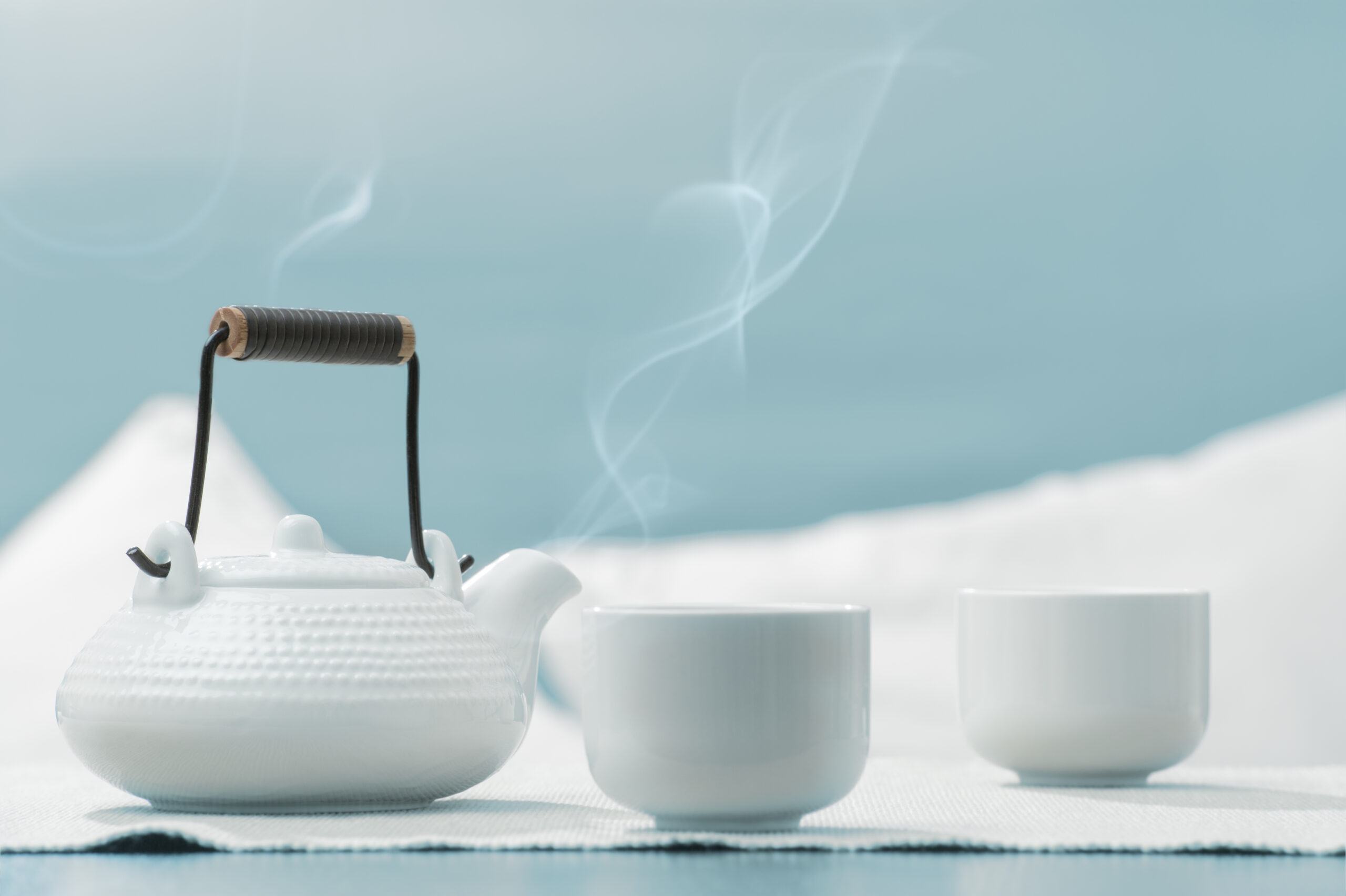
To put the winter tea of Aroma, sweetness, thickness, rhyme Bring out one layer at a time. At Three Drinks, we are accustomed to brewing ball or hemisphere shaped Oolong tea using the 100°C boiling water now。
Sufficiently warm water can first awaken the floral and fruity flavors in the tea leaves, so that the "aroma" can emerge clearly in the first part of the tea broth.
Before brewing, warm the cups and pots with boiling water, so that the tea vessel can wake up with the temperature of the tea leaves.
After filling the pot with water, the first one or two steeps should be slightly shorter so that the tea broth is refreshing,sweetness The texture of the tea brings out the soft "sweetness" of the winter tea first.
Then, with each brew, the steeping time is slightly extended according to the current taste and your favorite strength, so that the tea soup has a more obvious presence on the tongue, creating a soft but weighty "thickness".
If you feel that the flavor is too strong at the beginning of a brew, just shorten the steeping time a bit to bring the rhythm of the tea back to a comfortable position.
Finally, focus your attention between your throat and nostrils, and feel the slightly cool, sweet, and slowly spreading aftertaste in your mouth - that's the "rhyme" left behind by winter tea.
We highly recommend keeping each sip of tea to yourself for just ten seconds:
prescient 香Repeat. 甜Feel the Tea Soup 厚Finally, he turned his attention to the slowly emerging thread of 韻。
Let the 100°C hot water help the tea leaves finish their story, and let this pot of winter tea leave a steady and sweet echo in your daily life.

ConclusionWinter tea is a season and a state of mind of Sanyuetang.
For Three Drinks Church, Spring Tea is like an opening and Winter Tea is like a conclusion. The Spring Tea reminds us that the world is still growing; the Winter Tea reminds us that we can harvest well, and we should precipitate well.
At a certain age, people may have this experience: a little less sharp, a little more stable; a little less complaining, a little more sweetness. Winter tea is not to make you yell "delicious", but to make you feel your heart quieting down with each sip.
If one day you walk into Three Drinks and ask us, "How was the winter tea this year?"
We'd probably smile back at you and say, "No rush, sit down and make a pot of--
"Drink first from nature, then from your mind, and finally from your own life."-- Three Drinks Hall