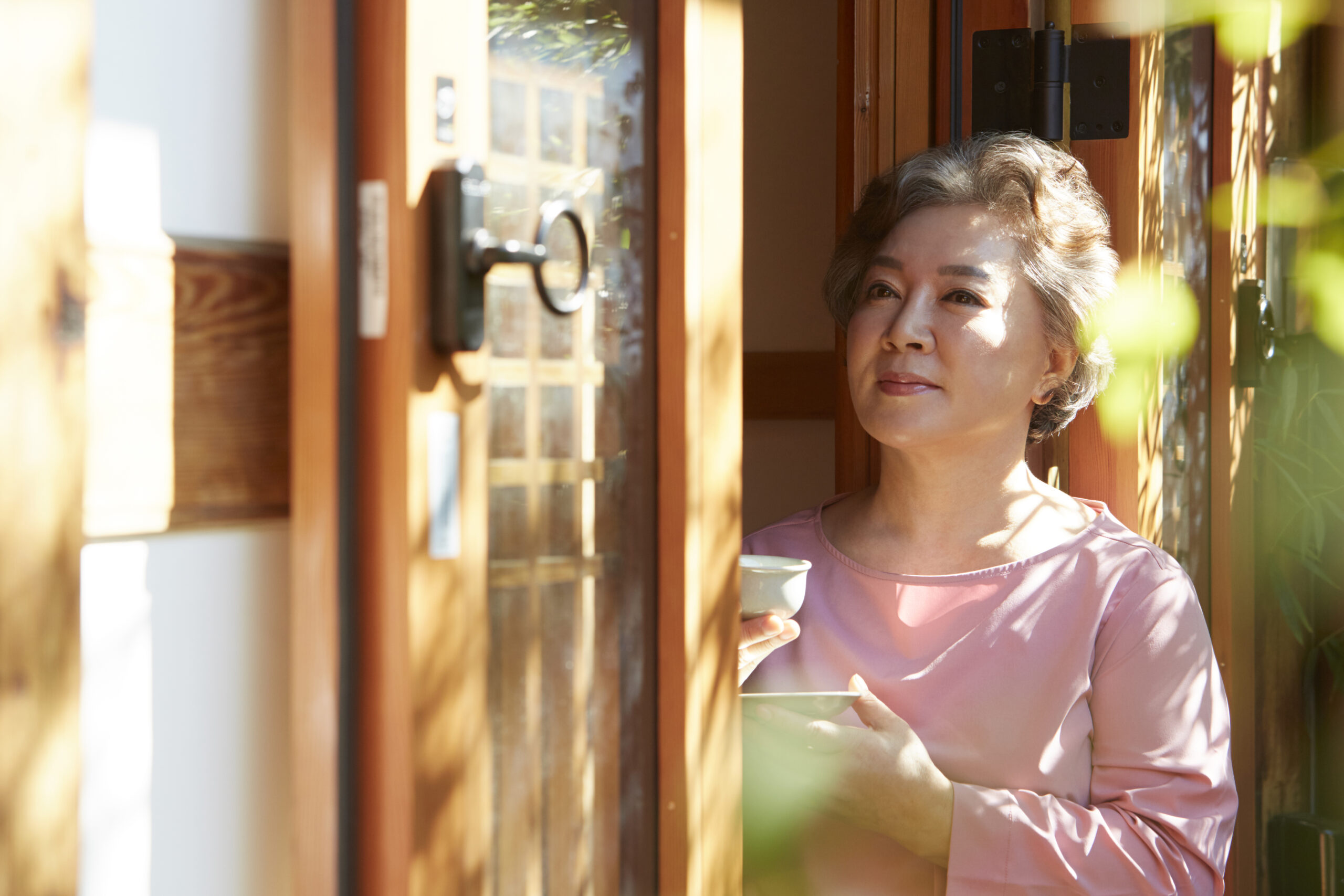

The tea gardens are always particularly quiet after the winter tea harvest is over.
The tea trees are starting to go dormant, the leaves are no longer so green, and there is less noise in the air from the tea plucking.
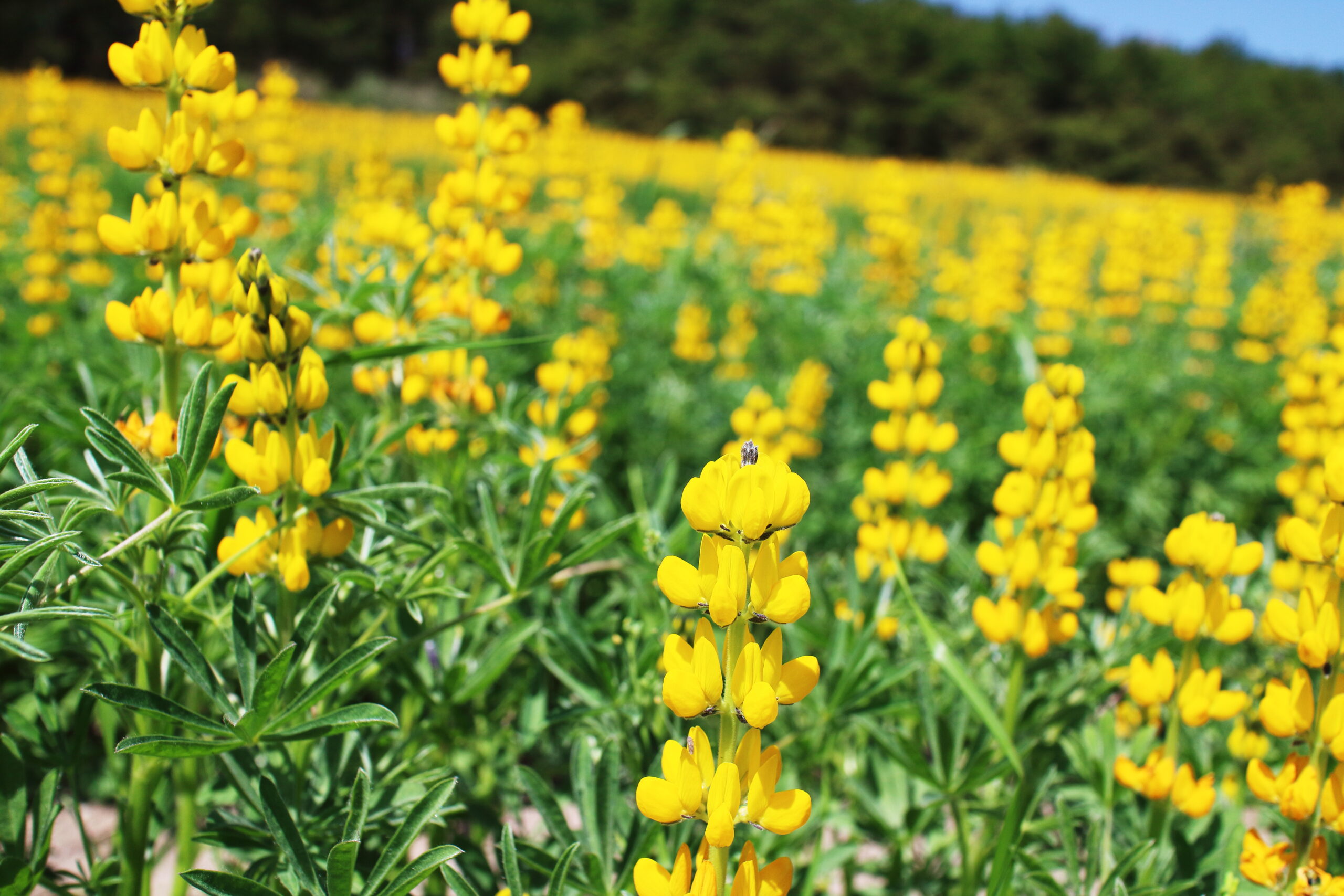
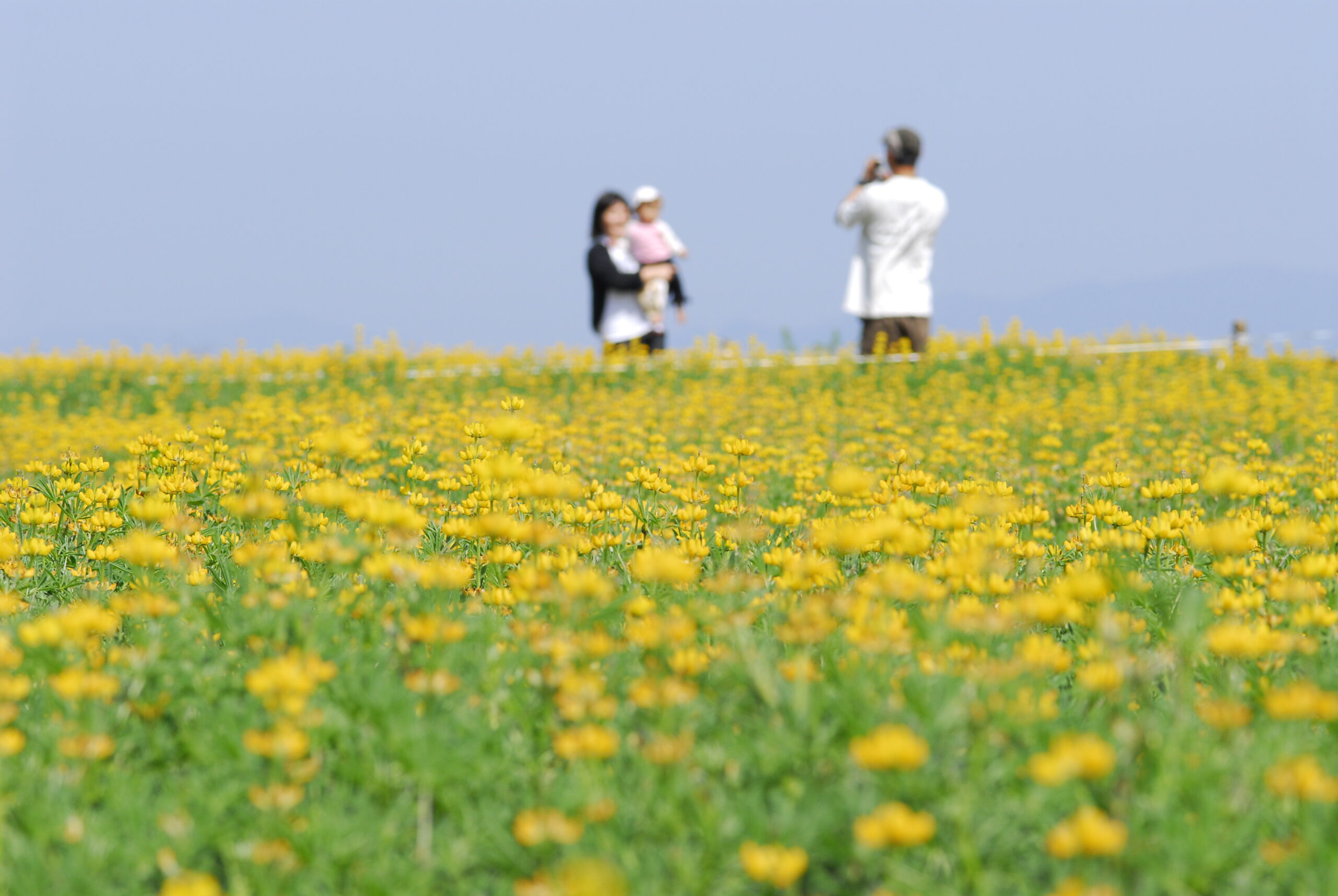
But if you get a little closer, you'll realize that this hillside hides a quietly blooming flower event.
That's a "Ru Bing Flower".
Small yellow flowers bloom gently but in clusters, like a patch of sunlight falling on the land.
It is not planted for ornamental purposes, but for tea trees.

Lupin: Guardian in the Tea Garden
Lupin, also known as lupine, is native to the Mediterranean Sea in Europe and is a "green fertilizer crop" in tea gardens.
The cool weather required for flowering has been replaced by cheaper, less labor-intensive chemical fertilizers.
In recent years, as the tea reform farms began to implement the trend of sustainable agriculture and friendly farming in tea gardens, the green fertilizer Rupestris, which has no harmful effects, has come into the tea gardens again and jumped into people's eyes.
Tea farmers sow their seeds between late November and early December each year.
While the tea tree is resting, let it take root and blossom.
This plant has a particularly deep root system and produces"Nitrogen fixation benefits"。
According to a study conducted by the Tea Reformatory, tea trees are"High Nitrogen Demanding Crops"。
Rudbeckia features a root symbiosis of Rhizobium, which converts free nitrogen in the air into a supply of nitrogen nutrients in the soil and secretes acidic substances such as citric acid and other elements to increase the efficiency of phosphorus in the soil to be utilized by the plant, which reduces the amount of fertilizers used and wasteful loss.
To make the land more flexible and vibrant.
When the flowers bloom and wither on the mountain, the tea farmers will turn them into the mud to become a source of nutrients for the tea trees in the coming year.
In the days when there was no chemical fertilizer, Lupin was the most important "natural fertilizer".
It works silently, without competition, just to make the land better and the tea more fragrant.
That's why the old generation of tea farmers love it so much.
In a nutshell:"When the rupees are gone, the tea will be sweeter next year."
From tea plantation to movie, the flower blooms into the heart of the people
In 1989, Yang Li-guo directed and Wu Nianzhen wrote the screenplay for the adaptation of the novel "Lubinghua" by Chung Shaozheng, a great Taiwanese literary figure.
That year, many people walked into the theater and cried their eyes out.
The story is about Gu A-Ming, the child of a tea farmer.
He came from a poor family, but he had a talent for painting.
He painted the tea plantations in the mountains, the sky in the village, and his mother's smile.
It's just that fate didn't want to give him any more time.
He left before the world could see his talent.
His sister, Guamei, sang that song with tears in her eyes--
"The stars in the sky don't talk.The doll on the floor wants mommy. The eyes in the sky blink and blink."Mom's heart, Ruby."
The audience cried along with me.
It's because in those days, many families were like Koo Ah Ming.
Living on the tea plantations, the children followed the adults to the mountains and the fields.
Though life is hard, there is love, dreams, and a resilience that refuses to give up.
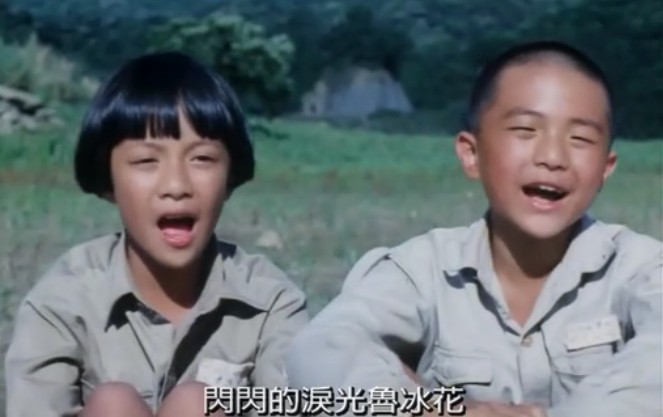
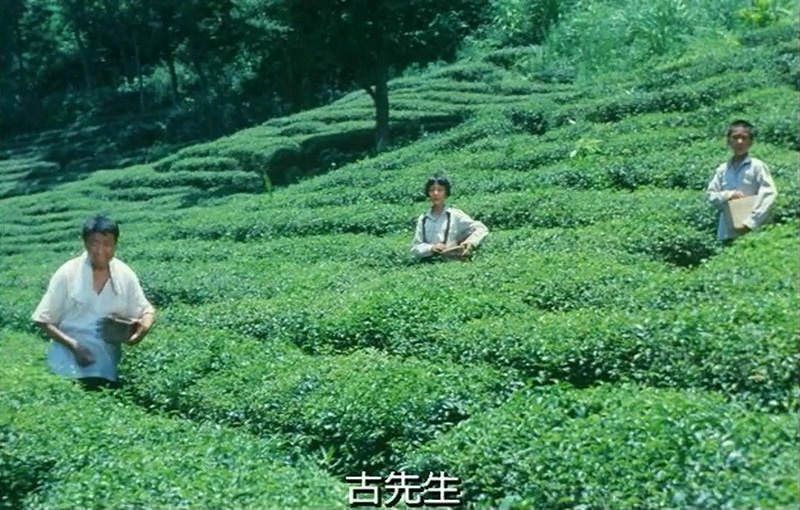
Source: From the stills of the movie "Lubinghua".
The Season of Rudbeckia
Every year from January to February, the Rudbeckia is in full bloom.
It was cold and foggy in the mountains.
But the flowers are still blooming.
It is like a golden blanket for the winter tea garden.
Some old tea farmers would say, "The land is smiling when the Rubin flowers bloom."
They know that it means the land is breathing and regaining its strength.
The kids love this time of year, too.
It was close to the spring festival.
Adults are busy preparing for Chinese New Year, while children are running and picking flowers in the tea plantation.
Tie a wreath around your head with your hands.
The sun shines down, the mountain wind blows gently.
It was like a scene from a movie.
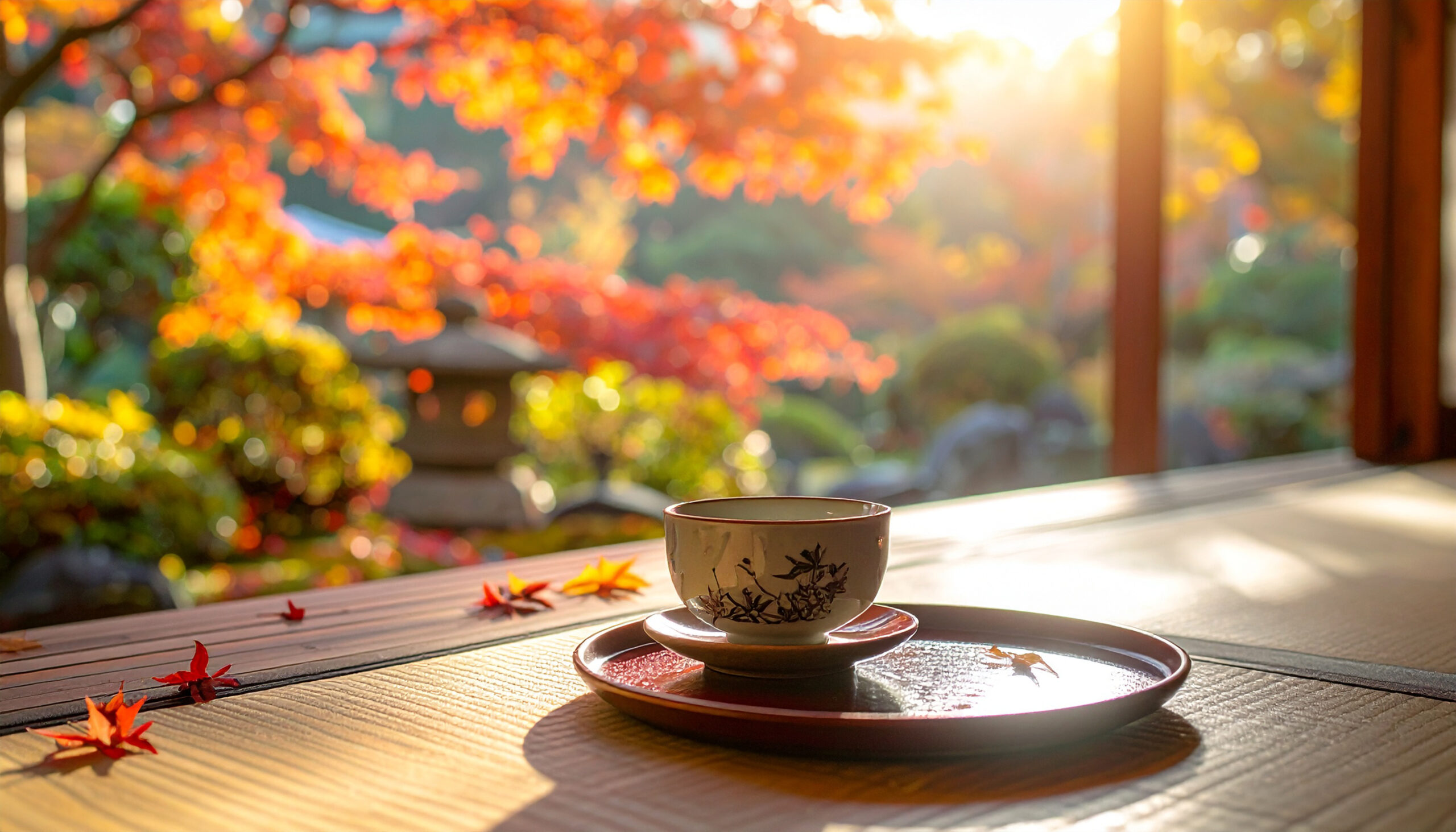
In a cup of tea, there is also the circulation and giving of Lubinhua.
We often say that a good cup of tea should have sweetness and mountain flavor.
But it's not just the terroir and the craftsmanship that really make tea warm.
And the Rubus, which blooms quietly every winter and eventually returns to the soil, has left its own flavor in the mix.
Rubin flowers don't live long.
From germination and flowering to wilting and blending into the soil, it's only a matter of months.
But in the meantime.
It gives all its power to the land.
The deep-rooted system fixes nitrogen and loosens the soil, allowing the tea tree to breathe and absorb water and minerals more freely.
When the sea of flowers recedes and the leaves are tipped into the mud, those accumulated nutrients will reawaken the tea garden in the spring.
So that sweet cup of tea in your hand.
It is not only the year-round efforts of the tea tree, but also the gentle gift of the Rubus flower.
It has no name, it has no figure, and it will not be mentioned in particular.
But it makes the tea sweeter, the mountains more alive, and the land can continue the next cycle.
When you're drinking tea.
Maybe it's not the flavor of the flower itself that we taste, but the strength it leaves in the earth.
A quiet giving, a cycle of silent completion.
This power is in the tea, very light, very warm, and very true.
Conclusion|Think of the song and the flowers.
"The stars in the sky don't talk, and the babies on earth miss their moms."
When the lyrics of this song play, many people will silently think of the times they have gone through.
The season of blossoming flowers, the wind in the tea plantation, and the moments in my life that I may not be able to return to.
When I grew up, I realized that some scenes can only be left in my heart;
But because it stays in the heart, it becomes a quieting force when we need it.
Like tea, you don't know where the sweetness comes from until you boil it.
There are certain flavors that only become clear after time has sunk in.
Drink Nature, Drink Mind, Drink Life.
May you feel the power of that golden color in your next cup of tea.
"The golden color of the roses will pass, but the warmth of the tea will always be there."