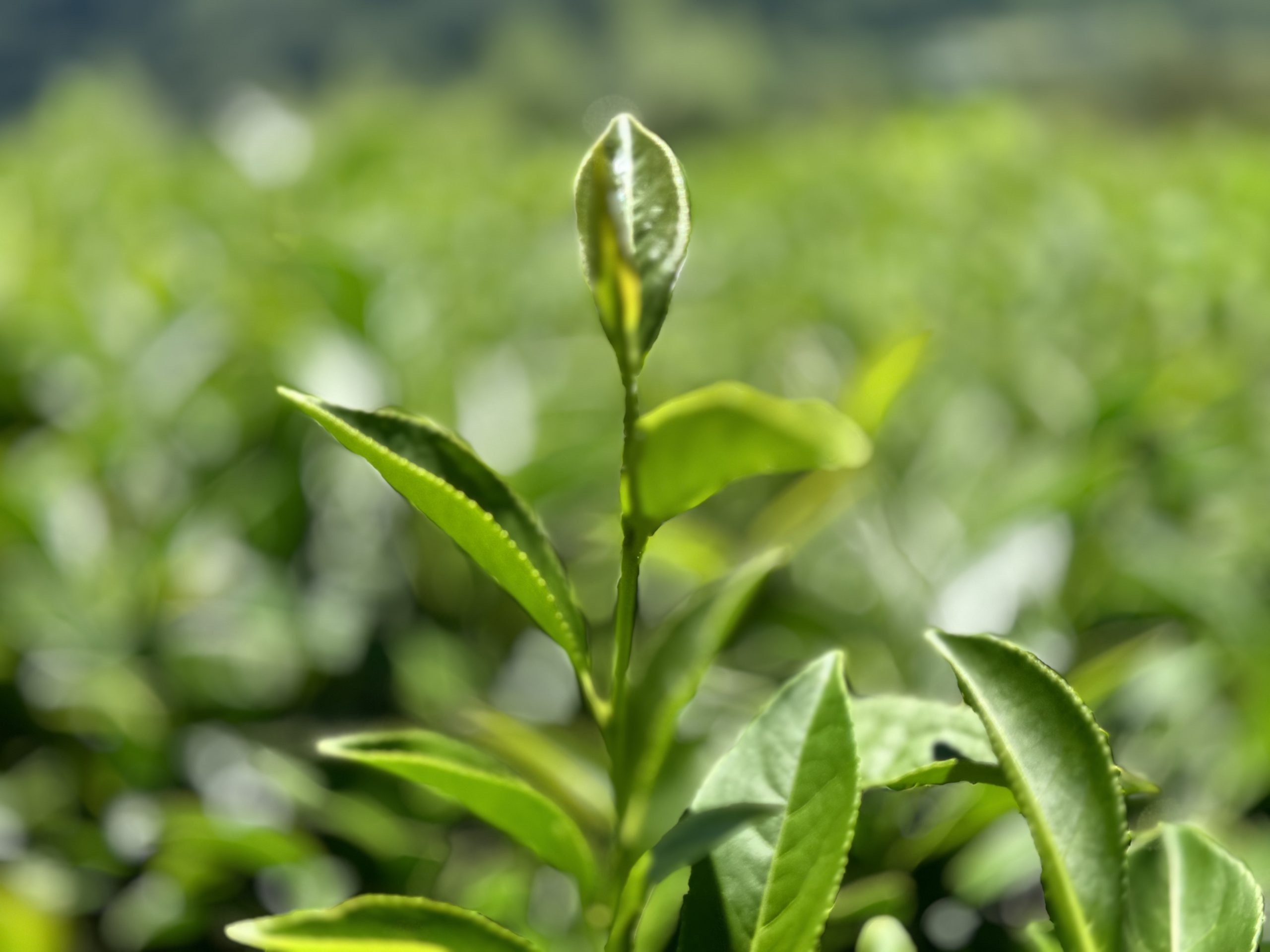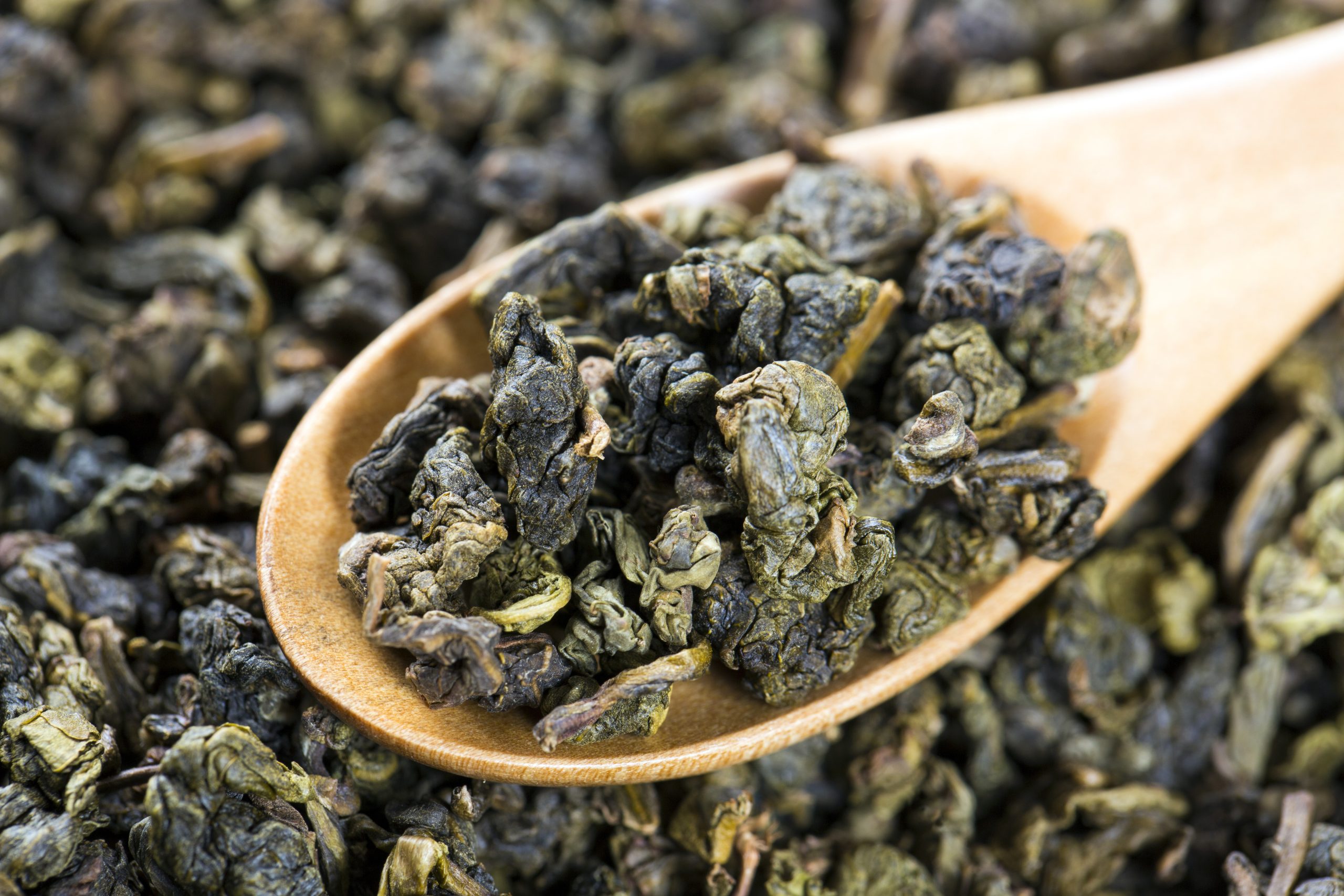

When you take a sip of Taiwan High Mountain Tea, have you ever wondered? Why does this sweet mountain, floral and fruity flavor linger in your throat for so long?
This is not a coincidence, but a miracle of flavor that nature has carved out over the years in the valleys above 1,000 meters above sea level with clouds, temperature differences and mineral soil.
Hidden Tea Under the Clouds
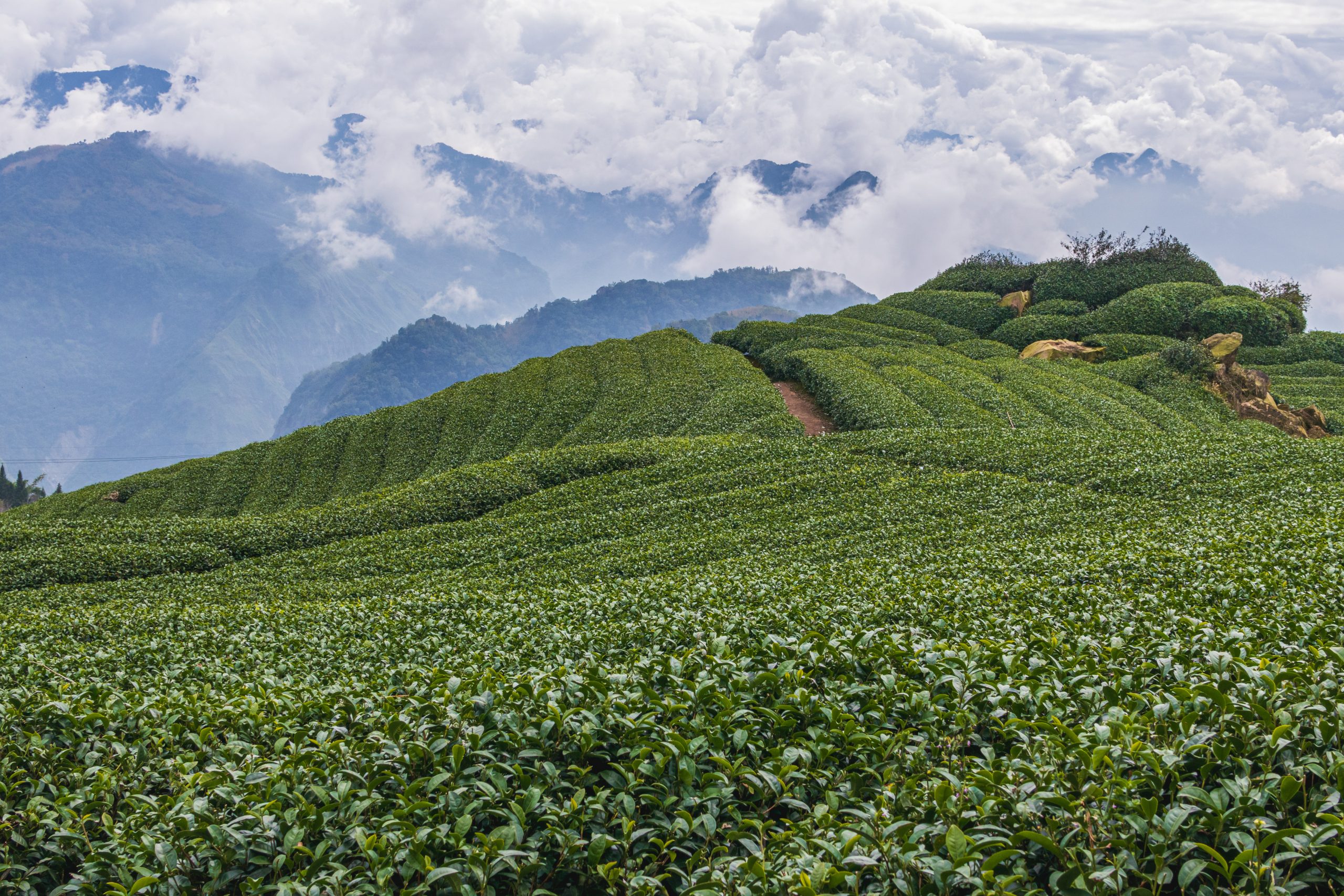
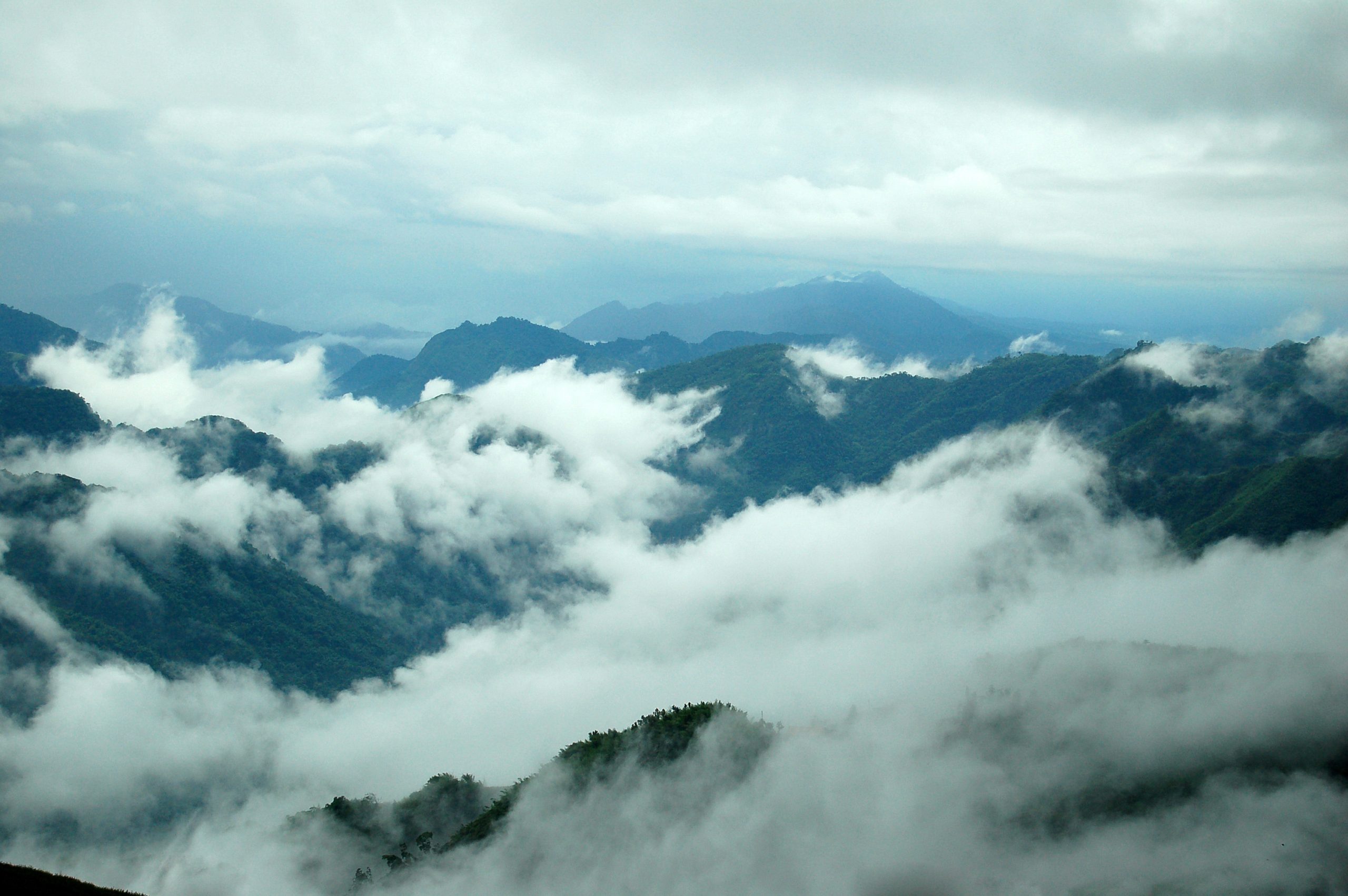
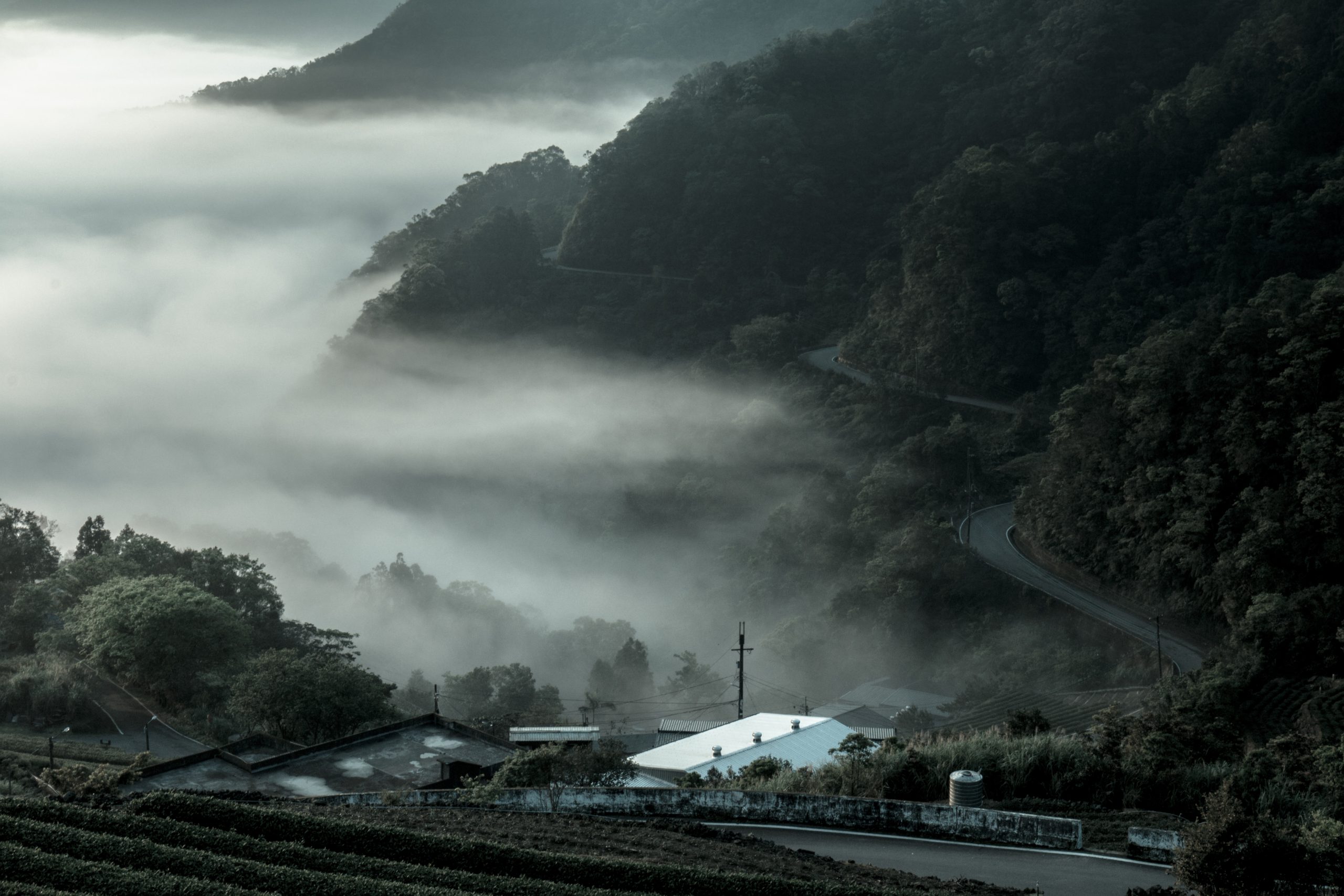
Many of Taiwan's high mountain tea regions, such as the Great Alishan, Lishan, Fushoushan, and Dayuling Tea Regions, are surrounded by clouds almost year-round.
This "fog" is the starting point of the softening of the tea leaves.
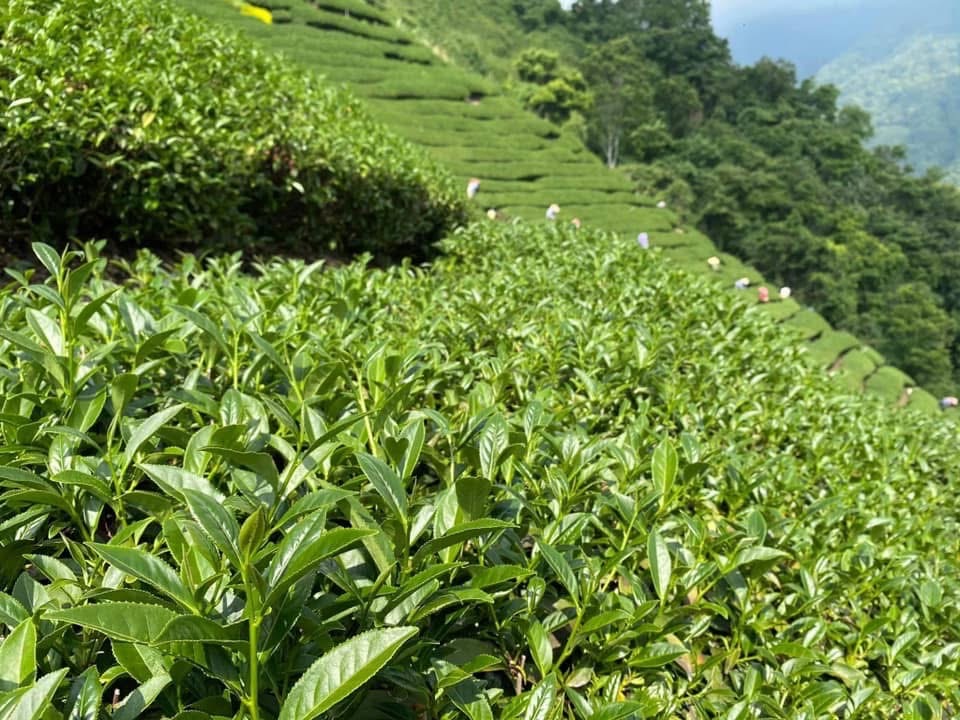
Cloud mist reduces direct sunlight, slowing down the photosynthesis rate of the tea leaves and oxidizing the polyphenols in the leaves, thus naturally reducing the bitterness and astringency.
At the same time, the water in the clouds condenses into tiny dewdrops that cover the young leaves, allowing the tea tree to be hydrated and moisturized.
Even better, the metal ions and mineral particles in the fog water replenish the tea trees with nutrients, as if God himself had fertilized the tea gardens.
Tea farmers often say, "Clouds are the quilt of tea."
When the quilt is thickly covered, the tea will be warm in nature.
This is also why the aroma of high mountain tea is not an ostentatious floral scent, but a soft, restrained, forested "cold mineral aroma". It is an aroma that grows out of the mist, like an orchid in the mountains, quietly blossoming, silent but touching.
Time Carving of the Day/Night Temperature Difference
During the day, sunlight allows the tea leaves to absorb more nutrients and synthesize sugars and amino acids;
At night, the temperature drops and the low temperature slows down the metabolism of the tea leaves, locking the sweetness inside the leaves.
The greater the temperature difference between day and night, the more pronounced the layers of the tea will be.
This environment reduces the bitterness of catechins and balances the nutrients. Bitterness, sweetness and aroma blend with each other, resulting in a clear aroma and a smooth, sweet taste.
Tea leaves have thicker flesh and increased pectin content, resulting in a full-bodied, smooth tea with a long aftertaste.
Try to imagine:
In the daytime, the mountain is covered with clouds and mist, and at night, the stars are dotted with light, the temperature drops, and the breeze brushes through the tea plantation.
Every breath of the tea tree is a rhythm carved by time.
In such a rhythm, high mountain teas develop a unique "mountain flavor" - that unforgettable, long-lasting aftertaste.
The Roots of Flavor in Mineral Land
In addition to climate, soil is the real "bloodline" of high mountain tea.
The soils of Taiwan's high mountains are mostly sandy loam and gravelly loam, and sandy loam is mostly found in the central mountains of Nantou, Chiayi, Kaohsiung, and the Alishan tea region. Gravelly loam is found in the Lishan tea region and the Fushou Mountain area.
Both are characterized by high porosity, good aeration, water permeability without water accumulation, and stable water retention. The soil is slightly acidic with a pH value between 4.5 and 5.5, which is the most ideal growing condition for tea trees.
These soils are rich in trace elements such as iron, magnesium, potassium and silicon.
It gives the tea a "cold and sweet" texture, like the coolness of a mountain spring flowing over a rock wall.
Fushushan's tea has high cold apple sweetness;
Dayuling tea has a cold mineral aroma;
The tea from Longfeng Gorge in Sulinxi is famous for its "Misty Golden Soup", which is golden in color and has a hidden orchid fragrance.
The same variety of Greenheart Oolong varies from mountain to mountain, and these differences are the language of the land--
A sip of tea is the gentle murmur of a mountain to us.
The Tea Man's Perspective on "Terroir
The French call it terroir(Fengtu), and Taiwan tea people, more like to say "mountain head qi".
For them, terroir is not just an environment, but also a "time for people to live with the mountains".
Altitude, clouds and soil determine the bones of the tea;
The human hand, the temperature of the fire, and the concentration of the heart give it its soul.
In Fushushan, tea pickers rush up the mountain in pursuit of the "best moment".
At Cedar Creek, the master stayed up all night waiting for the aroma of "Longjing" to pass by.
Each leaf is co-molded by man and nature, recording temperature, humidity, time and state of mind. This "terroir" is not only geography, but also a tacit understanding between tea lovers and the mountains.
The reason why tea is so moving is that the tacit understanding is alive and breathing.
Conclusion|From Flavor to State of Mind
Three Drinks Hall believes:
Tea is not just a gift of nature, it is a mirror of the state of mind.
When you make a pot of tea in the misty mountains, listen to the sound of boiling water and watch the tea leaves unfold.
At that moment, you are synchronized with the rhythm of the land.
Drinking nature is the breath of returning to the mountains;
Drinking mindfulness is the quietness of a single thought;
To drink life is to know how to talk to oneself in the aroma of tea.
The end of flavor is often not the tip of the tongue, but the heart.
This is the most attractive thing about Taiwan's high mountain tea - the
One sip in the throat and everything is quiet.