Before we talk about tea, I'd like to talk about "relief from boredom" in a way that's closer to how we feel.
Often what you want is not for the grease to be "gone" but for your mouth to be clean so that the next bite will still taste good.
I: The oily sense of the body: the oil sense is one step back, and the taste will come back.
You're feeling "greasy!"
Mostly, the mouth is covered with an oily film: slippery, sticky, thick, and even the aroma is dulled.
And what you find 'unsettling' is often the result of small changes layered on top of each other:
The oily film sensation is broken, saliva returns, swallowing becomes smoother, and the taste becomes clear again.
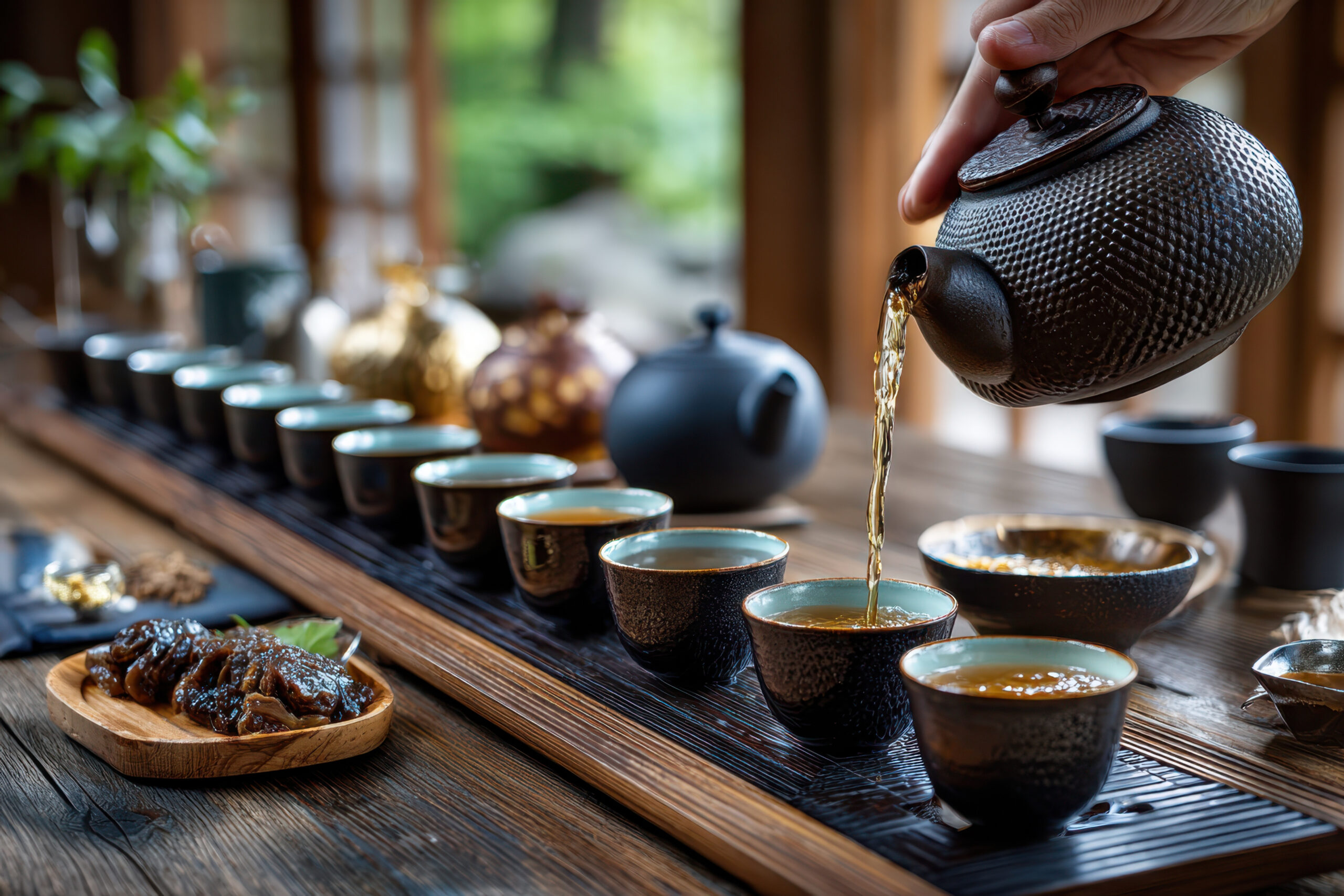
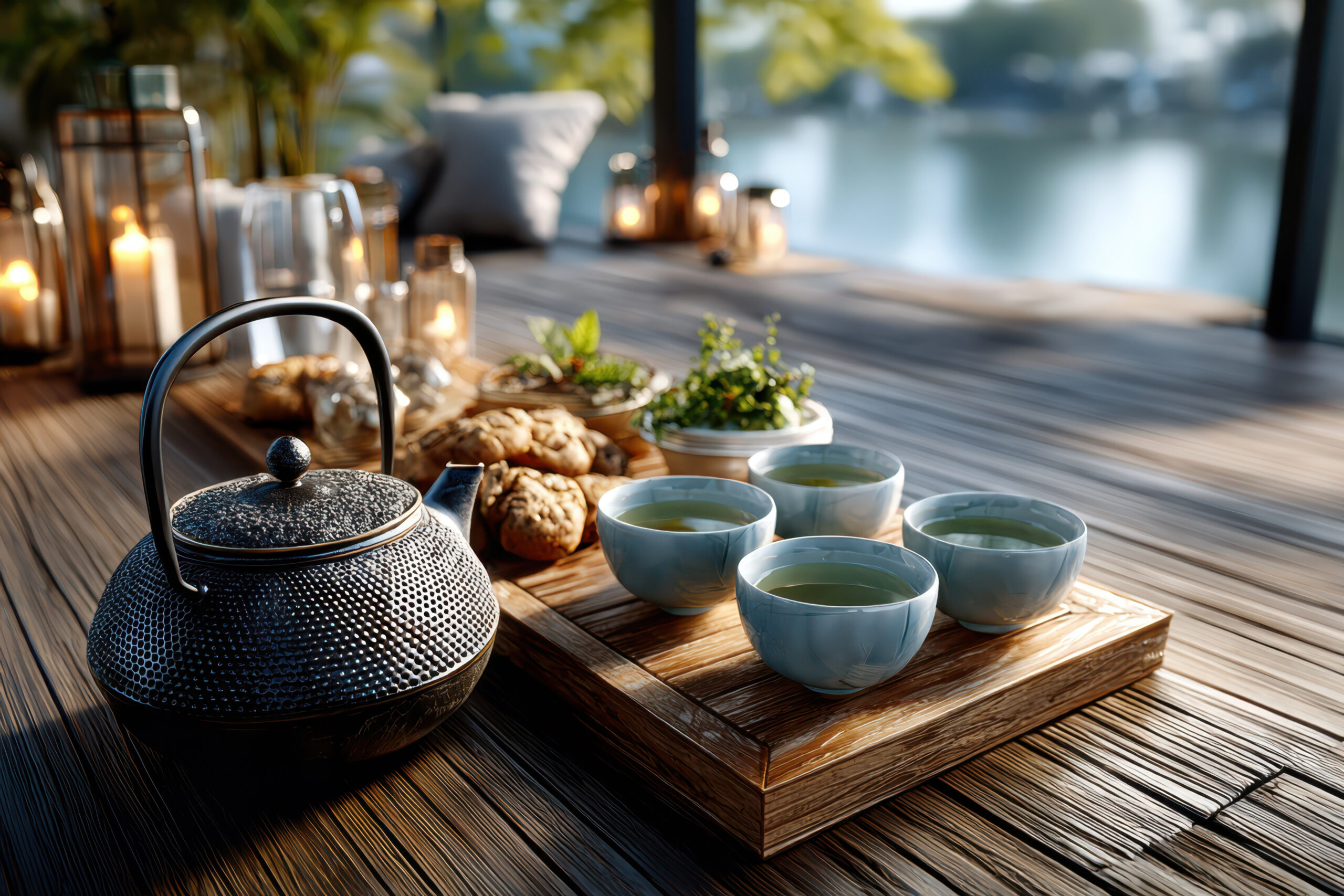
That's why hot tea is often more flavorful than cold beverages for the same big meal, because it does the "reset" directly at the mouth.
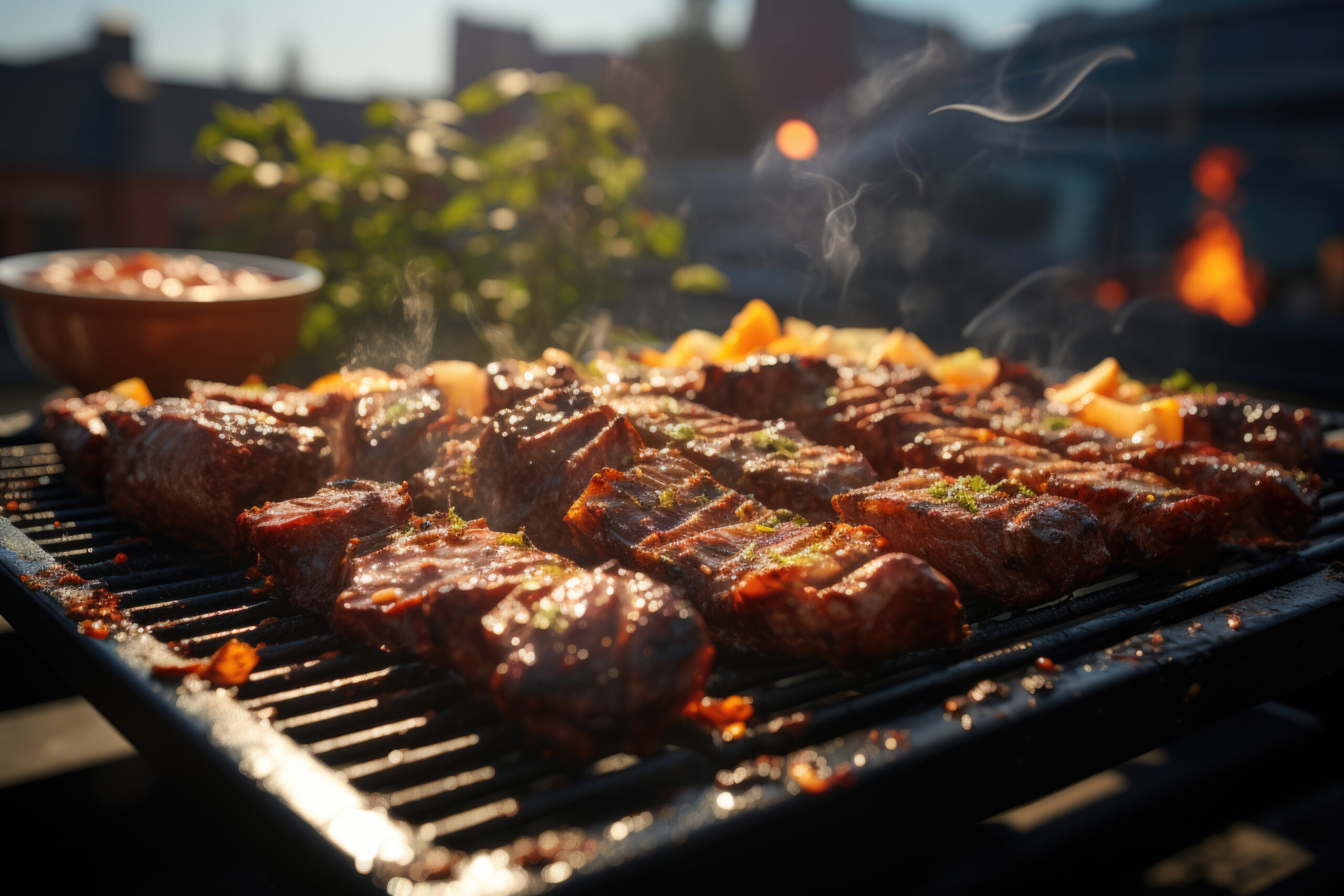
2|Why a sip of hot tea is particularly effective: the astringency of polyphenols + temperature + aroma refocuses the palate.
What greasy dishes fear most is "thick": thick oil, thick sauce, thick soup.
The National Library of Medicine's (NLM) Proceedings of the National Library of Medicine (PMC) reported in 2020 that the polyphenols/tannins in tea interact with salivary proteins and the salivary membranes that line the surface of the mouth.
This affects the lubricity of your mouth, leaving you feeling a little "astringent and dry" and the oily film feeling recedes more easily.
A study published in 2009 by Food Hydrocolloids, an academic journal, points out that if you add the reality of "temperature" to the equation: heat makes grease feel less sticky;
And the aromas (floral, ripe fruit, roasted) pull the attention back from the greasiness, when the freshness comes more quickly.
This is where the presence of hot tea can make a huge difference:
Temperature:Reduces stickiness and makes the mouth less "mushy".
Astringent sense:Thin out the greasiness and make your mouth clearer.
Fragrance:Provide a new leitmotif and you'll feel "back to clean and fresh" sooner.
Therefore, the way to relieve greasiness is not "the thicker the better".
It's so thick that it's bitter and scrapes the palate, but instead it's like adding another layer of excitement on top of the greasiness.
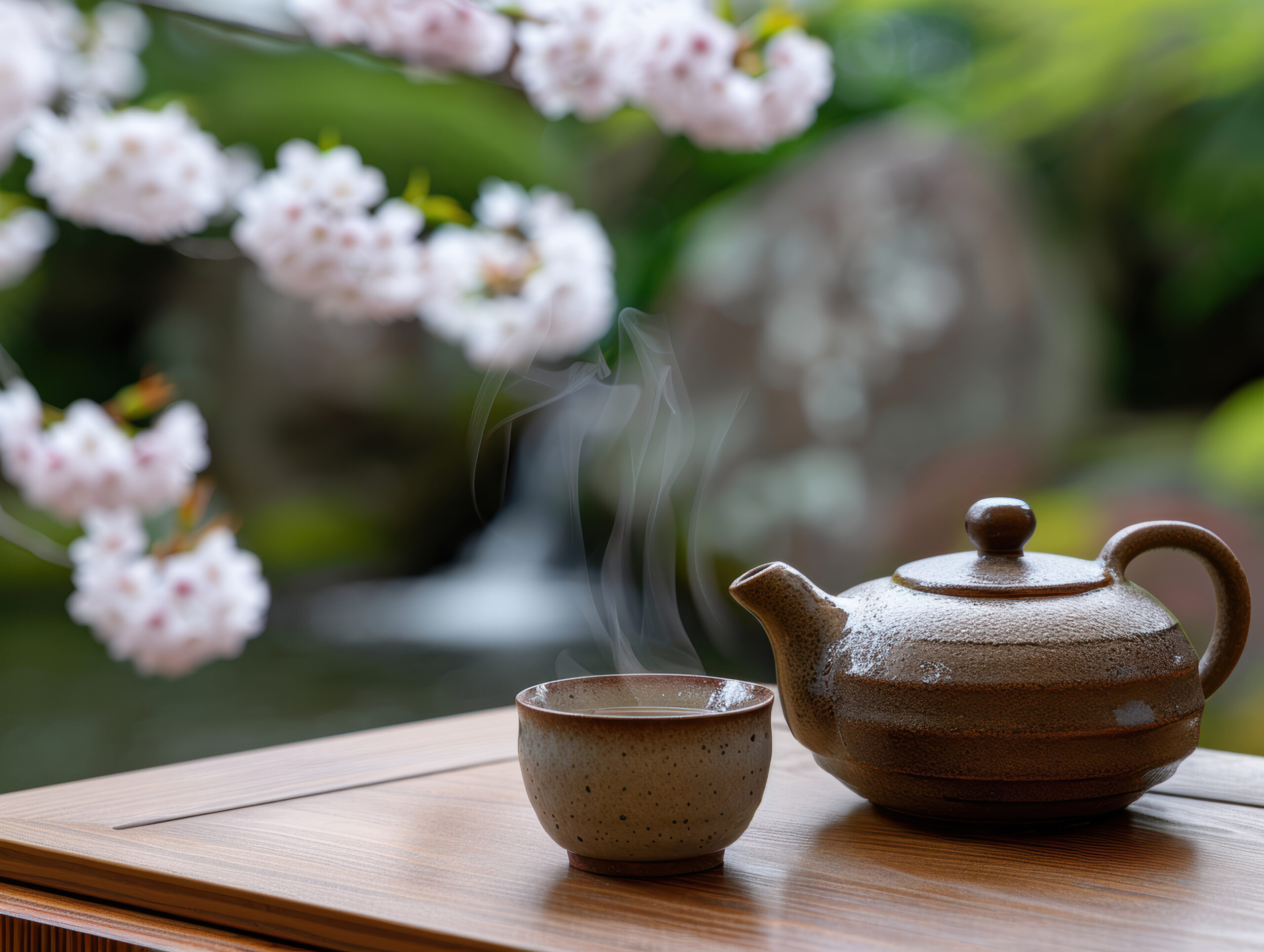
3|Post-meal body mass also has research clues: may affect fat digestion and postprandial triglycerides
If you're concerned about not only having a good time at dinner, but also "whether or not you'll feel a burden afterward," let's look at what the research has to say:
It has been observed that: A study published in Japan in 2009 stated that:"Polymerized polyphenols in oolong tea inhibit pancreatic lipase".Pancreatic lipase is a key digestive enzyme in the pancreas, and if the index is high, the pancreas may be inflamed, blocked or damaged.
In 2005, the English Journal of Nutrition published a human trial report: postprandial hyperlipidemia is the most important factor influencing the incidence of coronary heart disease.
Therefore, research was directed at evaluating the effect of catechins in tea on the postprandial lipid response of subjects, and the results of the study were found:Tea catechins may reduce the rise of triglycerides after meals。
Overall:
These results are more like "possible adjuncts", but they are by no means a passport to offsetting fats by having a few more sips of tea after a big meal.
IV. CONCLUSION|Precise matching: Not only fermentation, but also "refreshing reset" or "cooked aroma through oil".
I recommend this rhythm if you want to get a "steady feeling" of boredom:
Eat 2-3 mouthfuls of oleo → take 1 small sip of tea
Hold it for a moment to let the tea literally "graze" through your mouth before swallowing to give your mouth a balance.
The choice of tea is also crucial:
Roast pork, fried food, salt-crusted chicken:
- For a "fresh reset": selectClear Oolong茶It has a bright aroma and a clean broth.
- The oil aroma is particularly heavy: switch toLight to medium roastThe cooked aroma will be more "oil-piercing".
Heavy on marinades, baked goods, and sauces:
- 用medium heatthat amount or moreUdonMore in tune: the cuisine itself is ripe, burnt and saucy, and the darker roasts (nutty, roasted, woody) hold up and are more in tune with it.
Spicy hot pot, braised thick soup base:
- Tea with a clean taste and a thick but not bitter broth is more suitable. Heavily fermented teas are good choices, such as large-leaf black tea or small-leaf black tea, and heavily charcoal-roasted oolong tea.
Lastly, if you have a sensitive stomach or are afraid of not being able to sleep at night, don't drink strong tea on an empty stomach.
The real high level of greasiness is "eating well with the flavor of oil and still being awake for the next bite" - what tea does is to pull you back to that just right balance point.
"Tea is not about washing away the oil, it's about making you feel better" - Three Drinks Church