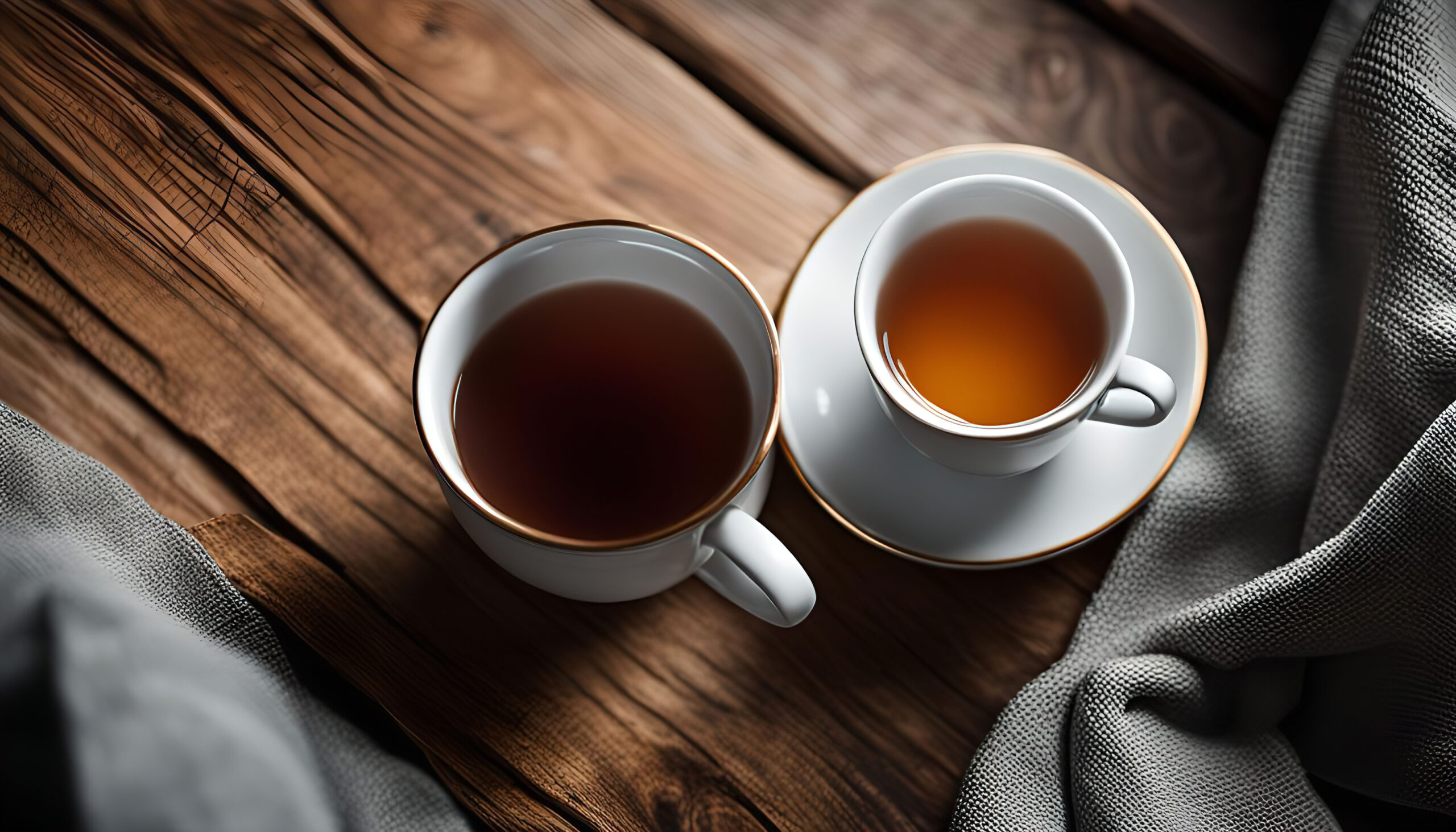

Have you ever encountered that the same bag of tea at home is less fragrant and the color of the soup is not bright enough?
One of my most frequent reminders at Three Drinks Church is:Don't be so quick to blame the tea. Look at the water first.
For the same tea, changing the water is like changing the character.
Three Drinks uses research data to show you how water hardness (CaCO₃ mg/L) affects tea film, aroma brightness and catechin (EGCG) content.
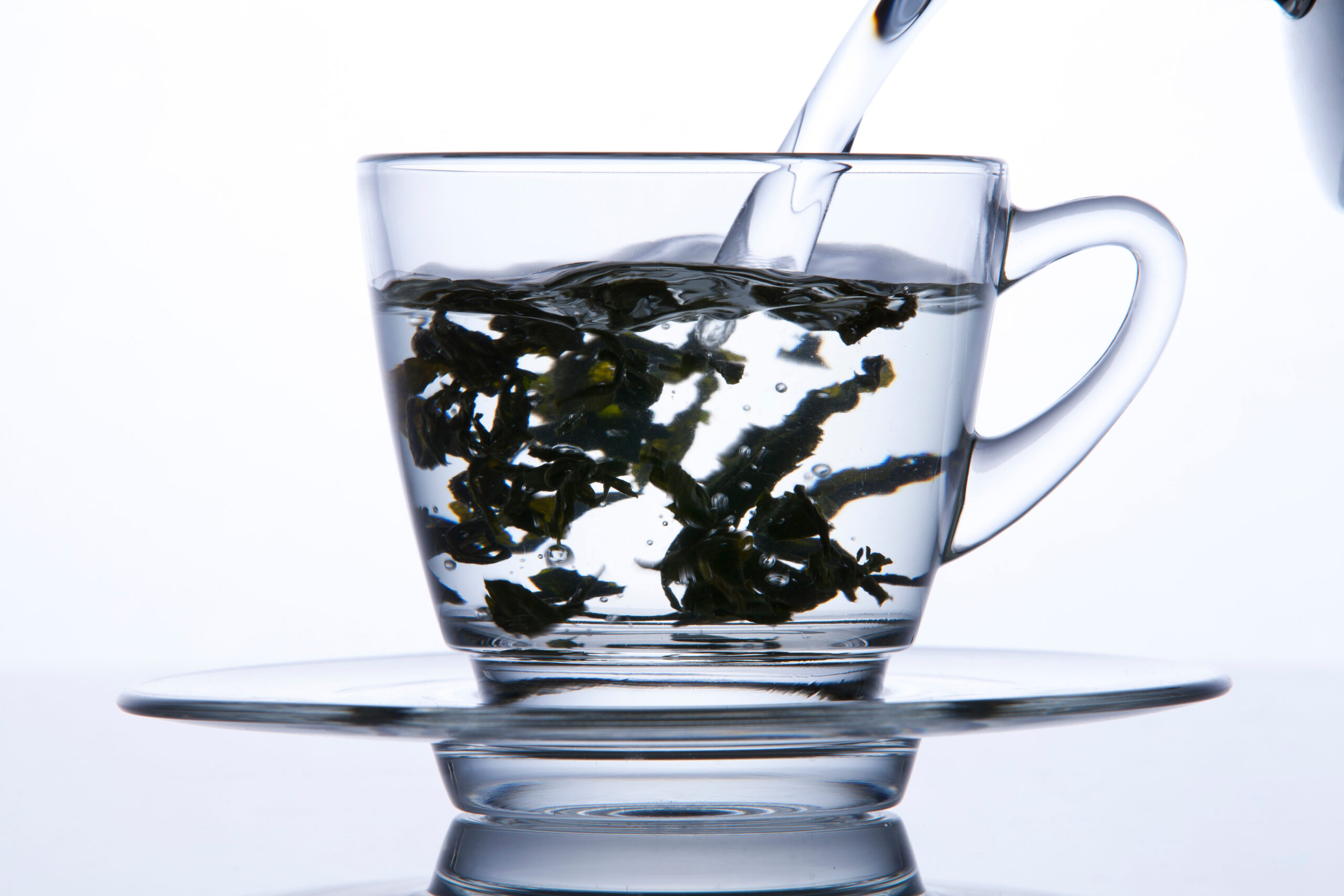
First, the definition of "soft and hard water": not the description of taste, but the hardness figures.
The hardness of the water should be remembered for one thing: it isHard and soft water isn't a feeling. It's calcium and magnesium.underwaterQuantitative results of content。
The World Health Organization (WHO) and the U.S. Environmental Protection Agency (EPA) have established classification guidelines based on Ca CO₃ (calcium carbonate) equivalents:
soft water : 0-60mg/L
Slightly hard/medium soft water: 61-120mg/L
硬Water:121-180mg/L
Extremely hard water :>180mg/L
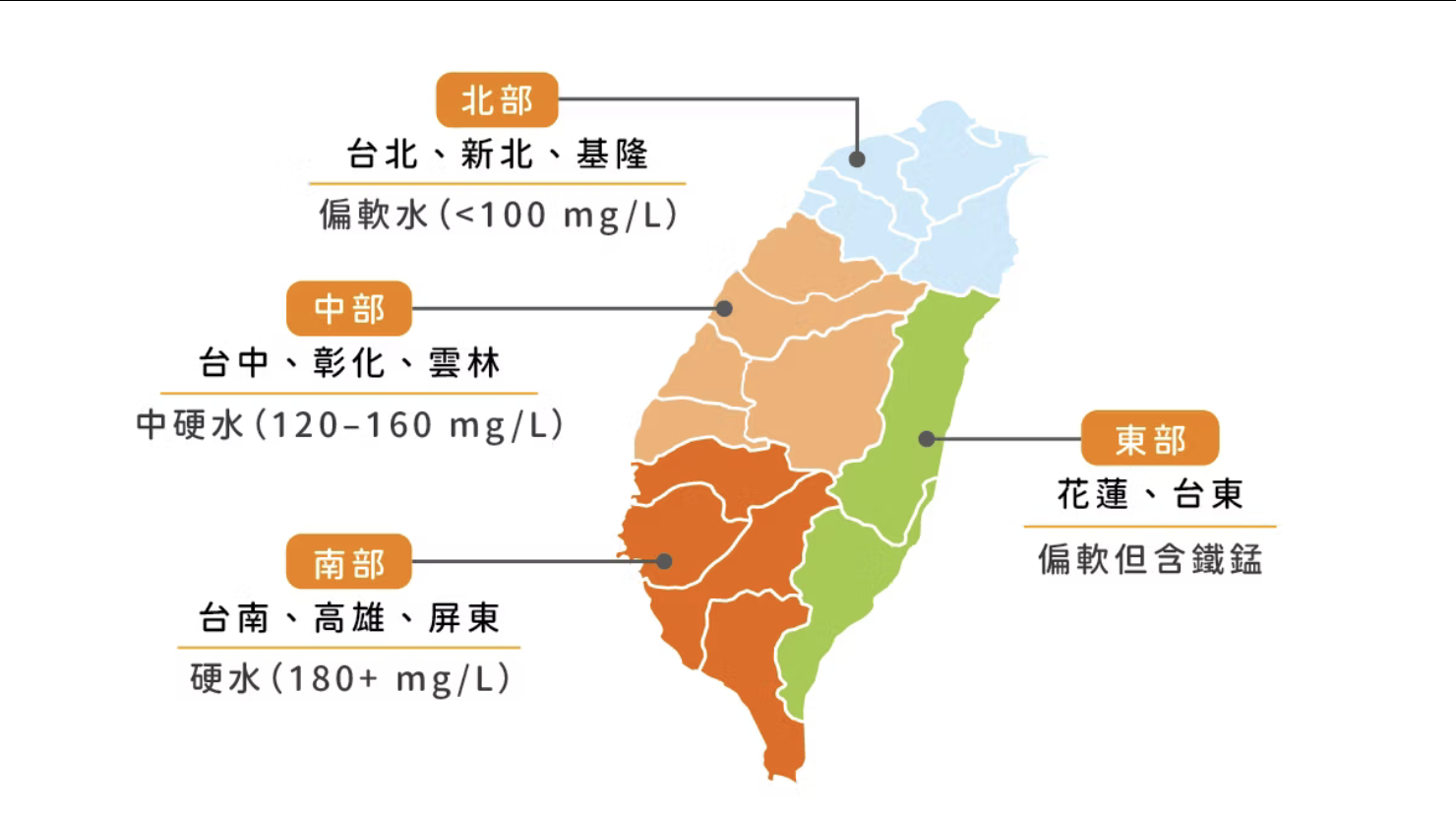
In Taiwan, for example, the hardness of water varies from place to place, with the northern part of the country being softer and the central and southern parts of the country being harder due to the longer period of time that the groundwater has been in contact with the mineral layer.
One thing that is reassuring is thatAccording to WHO, "There is no convincing evidence that water softness causes adverse health effects in humans."
But for making tea, this些「Mineral IonsElement"It will affect the dissolution and reaction of polyphenols and aroma substances in the tea broth. The biochemical reactions are produced.
Often, the same kind of tea, in the hands of each person, may appear to be"Same tea, different water."的Difference.
Therefore.Knowing where the hardness of your tea falls in the first place is like making a correction for the tea, so that you will not be talking about different things when you talk about the taste later on.
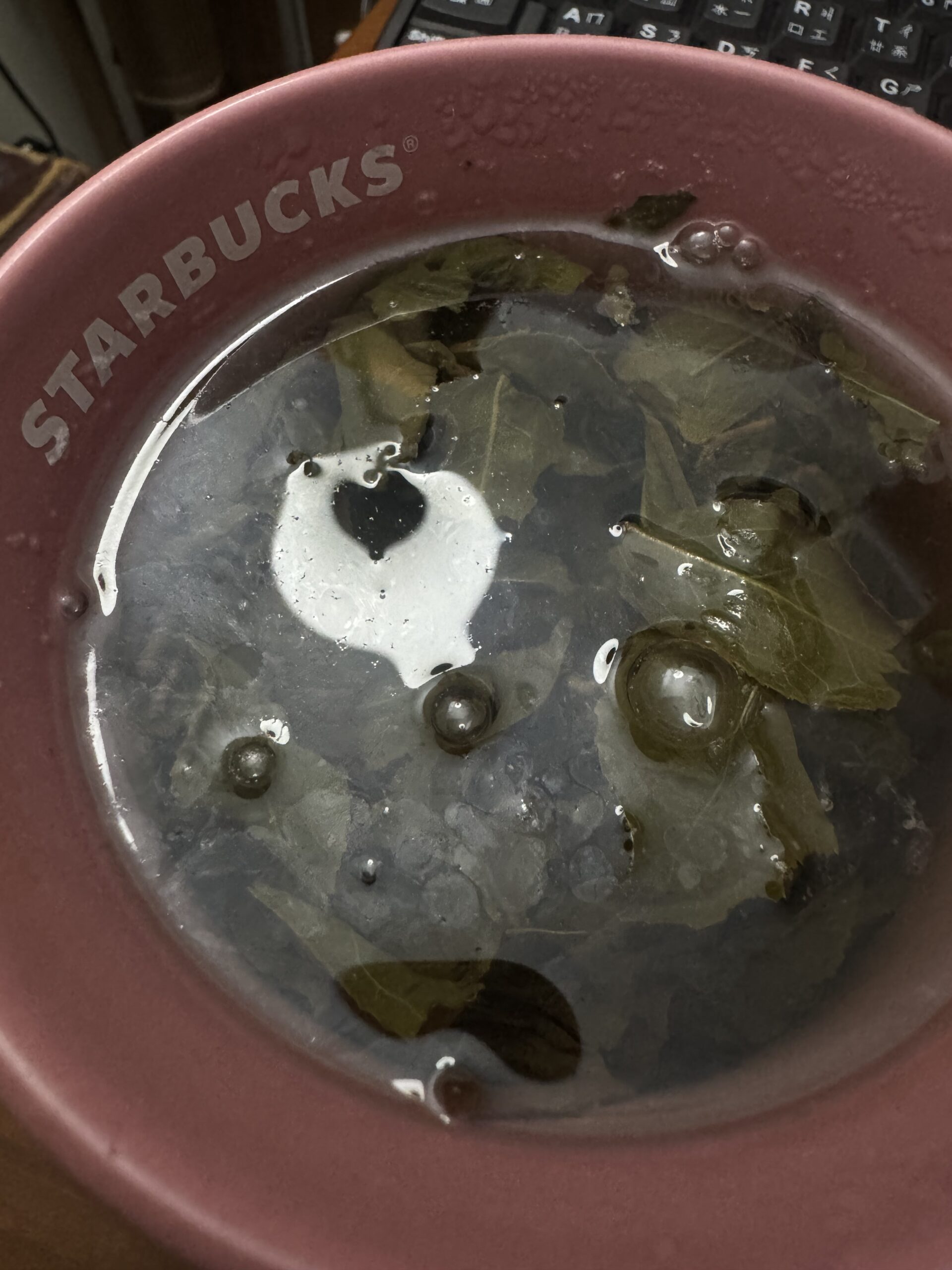
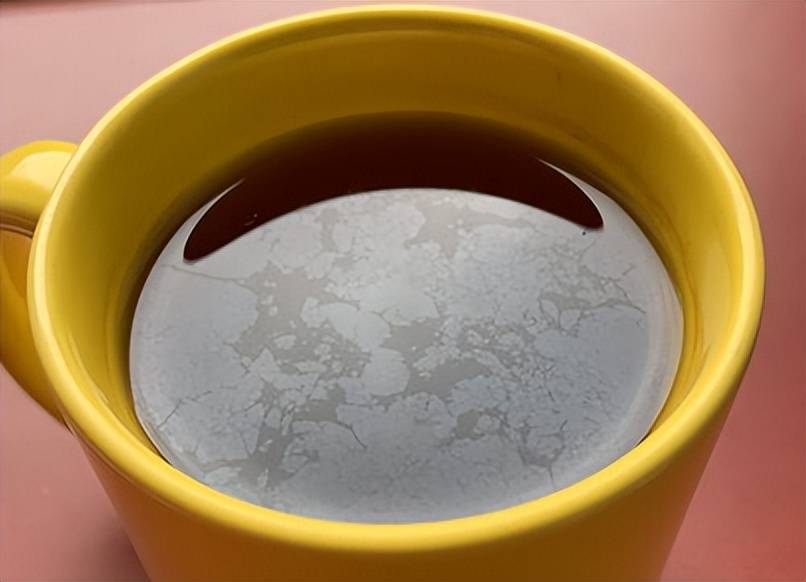
Hard water often makes tea "not bright enough": the tea film is the obvious signal.
Have you ever seen the translucent, glossy and slightly oily tea film on the surface of the tea broth?
The Royal Society of Chemistry (RSC), Europe's largest chemical science organization and the oldest in the UK, published a study in 2023: "The effect of water quality on the formation of tea membranes in different tea varieties." They used green tea, black tea, pu-erh tea and other teas for the experiment.
The study revealed that the formation of tea membranes is mainly associated withPolyphenol + Calcium Carbonaterelated and hardly formed in pure water (Milli-Q); in contrast, the use of water with high water hardness produces significant changes, even under conditions of hardening with CaCO₃ only.含 200 mg/L(in the form of) CaCO₃ The "strongest" tea film is formed when hard water is used as the "best" tea film in the world.。
What is more interesting in the study is that they measured the thickness of the tea film of Pu-erh tea from the first hour using an Ellipsometer.是 17±2 nmPlace it on the second one.HourlyThickness increased to 20±2 nmIn addition, by doubling the concentration of both the quantity of tea leaves and the amount of water, the thickness of the tea leaves can be increased. 約 35%。
This film is essentially a part of the flavor and taste of the tea leaves "gathered on the surface", so you will feel how to take home the tea leaves to brew out of the tea how the aroma has become dull, the color of the soup has become darker, the layers are not clear enough - if you take it as a signal light of hard water, we will often know what is happening.
Third, I want to see "how much difference in composition": catechins (EGCG) will indeed be affected by hardness.
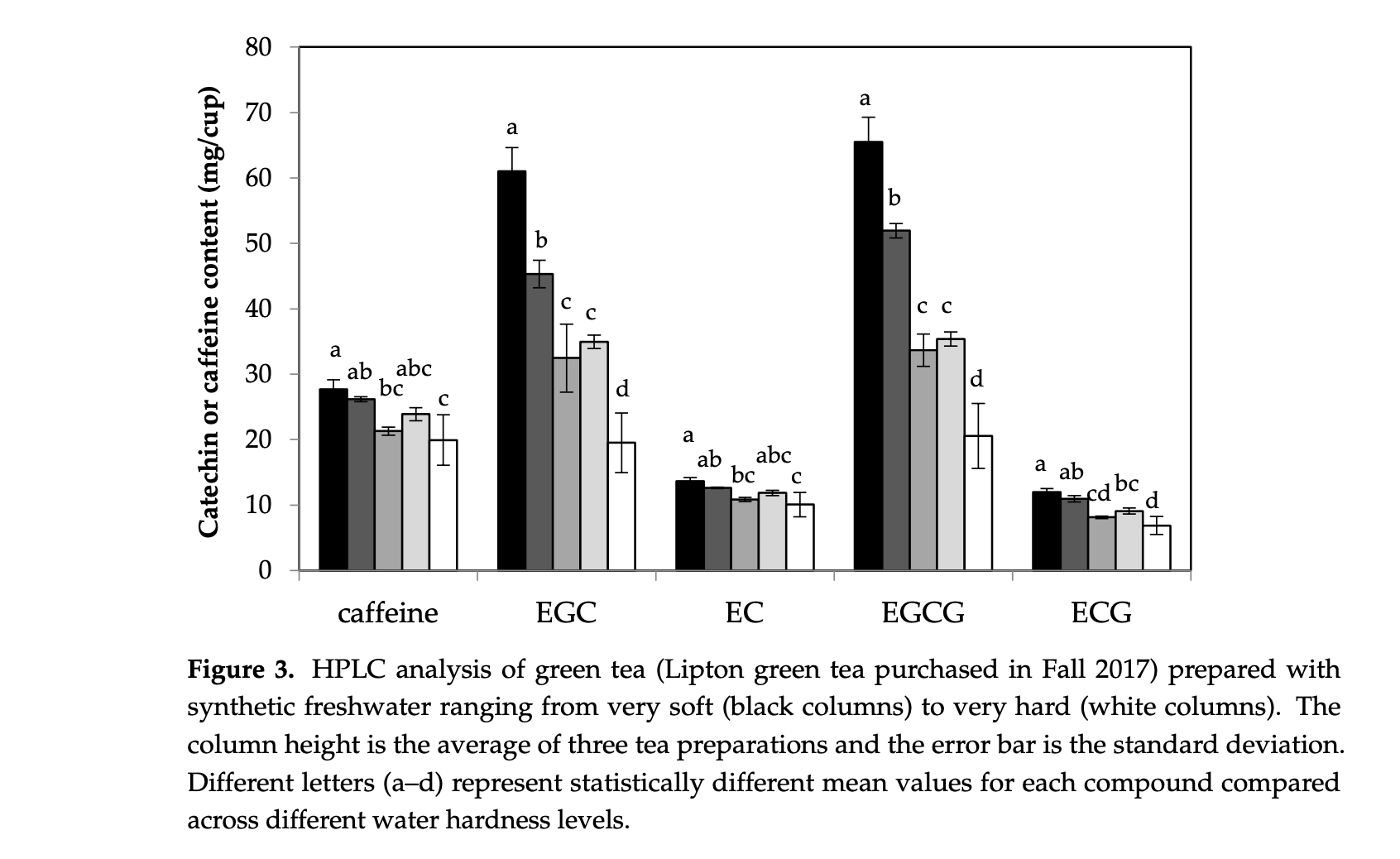
If you like to savor the freshness and catechin content of green tea, water quality is crucial. Molecules, a Swiss academic journal, published a study conducted by California State University in 2021: "The effect of water hardness on the amount of catechins and caffeine released from green tea". The study used five different hardnesses of synthetic water to brew three brands of green tea, namely Bigelow, Lipton and Twinning, and the results showed that the overall catechin content of the green tea brewed in soft water was lower than that brewed in hard water, and the caffeine content of the green tea brewed in soft water was lower than that of the green tea brewed in soft water. 164.6 ± 8.8 mg/cupfall to 67.5 ± 14.7 mg/cup(extremely hard water, poorly) 2.4 times), of which EGCG, EGC The most significant decline was in the number of children with disabilities, which amounted to 3.2 times vs. 3.1 timesThe study also shows that when the brewing water is alkaline or hard, it is more likely to be alkaline. The study also pointed out that when the brewing water conditions are alkaline and hard, it is easier to"Browning."In addition, "onset of browning" requires a certain threshold of hardness and pH (in the Cornucopia report, it is stated that the hardness needs to be more than 0.5 mg/kg). 42 ppm CaCO₃The pH needs to be exceeded. 6.3This is also the reason why some people use hard water to brew green tea.) This is also the reason why some people who use hard water to brew green tea will find that the color of the soup becomes darker and the astringency at the end is more obvious.
Four: Three Drinks' conclusion on water selection: whether you want "good tasting" or "more complete catechin dissolution".
At the end of the article.
Let's go back to the most practical situation: the tea you want to brew this time, do you want the comfort of taste, or do you want to release more catechins in the tea broth?
A 2019 Cornell University study on the topic "Green Tea Brewed with Bottled Water Increases Antioxidant Content" reported that: Throughout the sensory test, themore than 100 A consumer prefers green tea brewed with tap water.The reason for this is that it tastes sweeter and smoother.
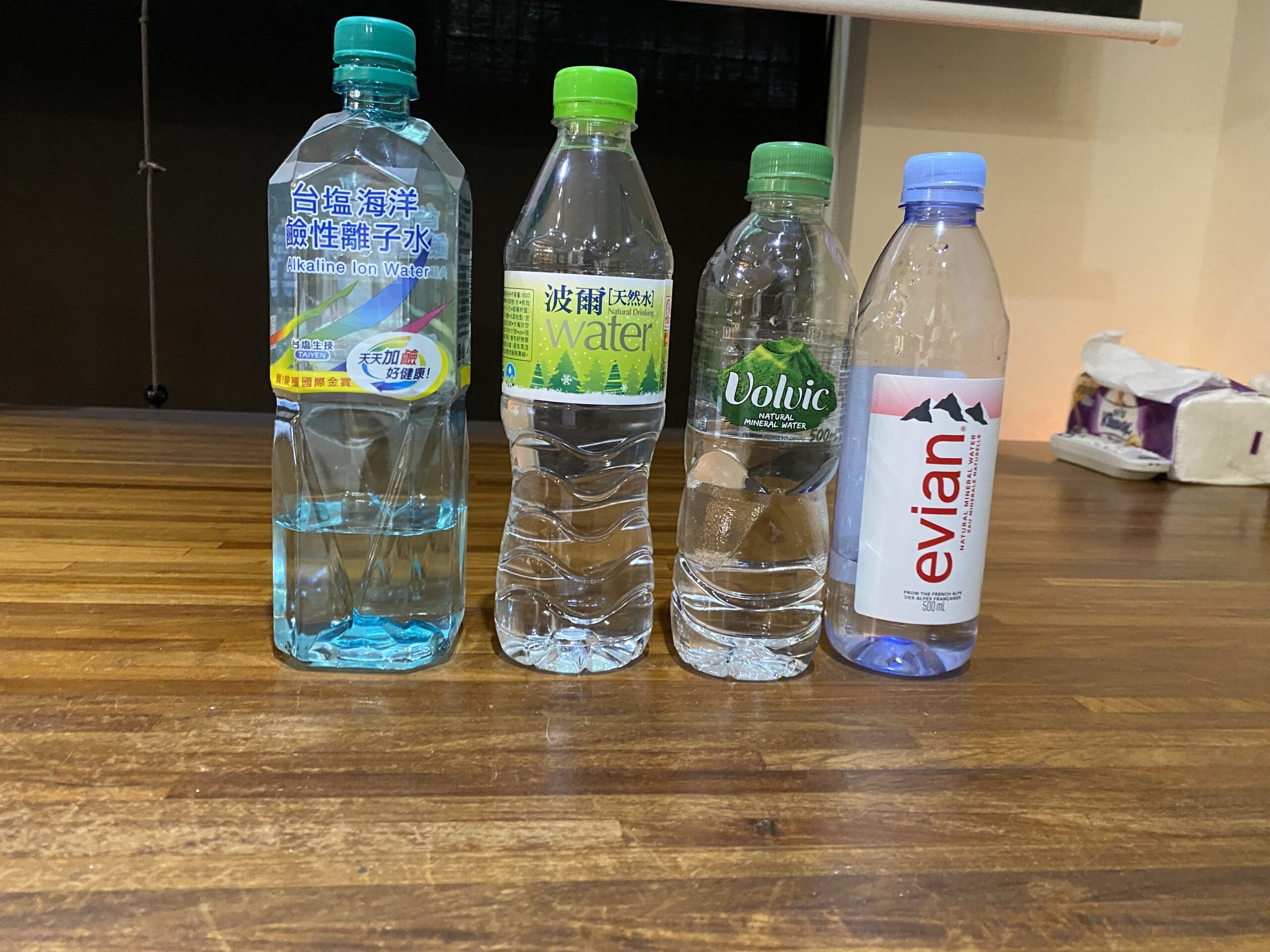
But green tea made with bottled water.EGCG About twice as much as tap water.This means that "soft water is always better" is not necessarily true. This means that "tea brewed with soft water is always better" is not necessarily true.
Softer (or purer) water releases the healthful elements in the tea extract more completely, but it may also magnify the bitterness along with it.
Medium-hard water often makes for a smoother texture and a more pleasant mouthfeel.
"Tea" is really a magical plant, from the growing environment, climate, the craftsmanship of the tea maker to the brewing technique, the softness and hardness of the water, etc. Every change is enough to change the flavor of the tea broth. The next time you want to make tea, it is recommended to use the same tea, the same water temperature, the same number of grams, the same steeping time, and take two kinds of water to do a comparison, you will quickly find your favorite point of balance - that is, your unique "special tea brewing techniques".
"The tea leaf determines the upper limit, the water quality determines how much you drink."—— three drinks