Li Bai loved wine and landscapes. If he sat down and drank a pot of tea, what would the scenery be like? From "The Yangtze River Flows in the Sky" to "The Silver River Falls into the Nine Heavens", Three Drinks brings you to find an aromatic philosophy suitable for modern people between the Tang poem and the aroma of tea.
I. Why Tea from Li Bai
When I think of Li Bai, most of the time I think of him raising his cup to the moon and poetic bravado, rather than quietly brewing tea!
But does a man who is so fond of mountains, rivers, clouds and the moon really belong only to wine?
The Tang Dynasty was a time when tea culture matured. Lu Yu wrote the "Tea Classic", and monks, literati, and hermits all searched for longer-lasting sobriety in a cup of tea than in wine. Li Bai moved between the court and the jianghu, and the landscapes he wrote about are in fact very suitable for us to understand the entrance of a pot of tea.
When we talk about "tea and Li Bai", we don't have to write him off as a teetotaler, but rather, we can draw on his vision and imagination in his poems to help modern people to find a state of mind that is fragrant and powerful in the midst of a noisy life.

From the Long River to the Silver River: Landscape into Poetry, and also into Tea.
The most fascinating thing about Li Bai's landscapes is the faraway viewpoint.
《The Yellow Crane Tower Sends Meng Haoran to GuanglingIn that, he wrote:"The distant shadows of the lone sail are all in the blue sky, but the Yangtze River flows between the skies." The ship's shadow disappeared into the sky, leaving the Yangtze River slowly flowing into the distance.
The sorrow of separation is laid to rest on a long, long stretch of water.
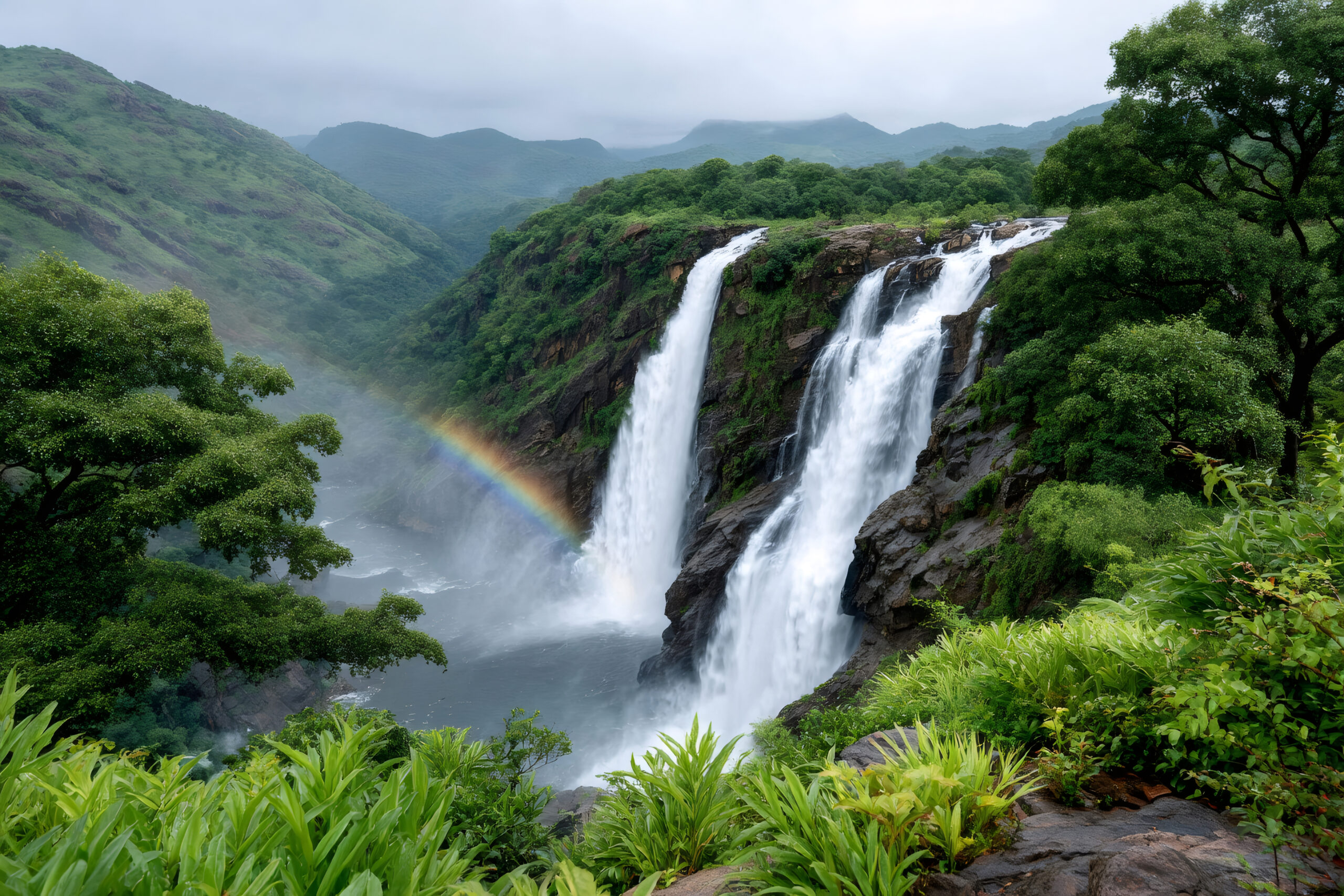
He was also good at writing about nature in a majestic way. Mt. Lushan Waterfallinner"The river flows 3,000 feet straight down, and it's suspected that the silver river is falling from the sky."The waterfall becomes a river of silver pouring down from the heavens. This is not showmanship, but a kind of imagination that stretches the scenery in front of us to the limit. A good pot of tea actually has such a level.
In the mouth, the delicate aroma of Alpine Oolong first floats up, like the mist and the mountain wind, with a long feeling of "the Yangtze River flowing in the sky". Then, the sweetness of the aroma sticks to the tongue and throat, slowly relaxing the emotions.
Finally, a certain flavor pops out, perhaps a flash of fruit, or a cold minerality, as if a small "silver river falling from the sky" has suddenly appeared in the glass.
When you realize that what you are drinking is not just a daily beverage, but a piece of mountain, a climate, and a period of concentration, the tea broth will naturally have a picture and a story.
Drinking and sobriety: two different kinds of freedom
Li Bai is almost equated with wine, and what he exchanged for wine was a kind of freedom that was immediately magnified.
Dare to say, dare to laugh, dare to cry, give the moon and the river wind the wildness that is not understood.
Tea gives another kind of freedom that is more suitable for daily life. Tea doesn't make you fly, it invites you to sit down. It doesn't help you forget, but accompanies you to see clearly. Wine pushes your emotions to a high point, while tea lets your thoughts slowly settle.
In an age of constant information barrage, we often want to turn off the world at the click of a button, but most of the time we still have to face tomorrow's meetings and bills. That's where a pot of tea comes in, to give you a moment of pause. Fill the tea leaves with hot water.Waiting for a minute or two of immersion is itself a directive: "Slow down for a while and then decide how you want to respond."
When the tea is in your mouth, you may realize that what you felt you had to do just now can actually be done later, and that you don't necessarily need to say what you wanted to say right away. This kind of sobriety is not glamorous, but very practical.

Make a pot of "Li Bai style" tea in your daily life.
If you want to try "Tea with Li Bai" in your daily life, you don't need to travel far and wide, and you don't need complicated tea utensils.
First step, just keep a little corner for yourself.. It could be a slice of sky by the window, a plant on the balcony, or the desktop after turning off the screen before bed. The point is, let yourself be here for a few minutes without being disturbed.
The second step is to make a nice, clear pot of tea.
High mountain oolongs and lightly roasted teas with floral and fruity flavors are all suitable. Watching the tea broth slowly turn golden or honey green, and smelling the aroma rising like a cloud, it is natural to think of the mountain breeze and the sound of water.
As a third step, you can read a sentence or two from Li Bai or a book of interest.
You don't have to do any special research, just twist it in your hand. It could be "Raise your glass to invite the moon", or "Flying straight down 3,000 feet", or "The old man and the sea".
After reading the poem or article, put the poem or article in your heart and take a sip of tea to see if there is a little more picture and feeling in this sip.
Finally, ask yourself: Are your body and mind more relaxed now than they were just now?
Are there any thoughts that have been stuck that have loosened up a bit?
These small changes are your own."The fragrance of the landscape.

V. Landscape in a Cup: Three Drinks Hall's Aroma Philosophy
For Three Drinks, a pot of tea is not just about whether it tastes good or not.
It's about whether or not you have a little more breath and space in these minutes.
Li Bai used poetry to find a resting place for himself in the landscape; we hope to use tea to accompany you to leave a small place in your life where you can temporarily unload your weight.
When you pick up your cup of tea, you can use it as a simple three-drink exercise. First drink, drink nature first, remember there are mountains, clouds and time behind this cup of tea.
For the second drink, drink your mind again and let the aroma and aftertaste accompany you to organize your emotions for the day.
The third and final drink of life is a slow release of fatigue and anticipation into a mouthful of warmth.
Maybe we don't have Li Bai's boldness and talent, but everyone can make a pot of his or her own "fragrance in the landscape" in his or her own life. The moment you put down your cell phone and pick up a cup of tea, Tang poetry is no longer just words in a textbook, but a fragrance and sweetness that quietly dissolves into the cup.
"Li Bai seeks freedom in the landscape, and you learn to relax in the aroma of tea. Who says you have to push yourself forward in life?"—SAN YIN TANG