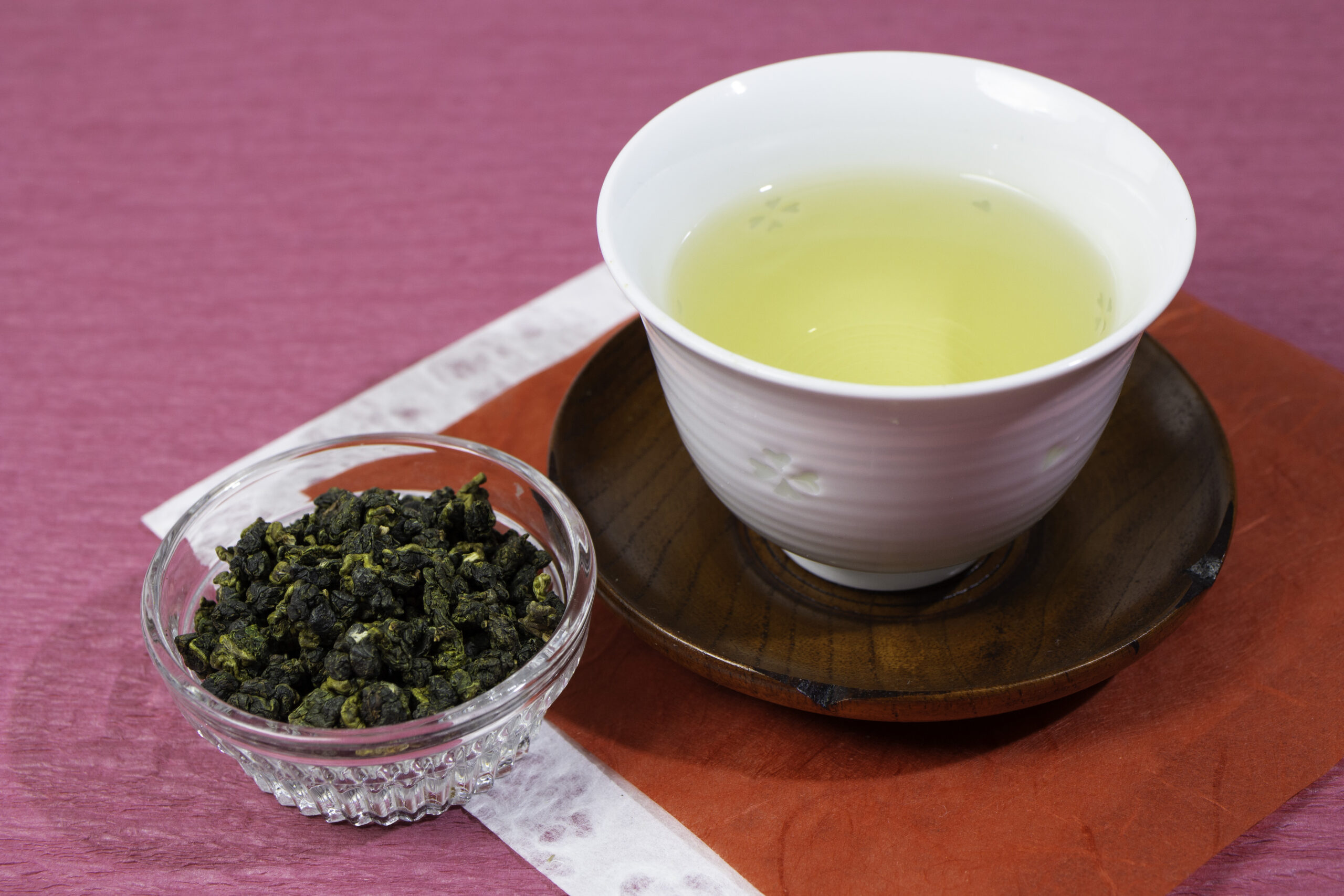

You must have had this experience before:
The tea is astringent and slightly bitter in the mouth, but after a few seconds of swallowing, a sweetness slowly emerges at the base of the tongue and throat.
It's like a thin spring gushing out from the depths of your mouth.——This is what tea people often refer to as "sweetness".
Many people think that sweetness is just a synonym for "good taste", but in fact, there is a whole set of "oral chemistry" and "tea polyphenol" cooperation script behind.
In this post, we'll break down this fascinating flavor phenomenon in a no-frills way.
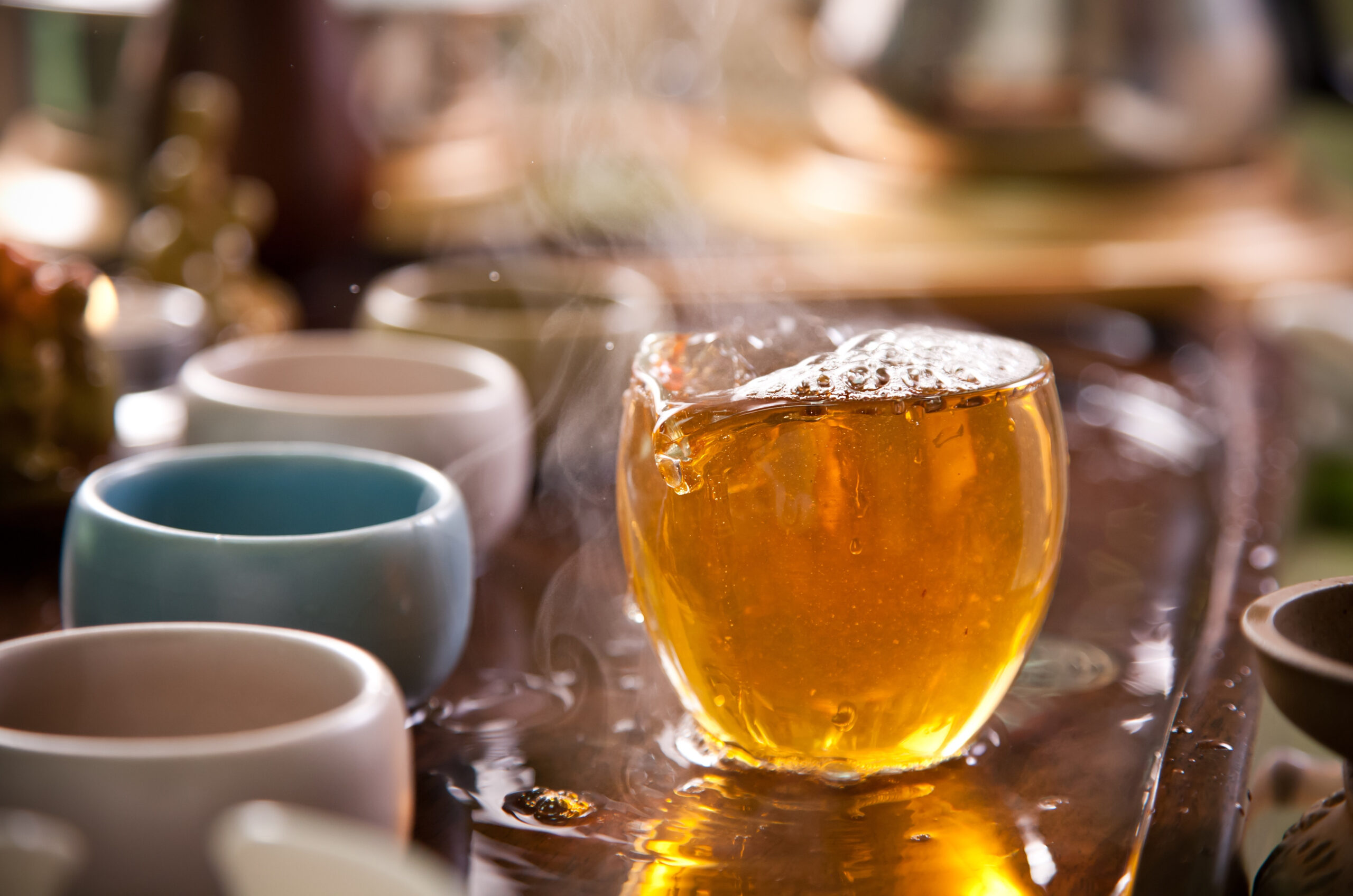
What is "sweetness"? It's not just sweetness.
Let me first explain the concept clearly:
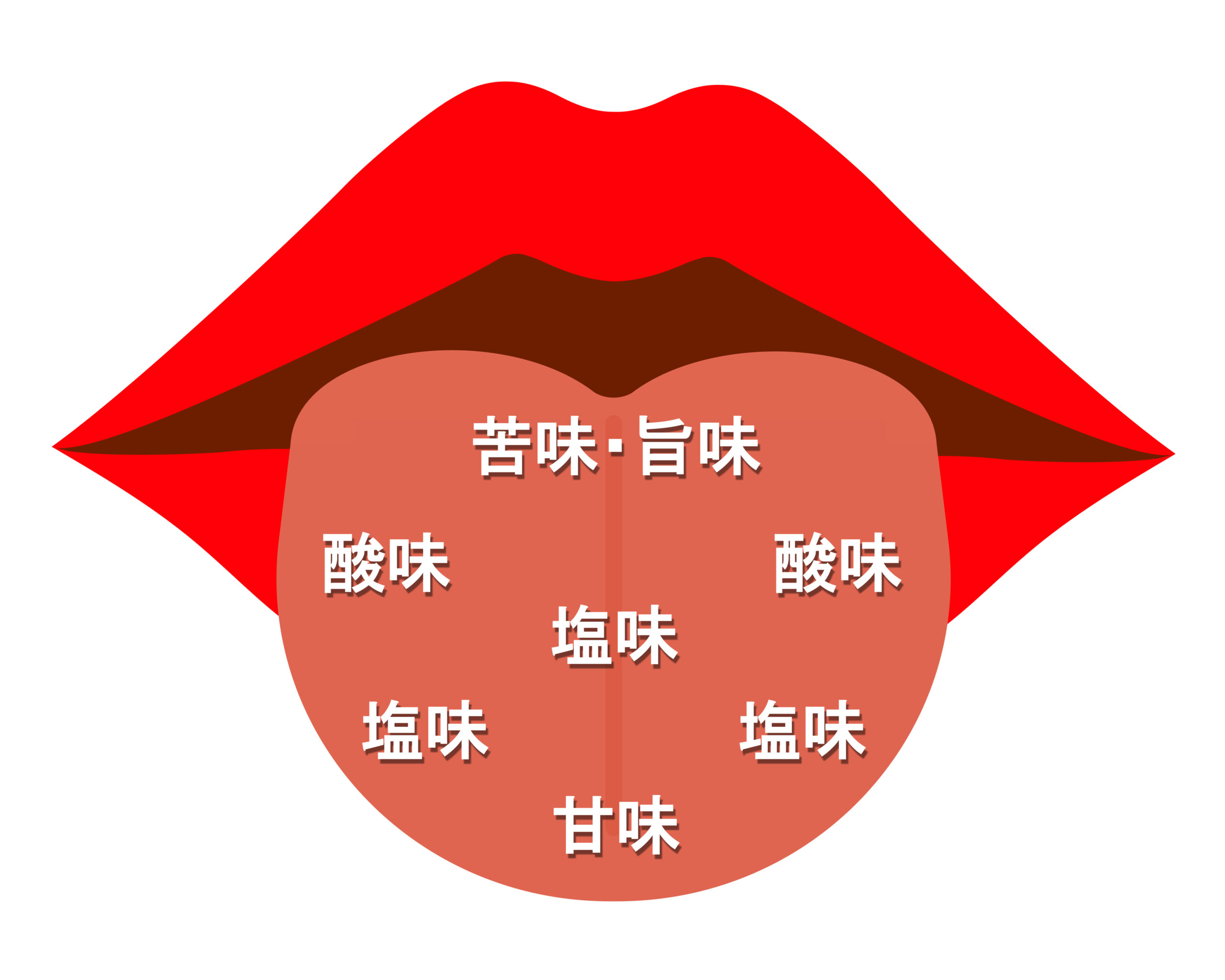
- Sweetness: Sugar sweetness, fruity sweetness that is immediately felt in the front-middle part of the tongue as soon as you drink it.
- Lingering sweetness: After swallowing the tea, a sweet and cool sensation slowly emerges from the base of the tongue, throat, and the back of the mouth, often accompanied by an increase in saliva secretion and a feeling of "very moist" in the throat.
In other words, sweetness.It's not sweet right off the bat.Instead, it is a "delayed sweetness + coolness + comfort" with a little bit of "throatiness".
From a physical and chemical point of view, sweetness is actually a combination of these sensations:
- The bitterness is slowly subsiding.(Adaptation and Decay of Bitter Taste)
- The mouth is re-secreting a lot of saliva.It brings moisturization and a bit of natural sweetness.
- Free amino acids, small amounts of sugar and aromatic substances in tea leaves.The taste buds "notice" when the bitterness subsides.
- Tactile, warm and slightly cool sensations in the throat and back of the mouth.The "Rhyme" is a combination of the two.
Therefore, the sweetness of the aftertaste is more like "after the bitterness has left the stage, the other subtle flavors and the mouth's self-regulation" work together, rather than a single "sugar sweetness".
The protagonist No. 1: Tea polyphenols, the double-sided role of bitterness and sweetness
When it comes to the bitterness and sweetness of tea, tea polyphenols must be one of the main characters.
Tea polyphenols are a general term for a large group of compounds, the most important members of which include:
- CatechinsHigh content in green tea, most oolongs
- Theaflavins、Thearubigins: Mostly found in black tea and heavily fermented tea.
- Gallic acid derivatives:Compounds derived from gallic acid, which have properties of gallic acid, such as antioxidant effects
These molecules have several characteristics:
1. Bitterness and astringency:
- Bitterness is the direct stimulation of the bitter taste receptors on the tongue.
- They are astringent because they "grab" the proteins in the saliva, leaving the mouth with a "dry, tight, and astringent" feeling (this is called astringency(and a sense of astringency). 2. Binds with salivary proteins and affects "mouth feel".:
- There is a "lubricating film" made up of salivary proteins in the mouth, which makes the surface of the mouth smooth and non-dry.
- Tea polyphenols will combine with these proteins to form large insoluble compounds, and the lubricating film will be damaged, and we will feel "astringent" and "astringent". 3.The moderate astringency is a hint of sweetness.:
- A little bit of astringency will stimulate the salivary glands to "work overtime" to produce more saliva.
- When you swallow the tea and new saliva starts to be produced to re-lubricate your mouth, the sweetness often creeps in at this time.
That is to say, theWithout the first "astringency", there would be no "sweetness".。
Good sweetness often comes from the fact that "there is bitterness, but it withdraws quickly and softly".

Oral Chemistry Live: The Symphony of Saliva, Proteins and Taste Buds
Then see what happens at the "end of the mouth".
- Saliva is not just saliva, it's a cellular version of "harmonizer".
Saliva has many ingredients in it, including:
- padding: Dissolve the flavor molecules in the tea and let them reach the taste buds.
- Salivary proteins (PRPs, etc.): Combines with polyphenols to form astringency.
- Small amounts of electrolytes and mucus: affects the smoothness of the texture
- Enzyme with a small amount of glucose: very light sweetness and warmth.
When you drink tea with a little bit of astringency, the tea polyphenols bind with salivary proteins and lubricate the drop → the brain thinks "Hey, a little bit astringent" → the brain thinks "Hey, a little bit astringent". The salivary glands have received a signal to increase saliva production.。
After a few seconds, three things happen to the newly secreted saliva:
- Dilutes the bitter substance in the mouth.
- Re-forms the lubricating layer, leaving the mouth feeling "smooth and moist".
3. With a little bit of its own light sweetness and mild pH, so that the sweetness is more obvious. That's why.The sweetness often comes "a few seconds after swallowing".underlying causes——It needs saliva to "return" to the show.
2.Adaptation of taste buds: Bitterness takes over first, sweetness comes later
Taste buds get "tired" of stimulation. When you are initially exposed to a large number of bitter molecules, the taste buds become "tired" of the stimulus:
- Bitterness receptors are strongly stimulated first → you feel "bitter".
- A little while later, the recipient will beAdaptationThe same concentration of bitterness that dulls your senses.
- At this point, if the tea already has someMildly sweet and savory molecules (e.g., theaminic acid, small amounts of soluble sugars)They will be noticed by the taste buds after the bitterness has subsided, so you will feel it:
"Hey? It seemed a little bitter just now, but now it's sweet?"
In fact, it is not that "sweetness comes out of thin air", but the sweetness and freshness that already existed in the first place, slowly emerge after the bitter taste has retreated.
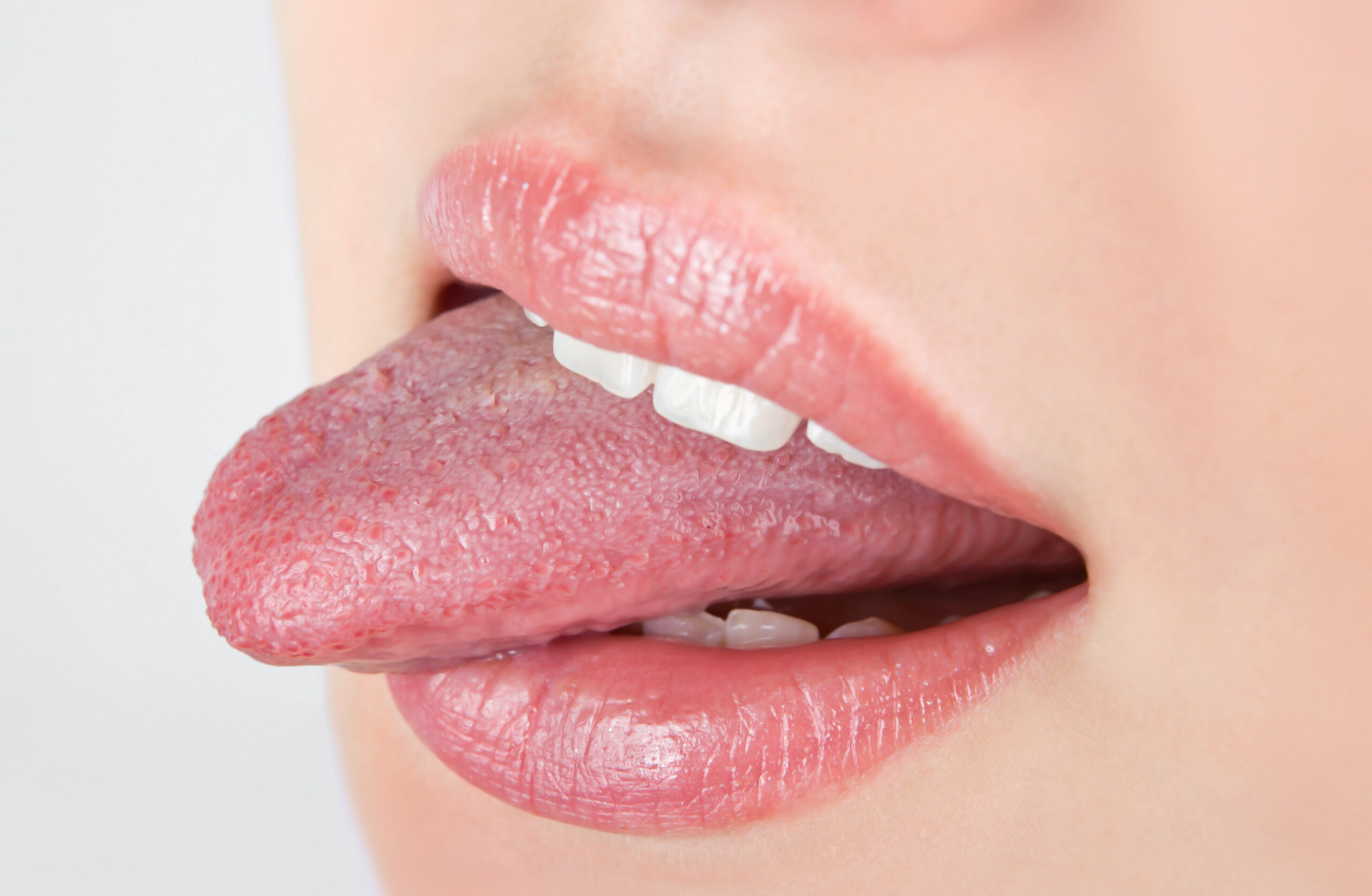
What are the ingredients in the tea that help to create a sweet aftertaste?
In addition to the interaction between polyphenols and saliva, tea itself has several "sweetening powers":
1. Theanine (L-theanine): soft sweetness and relaxation
- Theaminic acid is an amino acid found especially in theAlpine Tea, Shade Cultivated Tea, Spring TeaIt is found to be higher in the
- It bringsSoft sweetness and freshness (umami)It is not as straightforward as sugar, but is more "light, moist and fresh".
- Theaminic acid also works with caffeine to give aSober, but not frenetic, relaxationIt also makes the sweetness experience more "comfortable". 2. Small amounts of soluble sugars and sugar alcohols
- During the growth, withering and roasting process, tea leaves will accumulate or transform someSoluble sugars, oligosaccharidesThe baking process may also produce someCaramelized Relative Flavor。
- They don't come in such high amounts that they are as sweet as a drink, but these subtle sweetnesses are amplified when bitterness recedes and saliva is plentiful.
3. Fragrance molecules and coolness
- Certain high mountain teas and lightly roasted oolongs will have a light flavor.Floral, fruity, cold mineral scent。
- These aroma molecules rise through the back of the mouth to the nose (retronasal aroma) and, with a slight coolness, are mistaken for "sweetness".
- Then you feel: a "cool, sweet, refreshing sweetness" slowly coming up from the side of your throat.

Why some teas are sweet and some are bitter?
Since sweetness involves the composition of the tea leaves and the chemistry of the mouth, it will of course vary according to the type of tea, the place of origin and the production process.
1.Varieties and origins: the advantages of high mountains and specific varieties
- High mountain tea areas (e.g. Lei Shan, Tai Yu Leng, etc.) forLarge temperature difference between day and night, soft lightTea leaves often contain a high percentage ofAmino Acids and Aromatic SubstancesThe polyphenols are relatively soft and tend to have a delicate aftertaste.
- Certain species (e.g. green heart oolong) are born withBalanced polyphenol structure and amino acid ratioThe aftertaste is usually better when cultivated and processed properly. 2. Fermentation and roasting: adjusting the balance of bitterness and aroma.
- Lightly Fermented Oolong, Good Quality Green TeaThe tea has more polyphenols and is both bitter and fragrant. If the tea is well made and the condition of the tea leaves is good, it is often characterized by "slight astringency at first, then sweetness later".
- Medium-fermented, medium-roasted oolongsThe polyphenols are oxidized, the bitterness is lowered, and the aroma of nuts and ripe fruits from roasting is added, resulting in a more "warm and long" aftertaste.
- Excessive withering or rough roastingThe following are some examples: It may make the bitterness and impurities heavier, destroy the amino acid and delicate flavor, and leave only "dry, dry, and scratchy", and the aftertaste is not obvious. 3.Picking Standards and Condition of Tea
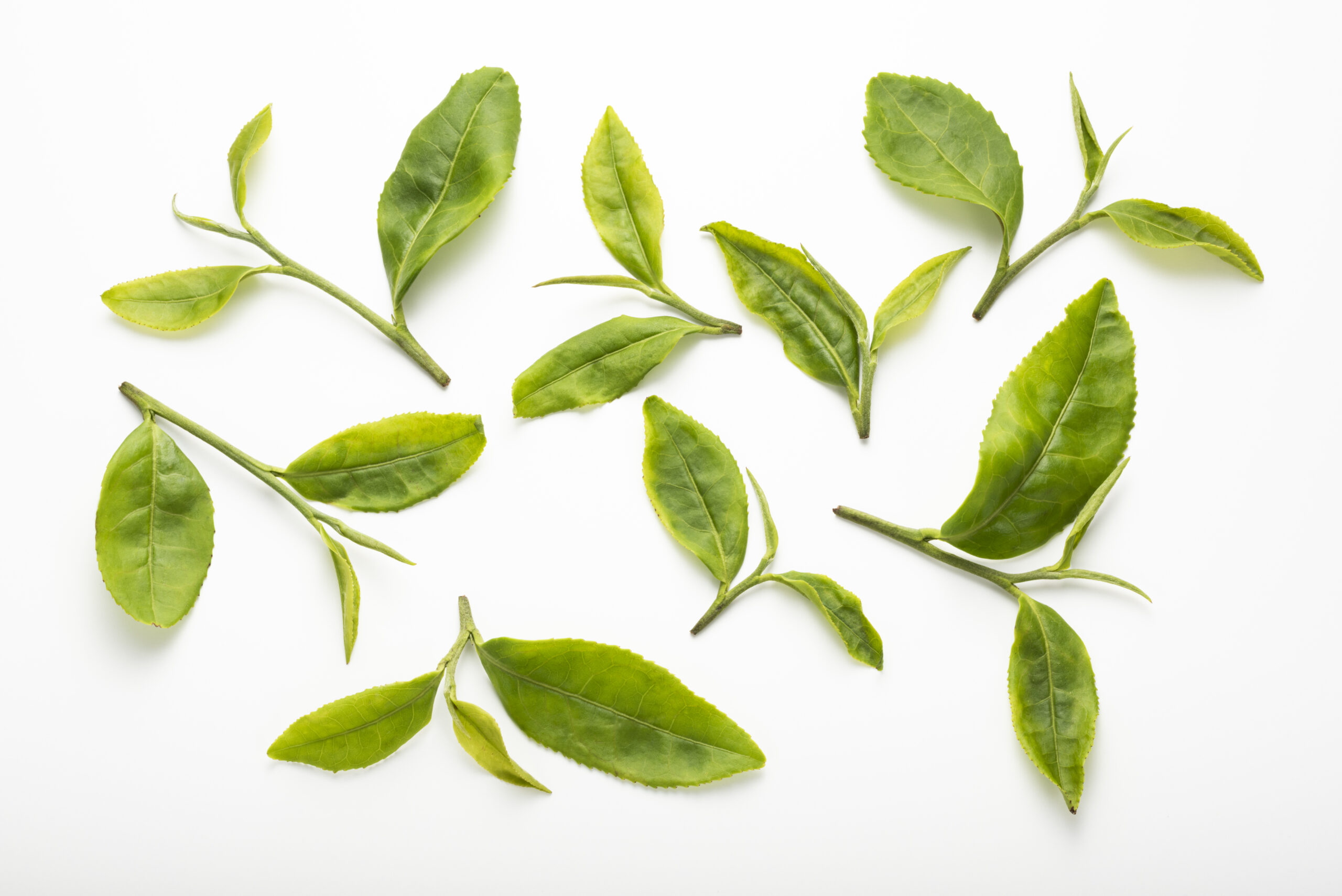
- Tender buds + two leaves in one heartGood ratio of polyphenols to amino acids, no roughness in bitterness, high sweetness potential.
- Tea plants with old leaves, thick branches, and many pests and diseases.Polyphenol: The polyphenol structure is more robust, with strong bitterness and astringency that is not easy to astringent, and it is also difficult to have a delicate aftertaste.
Brewing also determines whether you get a "sweet aftertaste" or "bitter to the point of doubt".
The same good tea, if not brewed properly, may turn the sweetness into "heavy bitterness and astringency". A few practical tips:
1. WaterTemperaturestable
- Soft water is slightly better than hard waterToo hard water (with a lot of minerals) tends to make the tea broth heavy and blunt, while the delicate aroma and sweetness are suppressed.
- Tap water with a strong chlorine tasteIt also interferes with the aroma and sweetness, so filter it if you can.
Alpine Oolong, Clear Oolong1. Recommended water temperature Around 95°CIf you are using freshly rolled tea, you should never let the polyphenols get "bombarded" for too long. 2. If you use freshly rolled tea, never let the tea leaves to be bored for too long, as the polyphenols will be "bombarded" at once, and the astringency will overshadow the sweetness.
Roasted Oolong, Medium to Heavy Fermented Tea1. Water temperature can be close to 95-100°CThe soaking time should be controlled.
2. Time and amount of tea should be balanced
- Too much tea + too long steeping → polyphenols and caffeine dissolved in large quantities → bitterness and astringency first explode all over the taste buds, and it is hard to save the mouth no matter how hard it tries to secrete saliva.
- When you are not familiar with a tea at first, you can first"Small amount of tea leaves, short period of time, multiple brews".The first thing you need to do is to find the point of comfort where there is both aroma and sweetness. 3.Don't underestimate water quality.
- Soft water is slightly better than hard waterToo hard water (with a lot of minerals) tends to make the tea broth heavy and blunt, while the delicate aroma and sweetness are suppressed.
- Tap water with a strong chlorine tasteIt also interferes with the aroma and sweetness, so filter it if you can.
Understand "sweetness" scientifically and memorize it physically
To summarize, why is tea sweet?
- Because of the tea.polyphenolIt first brings moderate bitterness and subtle astringency, which binds with salivary proteins and stimulates the mouth to re-secrete saliva.
- This is because the tea leaves containAmino Acids, Soluble Sugars and Fragrance MoleculesWhen the bitterness subsides and the mouth is moisturized again, it is slowly detected by the taste buds and the sense of smell.
- BecauseAdaptation of taste buds to bitter flavorsThe sweetness and freshness that is already there is given a chance to "come to the fore".
- BecauseTea Tree Varieties, Terroir, Fermentation and RoastingThe sweetness of the wine is a very different color: some are bright, some are warm, and some are deep.
Next time you drink tea, you might want to slow down a bit:
- The first moment you feel it in your mouth: bitter? Astringent? Soft? Aroma?
- After swallowing, count for three to five seconds and notice if there are changes in the base of the tongue, cheeks and throat.
- Feel the saliva gradually become more and more, the unobtrusive, but more and more obvious sweetness and moistness - that is the "sweetness", but also tea in your mouth in a miniature chemical drama.
Understand the principle, not to make tea serious, but to know better:
Why is it that a good cup of tea always makes you want to make another pot?「It's going to be sweet.,It's not just a pot of tea, it's all the bitterness you've swallowed over the years.""。 -- Three Drinks Hall