Tea and travel, a landscape in a cup of tea

Traveling, for me, has never been just about moving.
It is more like a process of finding the "rhythm of the heart".

For many years, as a result of his work in agriculture and trade.
I've traveled up and down the mountains in Taiwan. I've been to countless towns and cities.
We have also traveled to various countries for work, travel and study - Japan, China, Korea, Thailand, Singapore, Malaysia, Vietnam, Brunei, etc.
He has even traveled to Europe, the United States, Germany, and the Netherlands.


From the city to the countryside, from the market to the monastery, these journeys are not just work, but also a practice of the heart.                                                 

And on every journey, no matter how light or heavy my luggage is, I always bring a bag of tea with me.

It's a habit. It's stability and companionship.                                                                                                                               

Just like some people must bring cameras and notebooks when traveling, I bring "tea".
No matter where you are in the world, if you can calm down and make a pot of tea, you'll be able to make it.
The world will quiet down - the familiar aroma of tea will let me know, "No matter how far away from home you are, there is still a place where you can have your own peace and quiet".
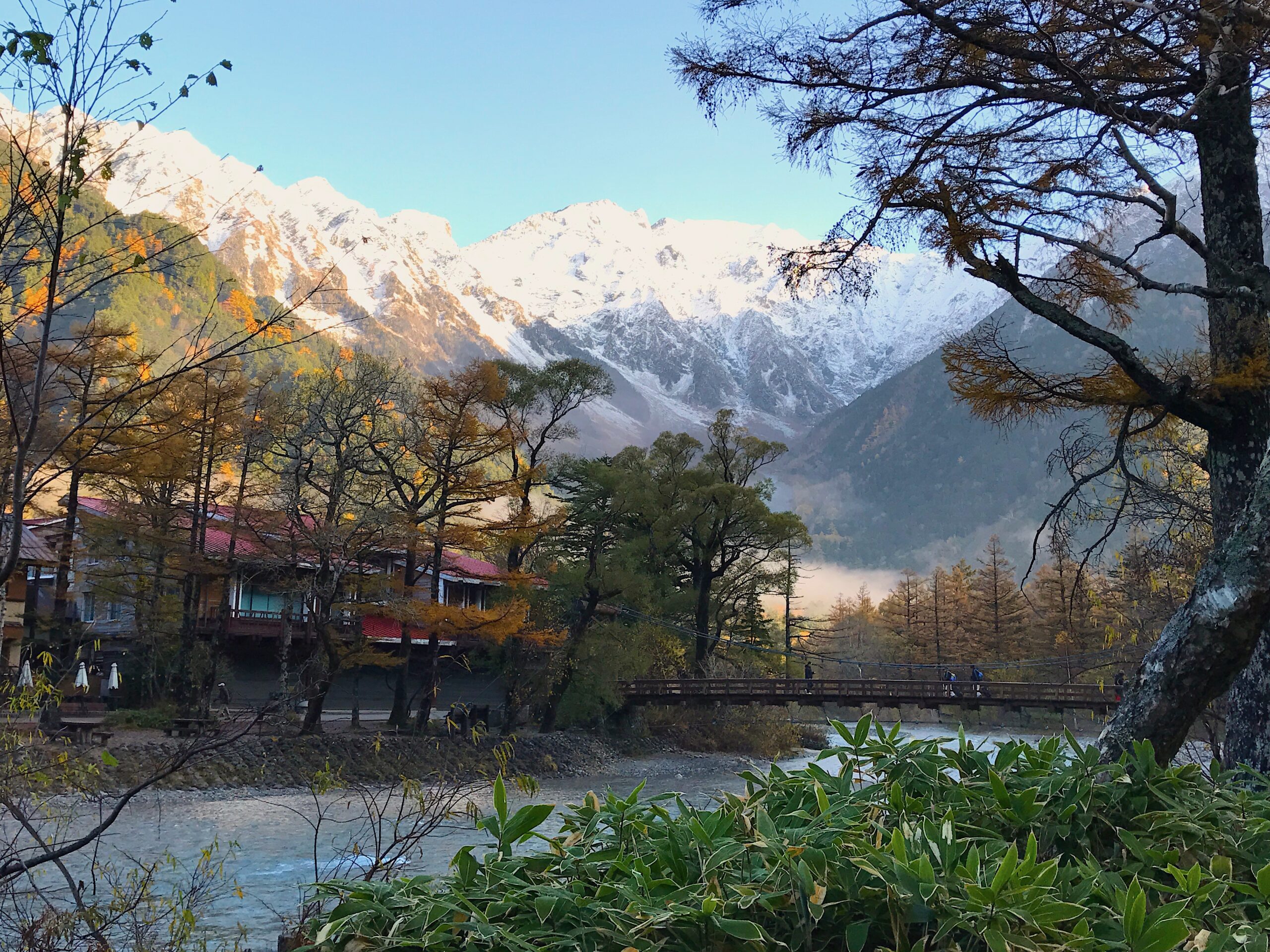
Kamikochi National Park, Matsumoto City, Nagano Prefecture, Japan Scenic Area

A cup of tea is the taste of home

The days out are always running.
Sometimes we visit farmers in the mountains, sometimes we talk in the city, and sometimes we fly to and from foreign countries.
I was in a hurry and jet lagged, but as long as I could have a moment of silence to make tea, my heart was set.

Whether on a business trip to Seoul, Korea, a factory residency in Thailand, a trade show in Germany, or a snowy night traveling in Nara, Japan...
I used to make a pot of Taiwan High Mountain Oolong Tea in my room.                                                                                                    


The aroma of tea warms up the whole space.
At that moment I realized - tea is not just a drink, it is a taste of home.                         

No matter where you are, a cup of familiar tea is a temporary home.

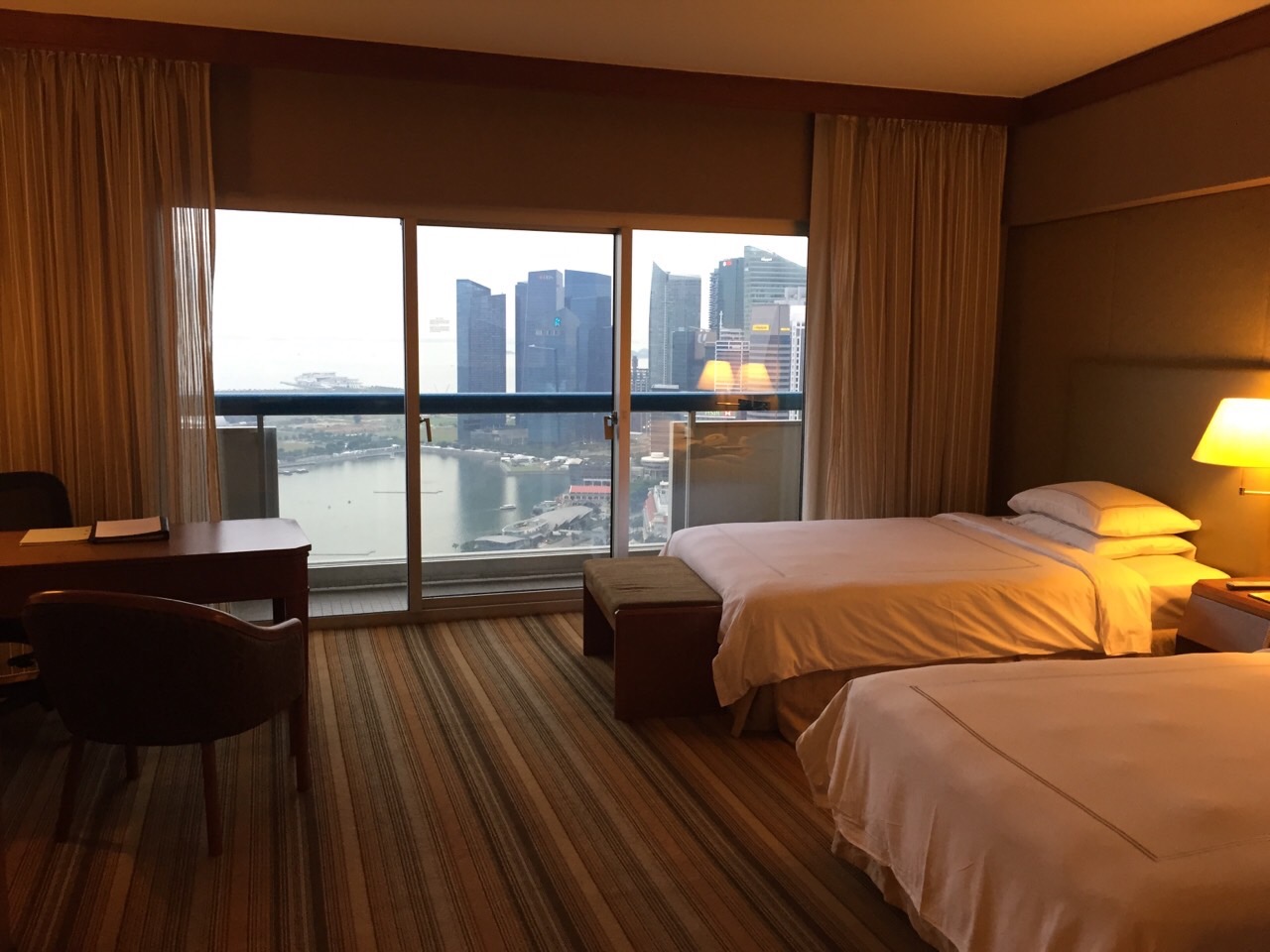
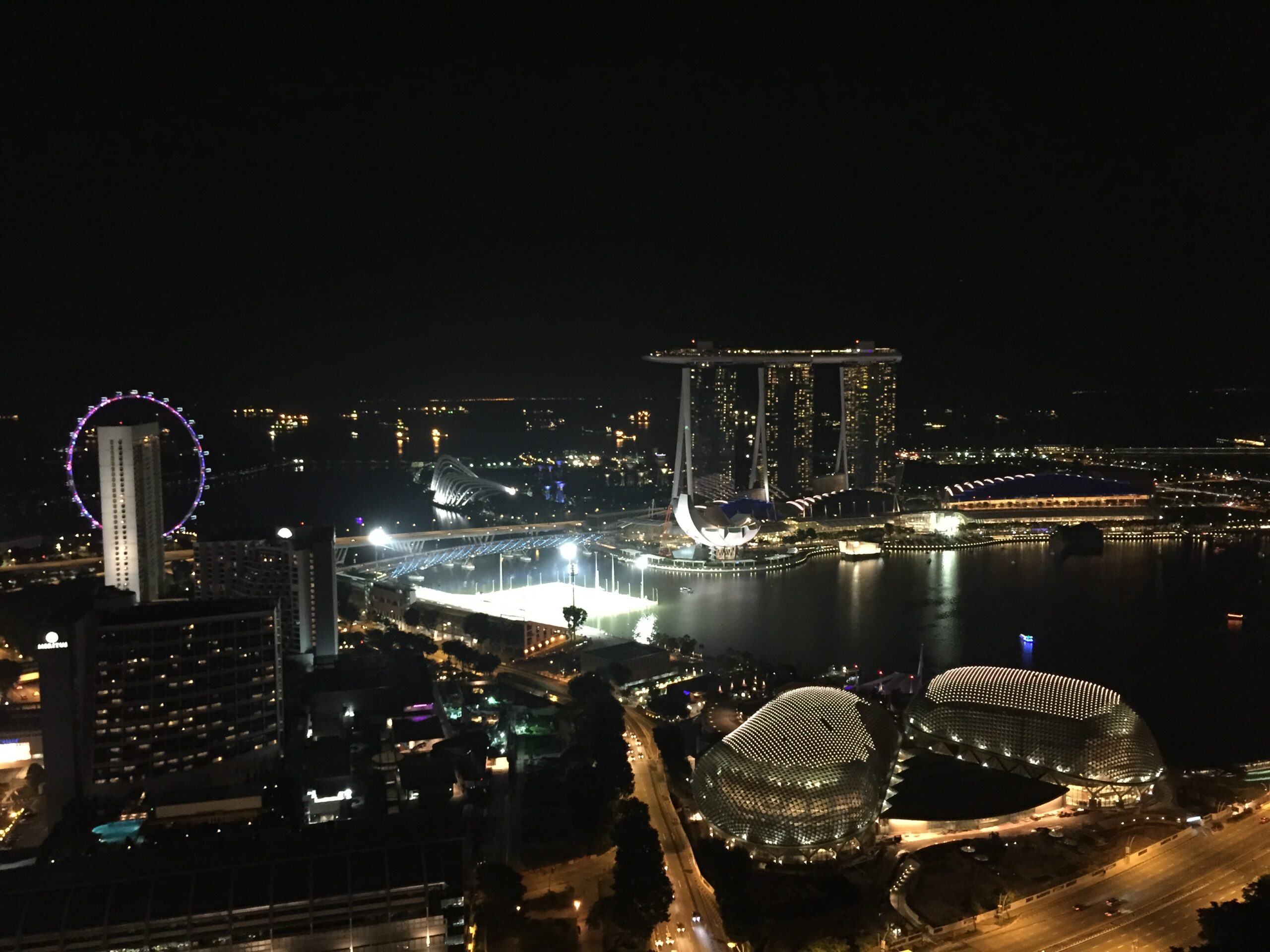
客戶安排的新加坡飯店,就在濱海灣金沙酒店對面

Night view while working in Singapore

Client-arranged hotel in Singapore, just across from Marina Bay Sands Hotel

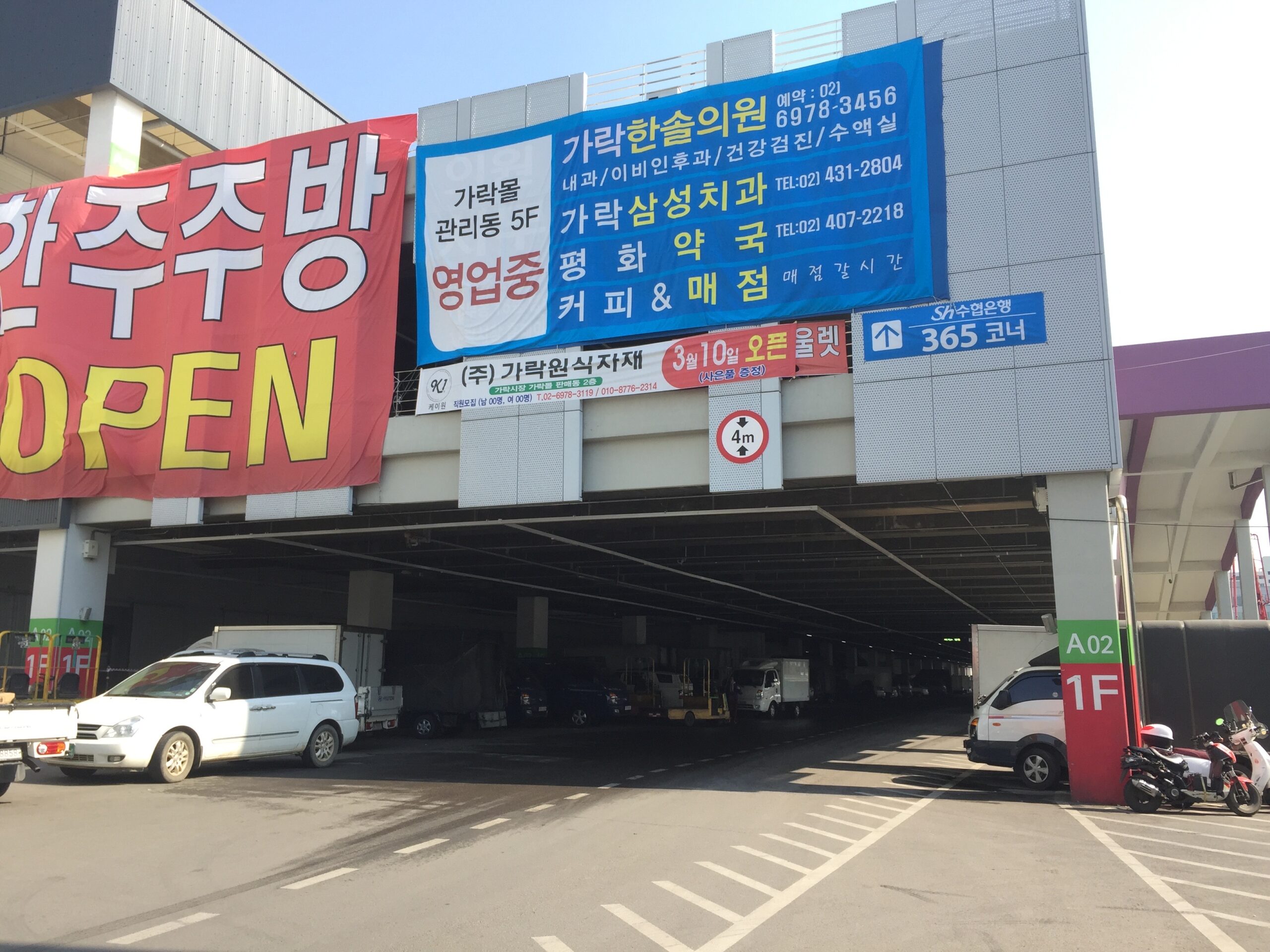
Korea Agricultural Association's market in Seoul, Korea (similar to the Taipei First Fruit and Vegetable Market), at that time and the Korea Agricultural Association (similar to the Taipei Agricultural Products Transportation and Marketing Co., Ltd.) have a cooperation, came to visit, and met with other agricultural products trade.

Tea and the Rhythm of the Road


The rhythm of traveling is sometimes fast and sometimes slow.
Tea, however, always helps me to find the speed of my breath again.

While waiting for the train at the station, I pour out cold brew green tea;
On the way to the mountain, I bring along lightly roasted oolong and slowly brew it in an insulated bottle;
When I return to the hotel in the evening, sometimes I make a cup of black tea in the hot spring and watch the sun slowly set.

Different teas are like different journeys.
Green tea is refreshing and light for departure;
Oolong is warm, a gentle breeze on the way;
The black tea is a gentle finish to the return journey.

Traveling and tea, in fact, both remind us--
Learn to slow down and savor the experience to see more.

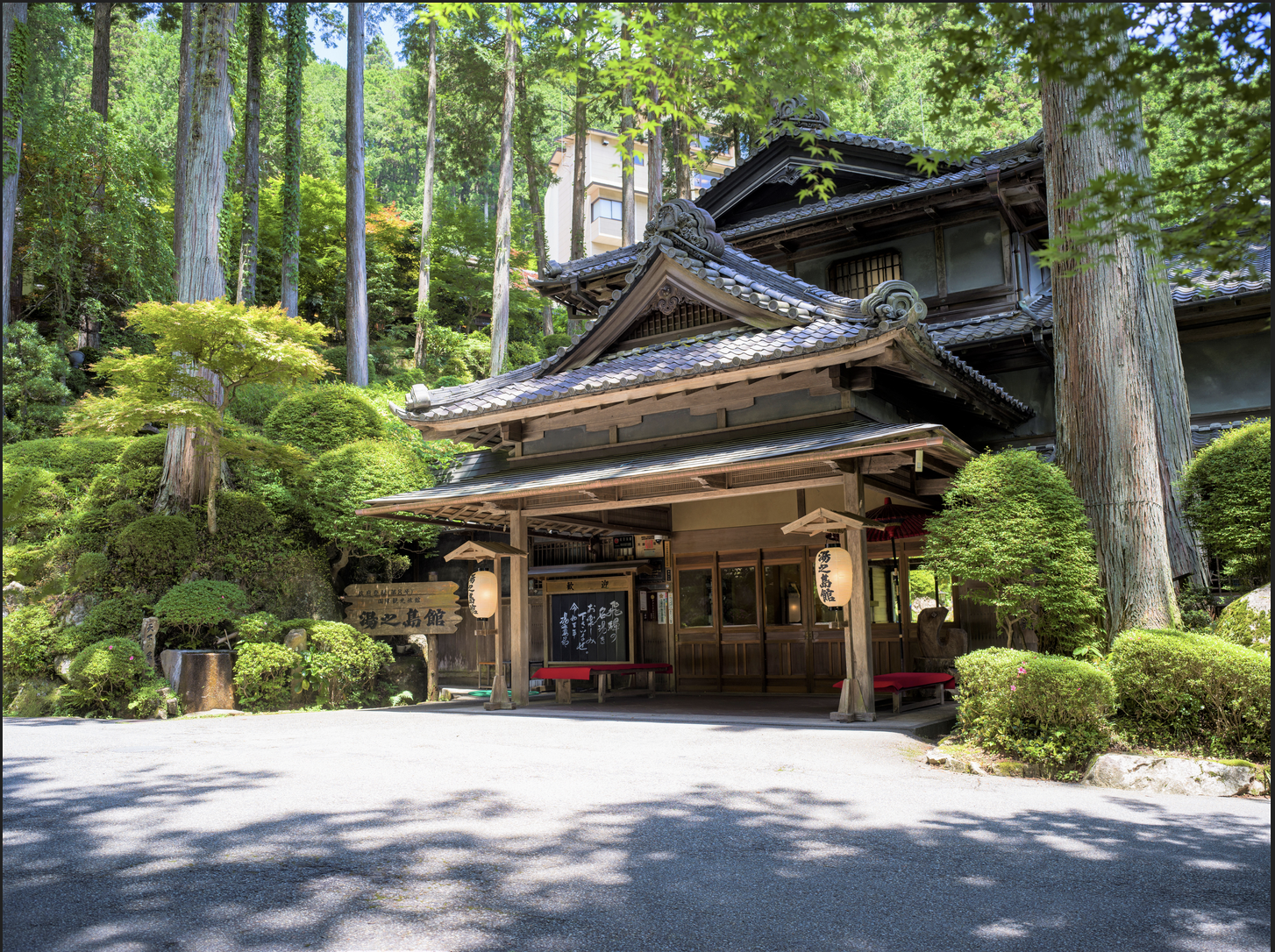
日本三大名泉之一岐阜縣下呂溫泉,昭和六年(1931年)創業,已成立近百年,列名日本國家有形文化財,依著一座山而建,四週圍繞著數百年巨木的「湯之島館」

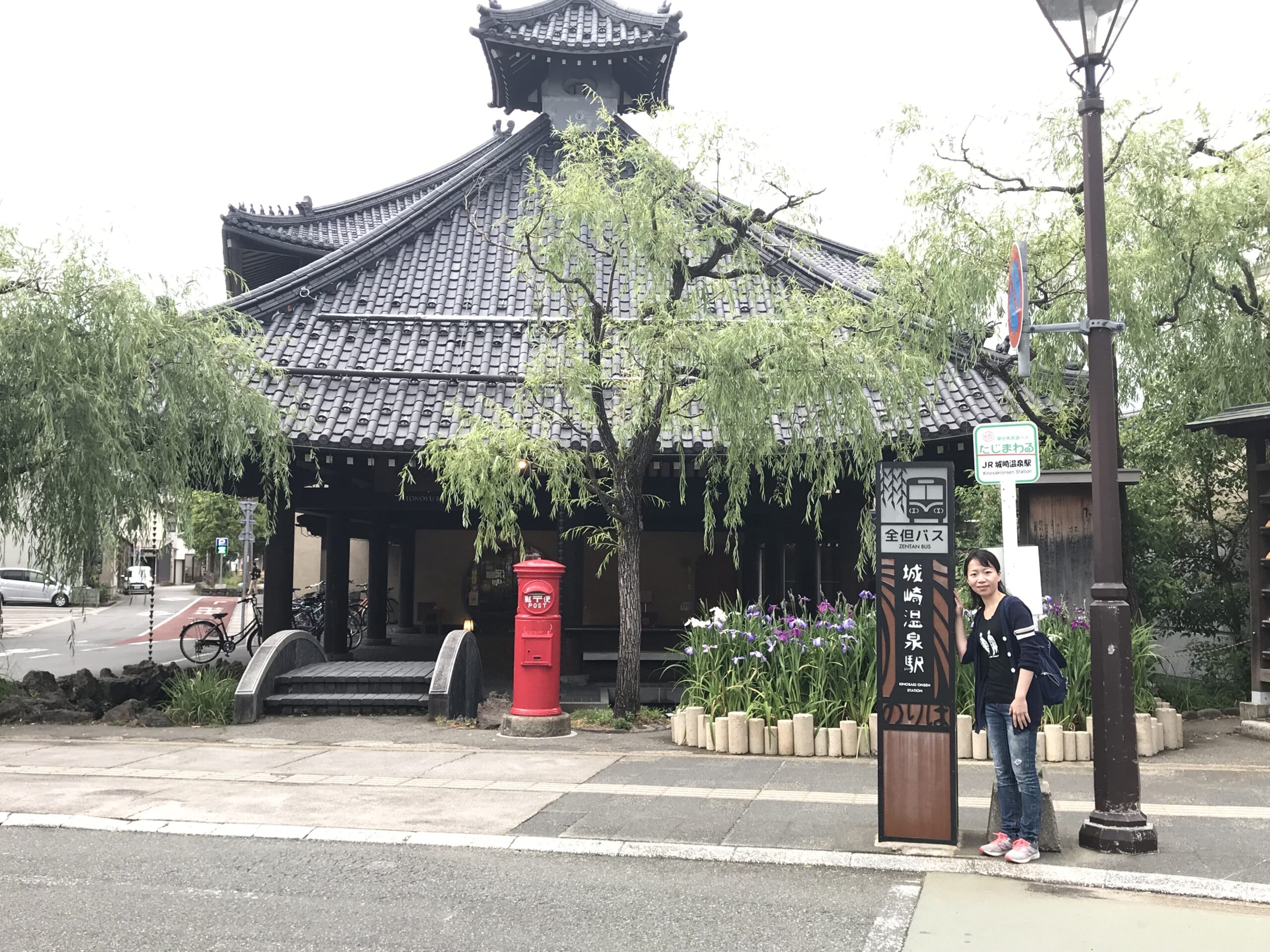
The 1300-year-old Josaki hot spring area station in Toyooka City, Japan, is always crowded with yukata-clad people going to and from the seven baths in the hot spring area in the evening.

Gero Onsen in Gifu Prefecture, one of the three most famous hot springs in Japan, was founded in 1931 and has been established for nearly 100 years. Listed as one of Japan's National Tangible Cultural Properties, it is built on a mountain surrounded by centuries-old giant trees called "Yunoshima-kan".

The 1300-year-old Josaki hot spring area station in Toyooka City, Japan, is always crowded with yukata-clad people going to and from the seven baths in the hot spring area in the evening.

日本三大名泉之一岐阜縣下呂溫泉,昭和六年(1931年)創業,已成立近百年,列名日本國家有形文化財,依著一座山而建,四週圍繞著數百年巨木的「湯之島館」

Gero Onsen in Gifu Prefecture, one of the three most famous hot springs in Japan, was founded in 1931 and has been established for nearly 100 years. Listed as one of Japan's National Tangible Cultural Properties, it is built on a mountain surrounded by centuries-old giant trees called "Yunoshima-kan".

The Freedom of Driving and the Meditation of Tea


I especially like driving.
This is true in Taiwan as well as abroad.
The reason is simple: freedom.


To be able to stop and look at an old tree, to enter a monastery, to walk down an alley.
These random turns often become the most unforgettable scenery.

Once I stopped at the tea pavilion by the monastery to have a cup of tea and watch the monks prepare for their evening classes;
Another time, I opened a thermos and poured out hot tea on a country road, watching the sun set over the rice paddies.

The most special one was the time when I accidentally passed by a crucial scene in Japanese history--
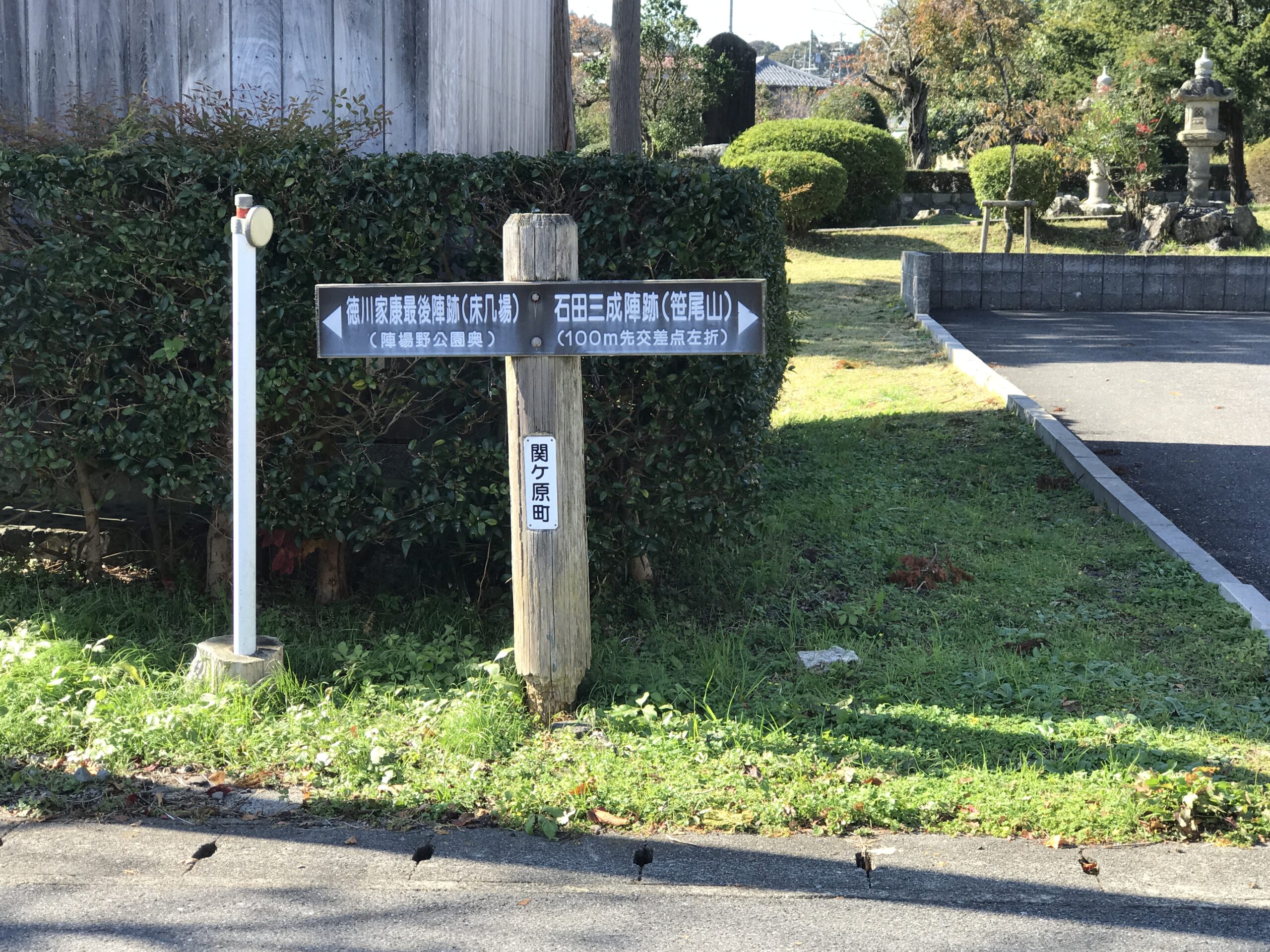
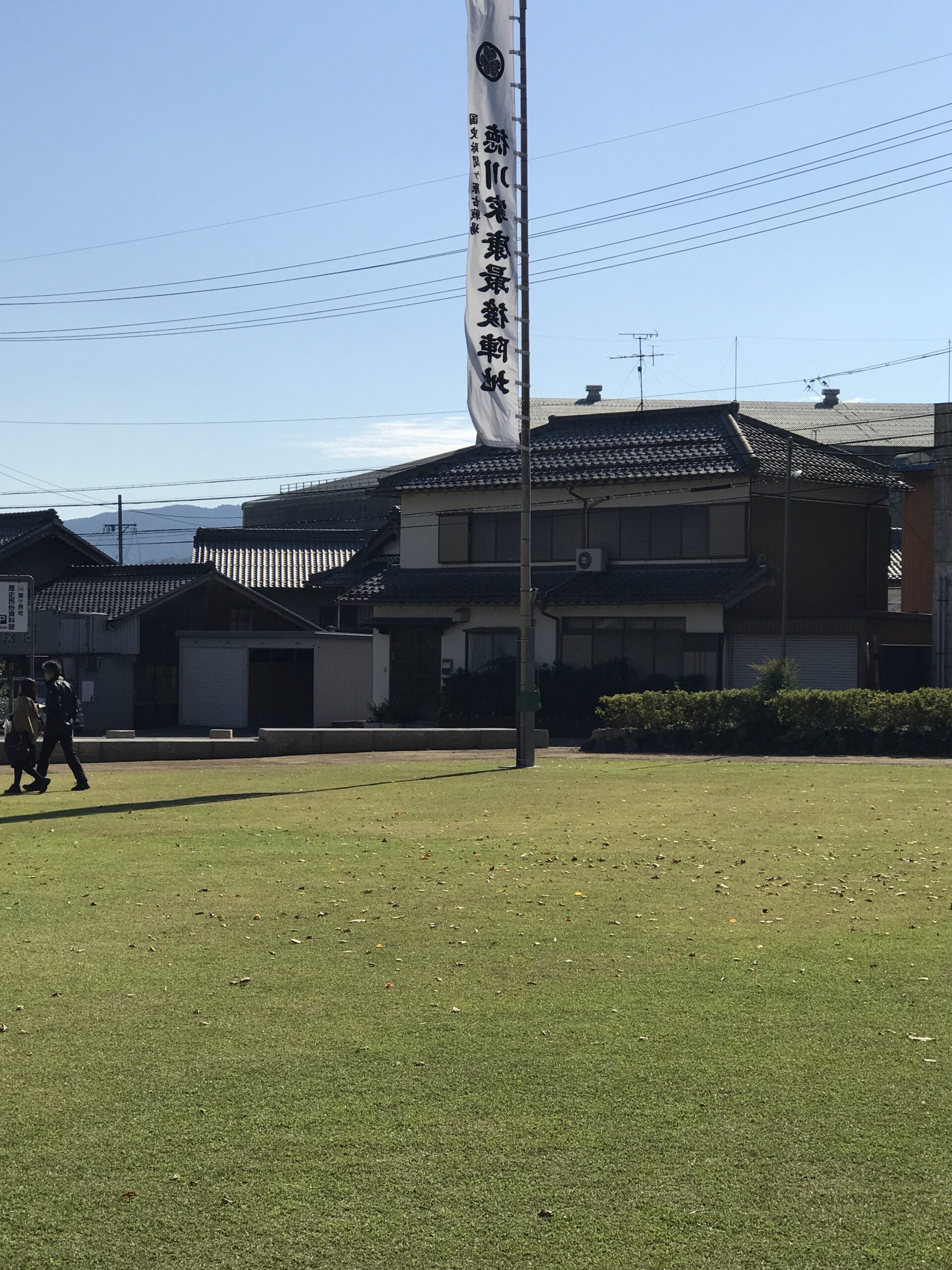
The Battle of Sekigahara, an ancient battlefield that was a turning point in Tokugawa Ieyasu's 265-year Edo Shogunate rule.                                                     

I sat on a stone chair by the roadside and slowly opened the Tieguanyin tea in my hand.
The moment the tea enters the mouth, the fragrance is unmistakable and the aftertaste is long, as if you can taste the change of an era.


Ieyasu Tokugawa's strategy and courage came to mind, as did Ishida Mitsunari's loyalty to the Toyotomi family and his resentment at being defeated.                                                       

That cup of tea is more than just tea.
It connects the dust of history, and it allows me to realize in the present--
Honor and defeat, are just the flow of time; and tea, always peaceful in the world.
Traveling frees the body, while tea settles the mind.

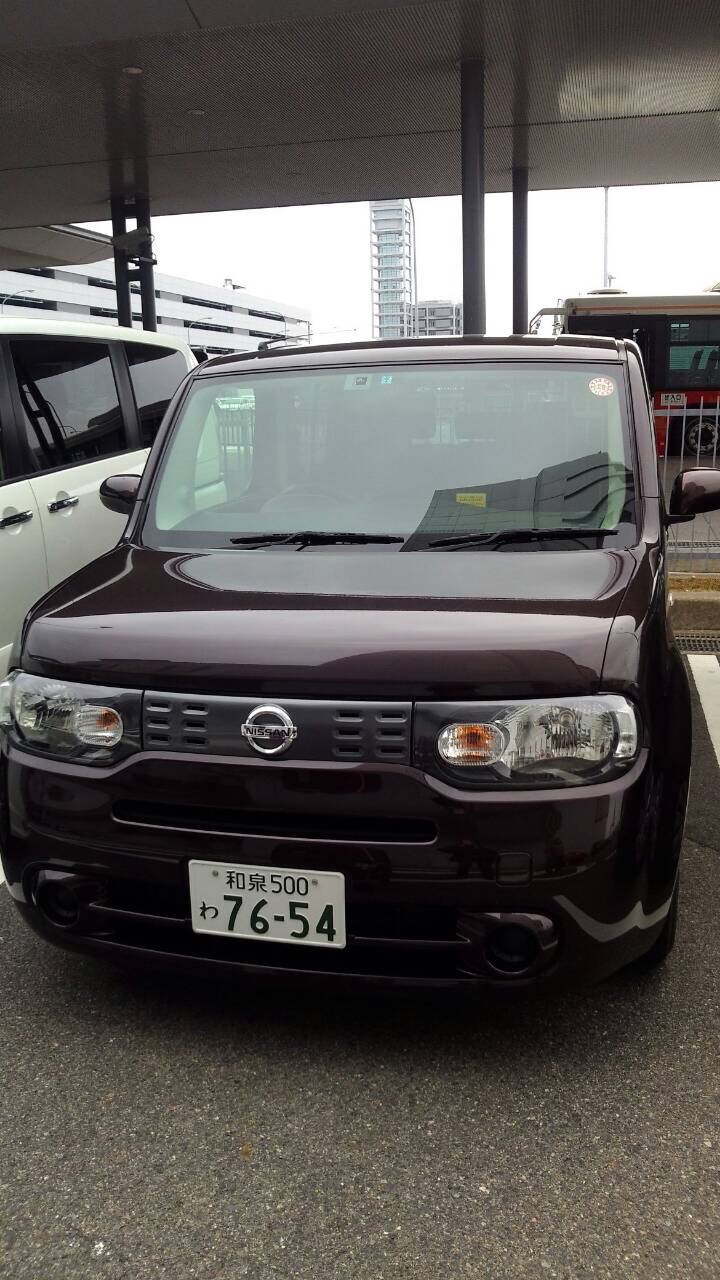
在日本自駕的輕型小座車,好開,空間又設計超方便放行李

A lightweight small car for driving in Japan, easy to drive, and the space is designed to be super convenient for luggage.

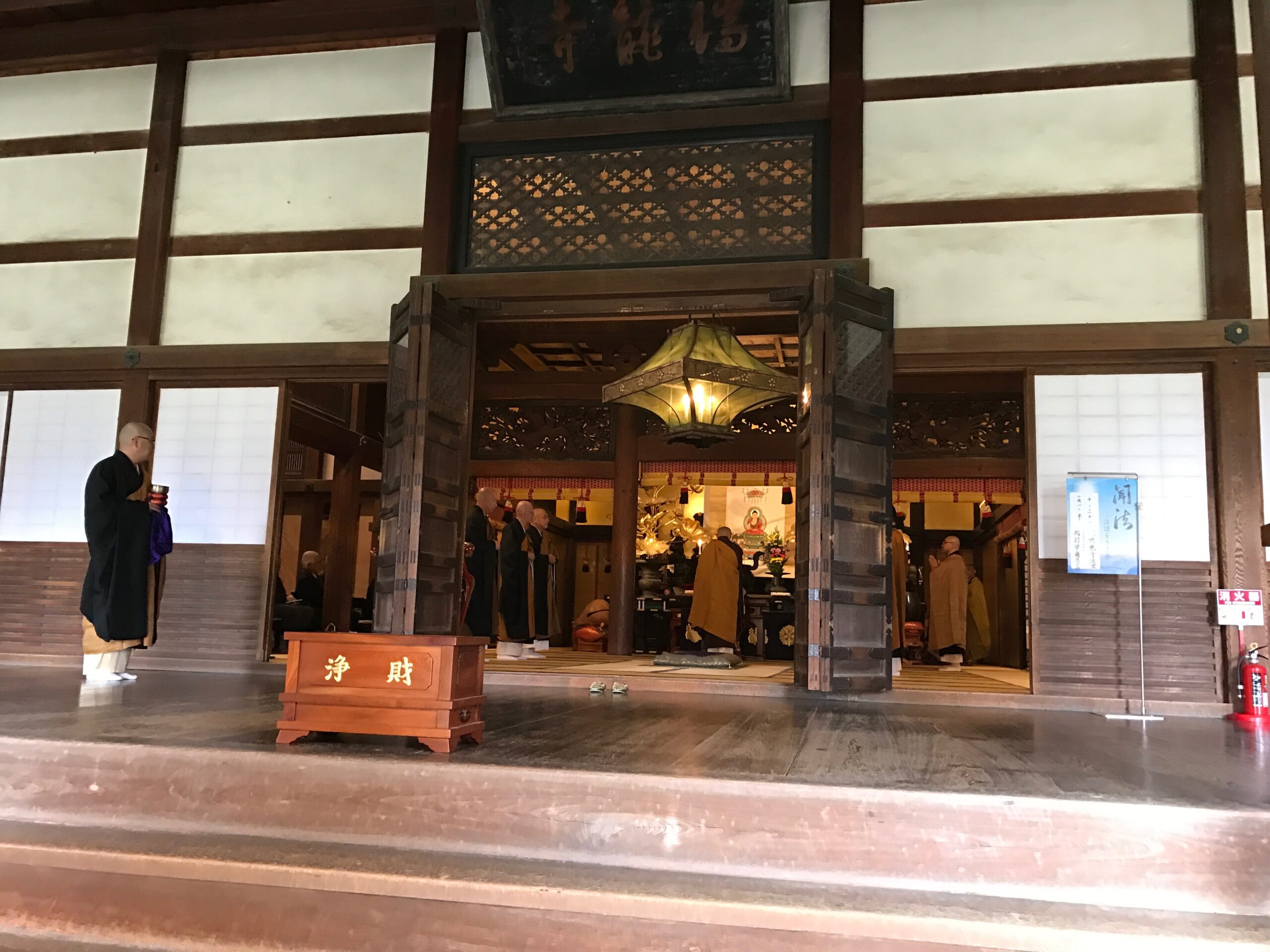
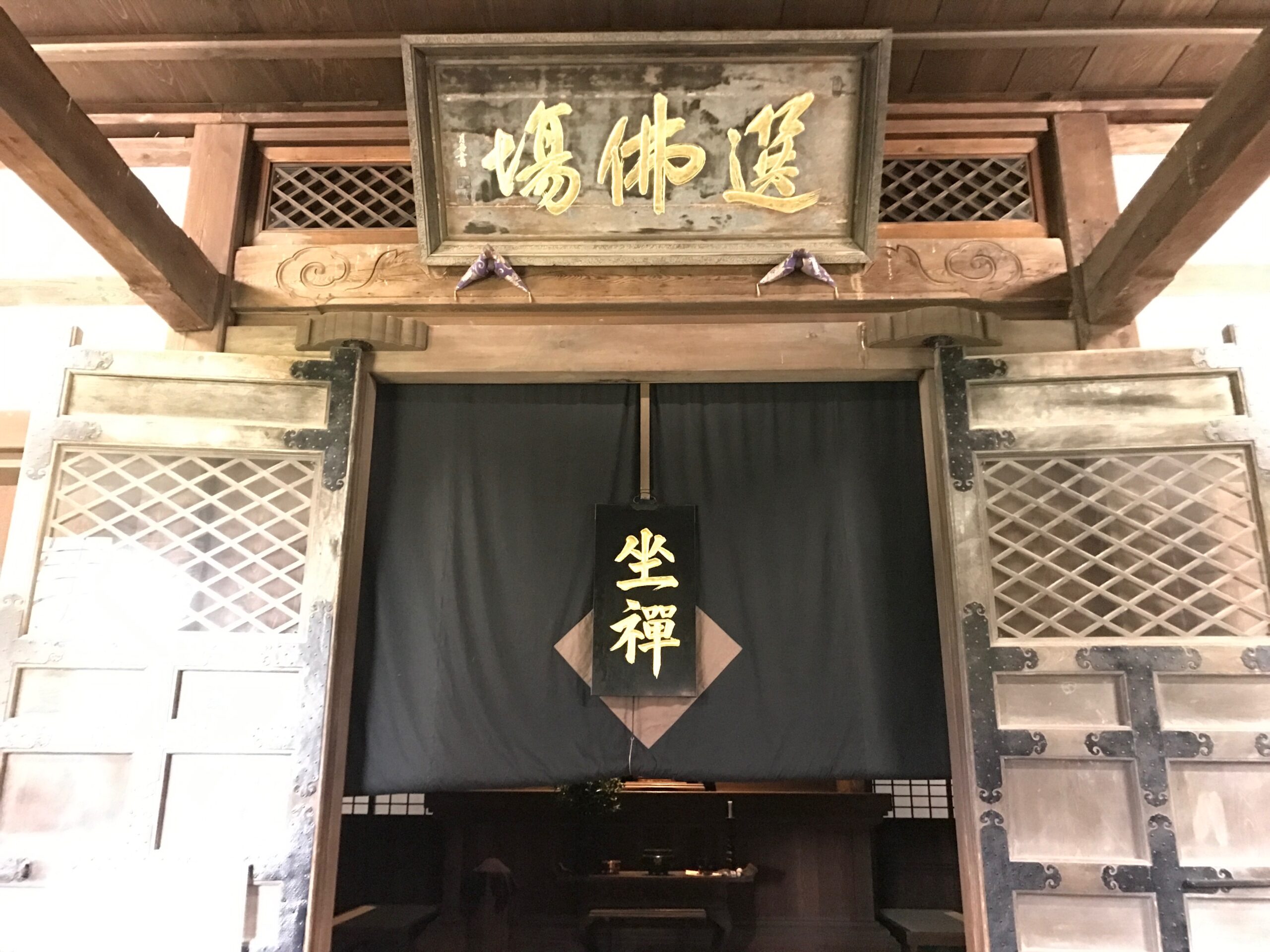
On the way to Noto Peninsula, I passed by a temple called "Shui Long Monastery" and met the monks who were preparing for the evening class and meditation.

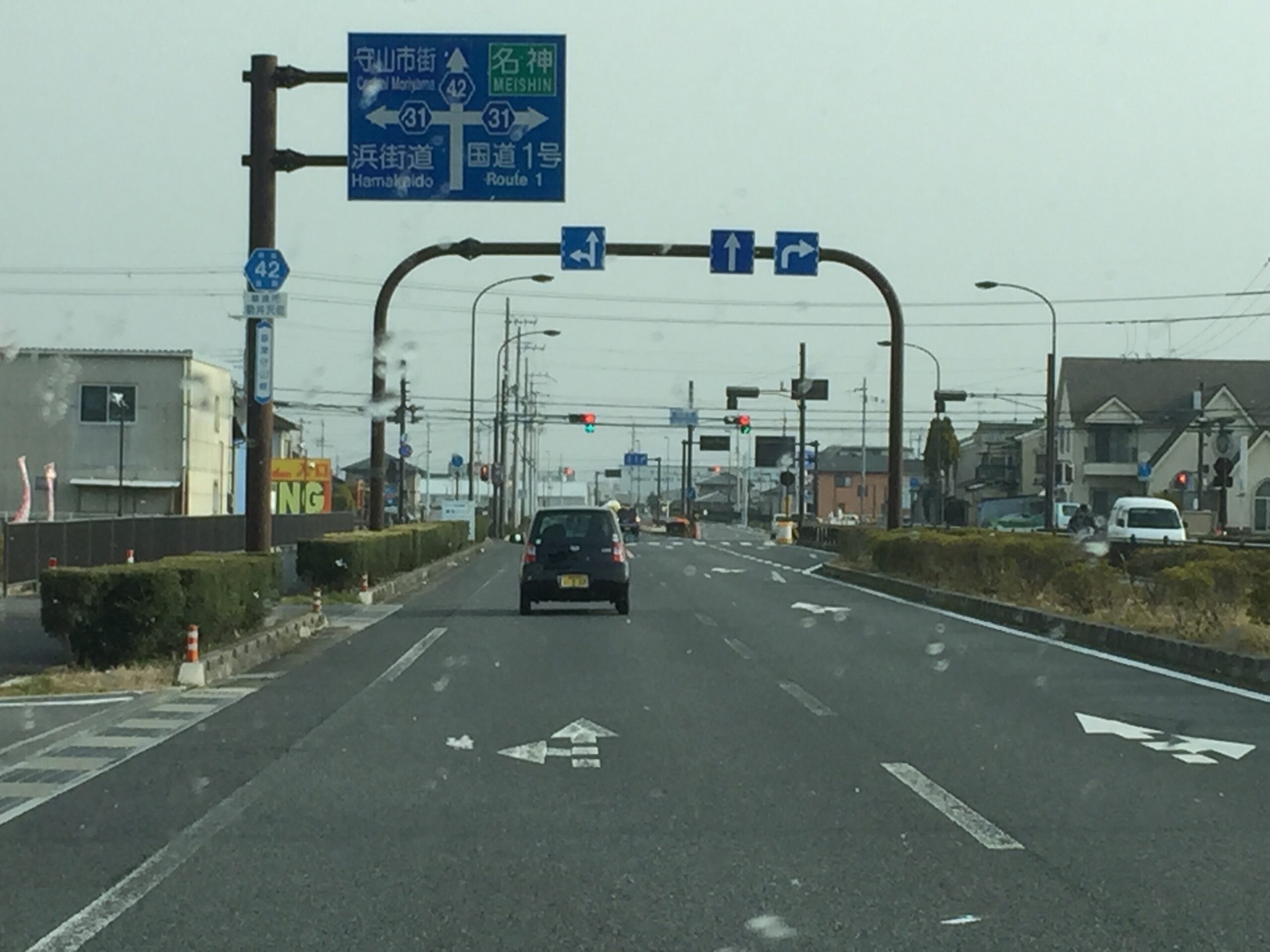
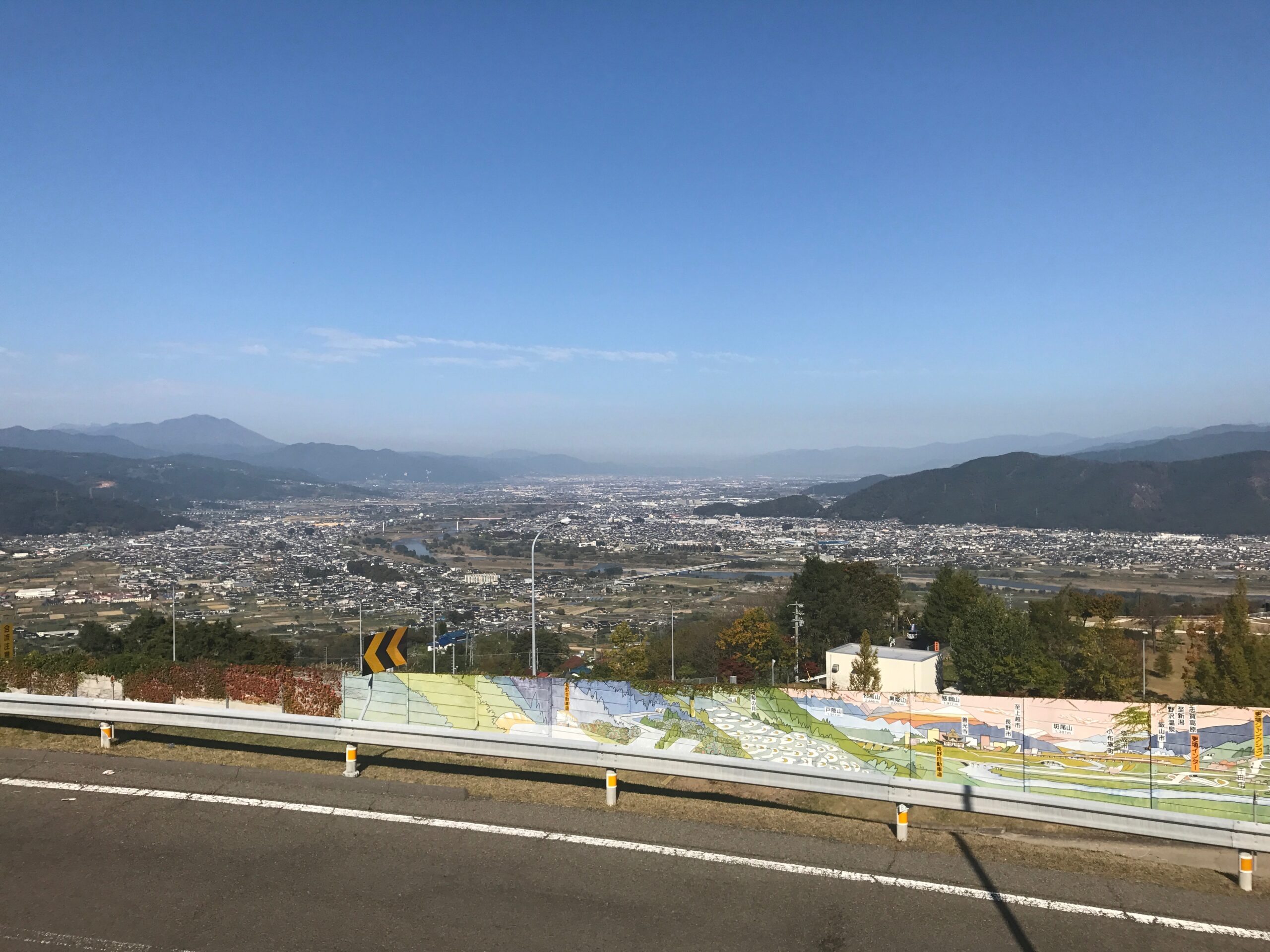
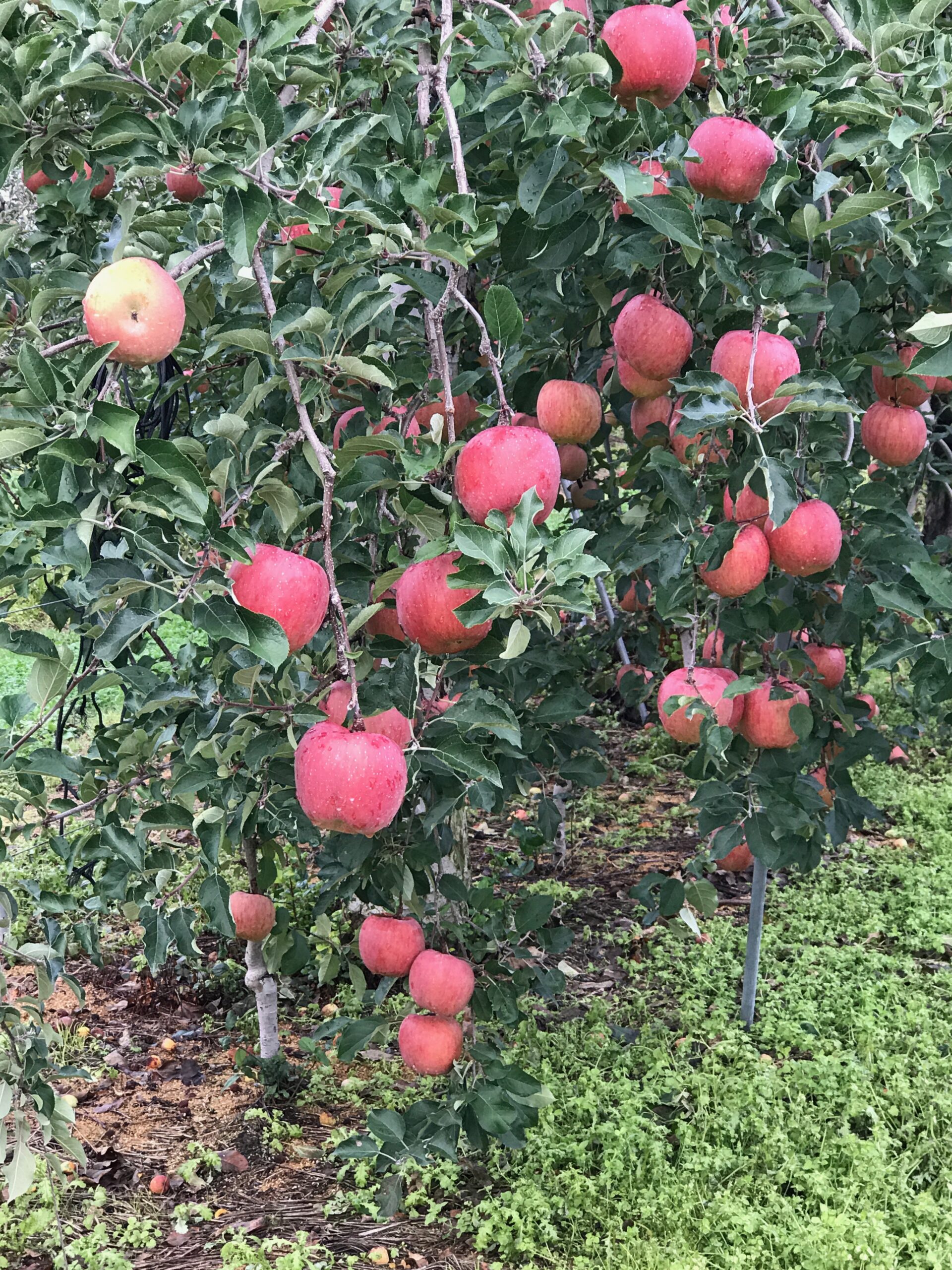
Driving on the highway from Nagano Prefecture to Matsumoto City, I passed by rest stops and Japanese apple orchards.

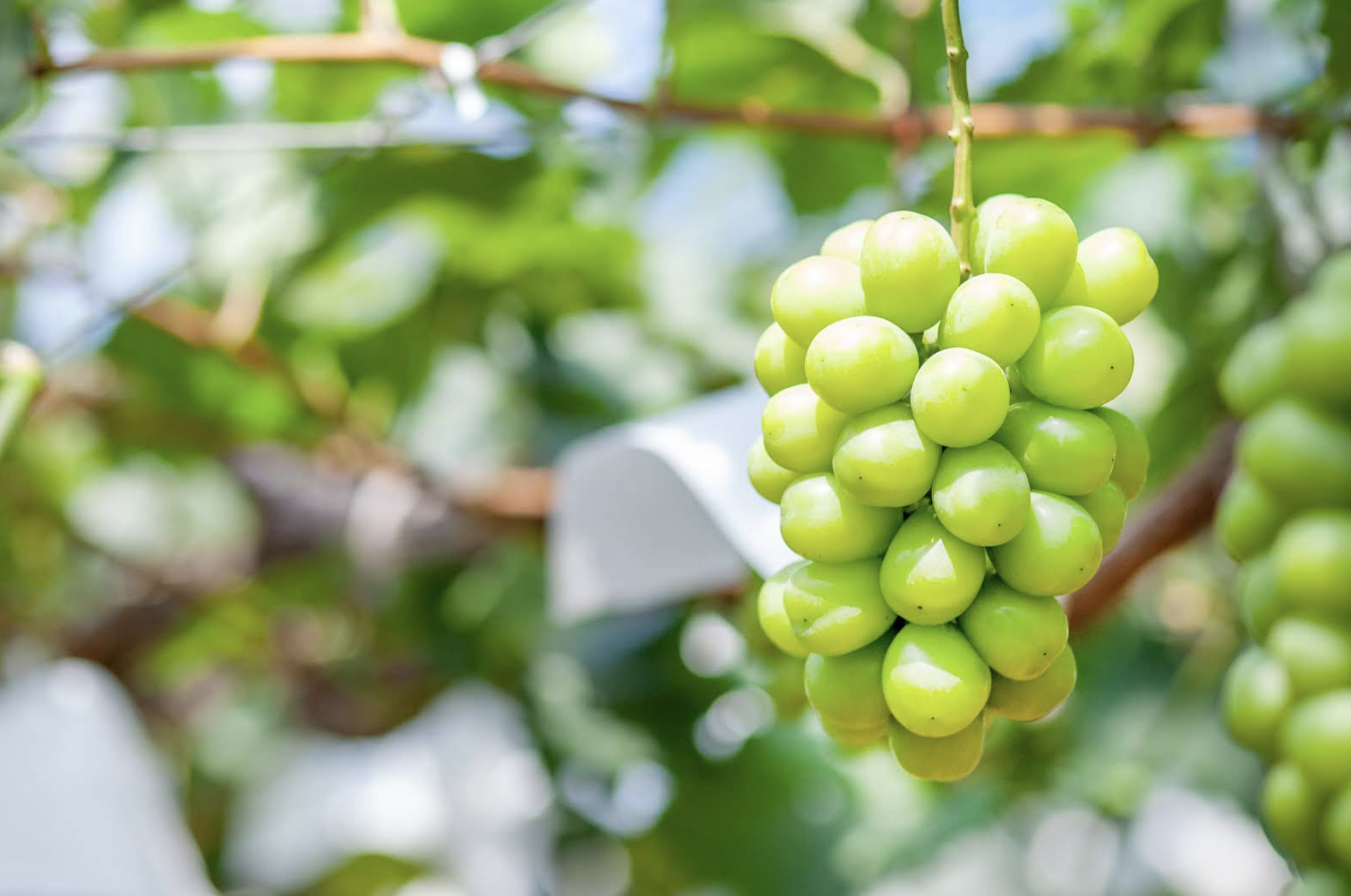
Drive through Okayama Vineyard, the home of Japanese muscat grapes.

After visiting Oda Nobunaga's Gifu Castle in Gifu Prefecture, the belt loam off was going to Uniqlo to buy a belt, and saw the remains of the Battle of Sekigahara, one of the most crucial battles of the Tokugawa Ieyasu era that ended the Toyotomi Hideyoshi era, and then created the 265-year Edo Shogunate era, and drove in right away.

Tea stores everywhere are the most familiar and unfamiliar corners of the journey


The more I walked, the more I realized:
Whenever I see a tea store, no matter how rushed I am, I always want to go in and have a look.

In Japan, Kobe, Osaka, Kyoto, Nara and Noto Peninsula;
In Penang, Malaysia;
A street teahouse in Chengdu, China;
Even in the small town coffee streets of Europe.
There are always one or two small, unassuming tea shops that attract me to stop.

Some tea stores are quiet and quaint, and their owners are gray-haired old men.
When he makes tea, he is so consistent that even the gesture of pouring water is like the flow of time.
Some teahouses are young and trendy, displaying tea wares and packaging from different countries.
However, it still retains the same care and respect for making tea.

I love those moments.
Sitting in a corner of a strange city, watching tea smoke.
Whether we speak the same language or not, tea can always help us connect with each other.                                                                                            

Perhaps this is the best part of traveling.


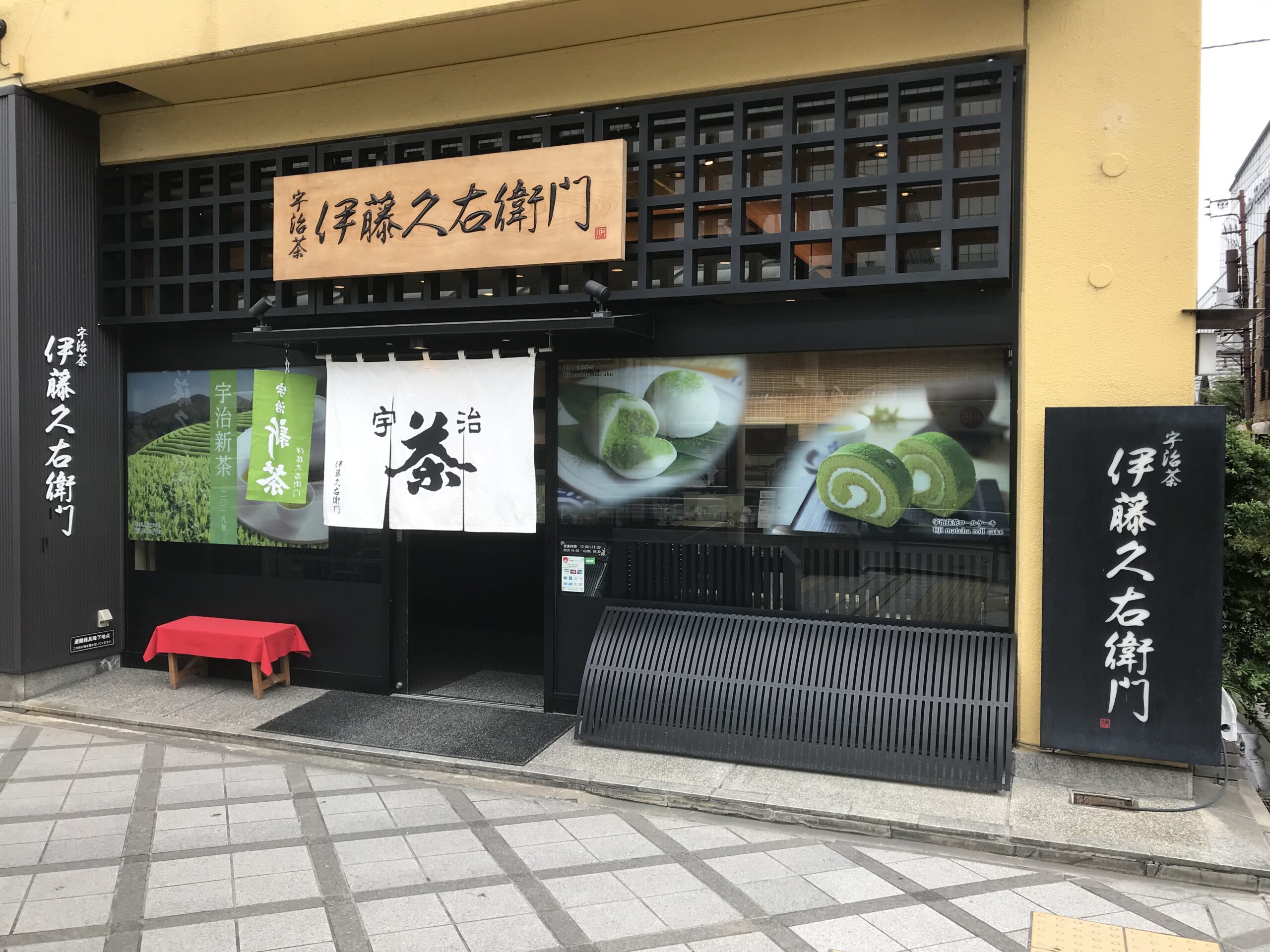
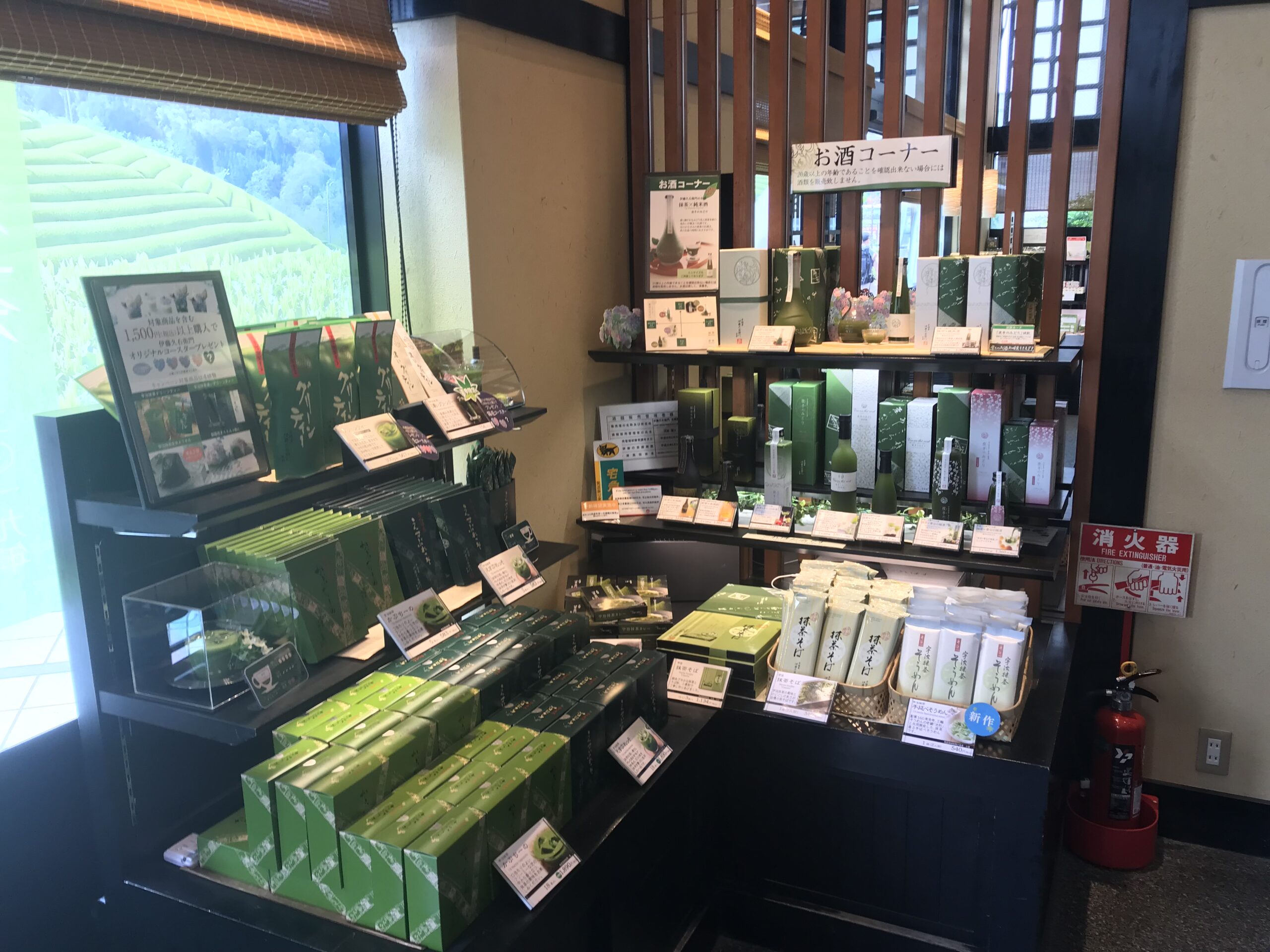
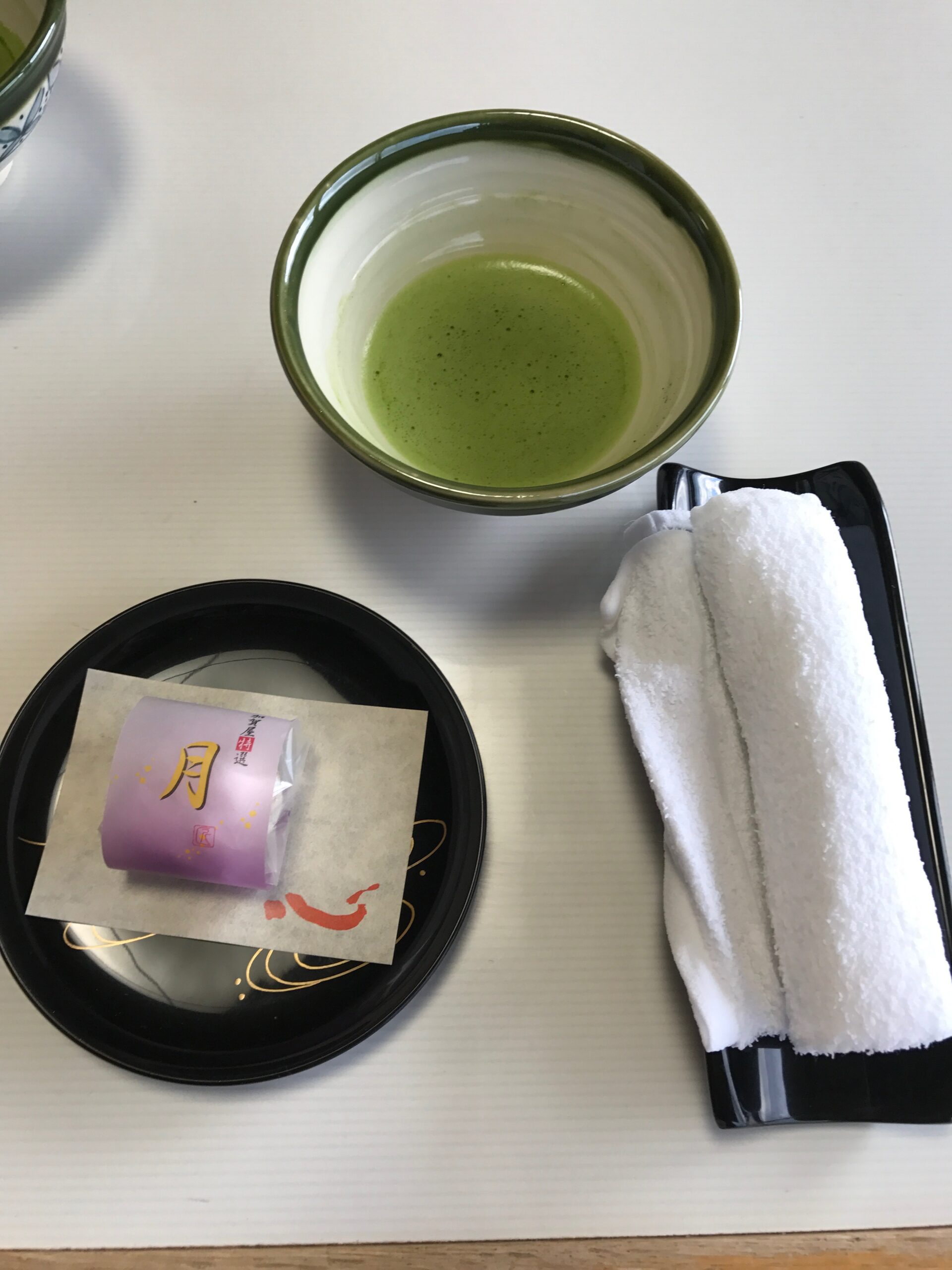
Uji Chamon City, Itojyuemon Uji, Nara, Japan.

Nara Itojyuemon Uji Tea Gate Ichiban, Japan.

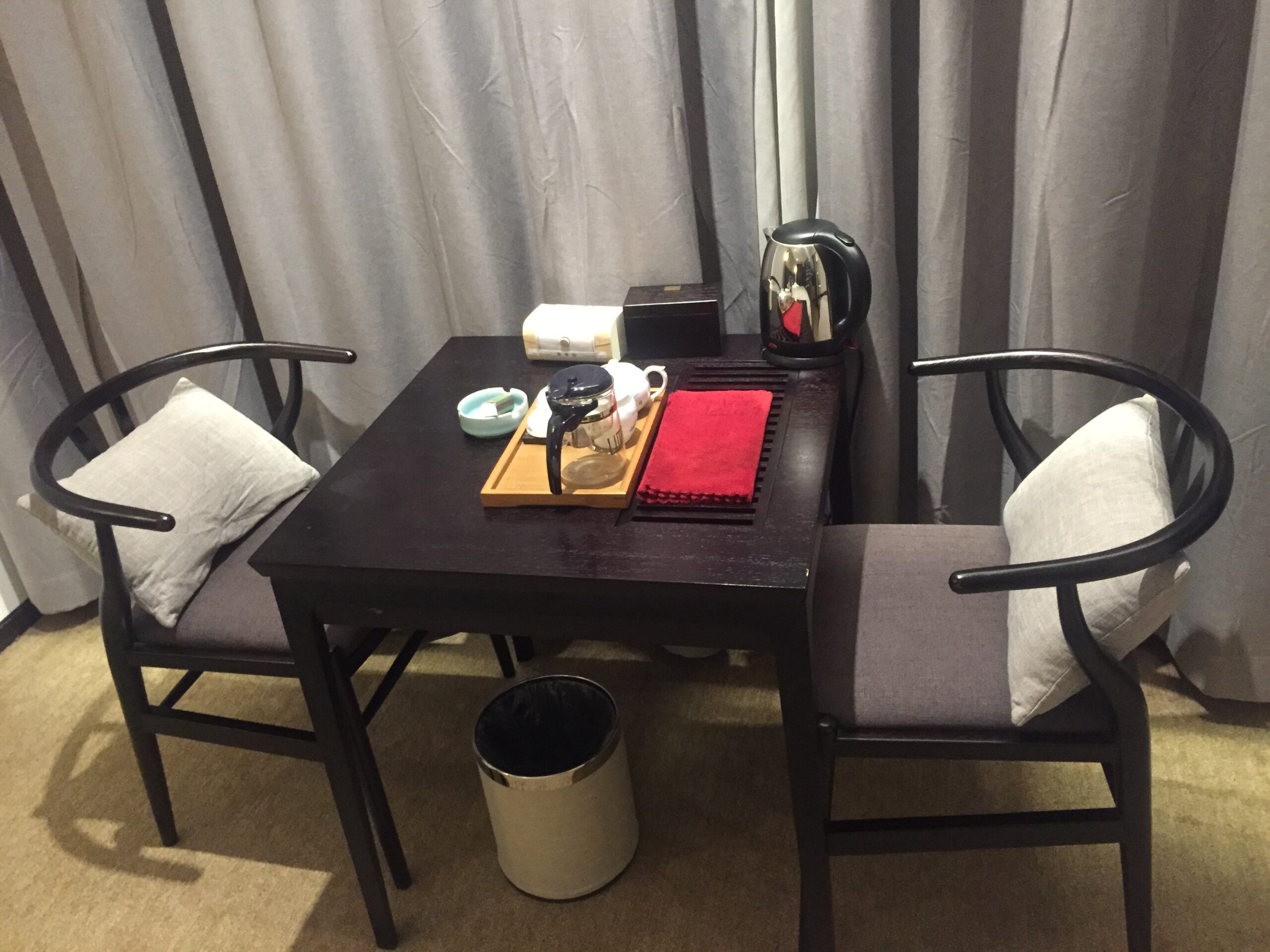
Chengdu, China hotel room set of tea making tea utensils.

Noto Peninsula Kagaya Onsen Hotel Refreshments.

Weight of a packet of tea


Some people ask me, "Why do you always bring tea with you when you travel for business or pleasure?"
I smiled and said, "Because that's my beat."

The bags of tea in my luggage don't look heavy, but they are very heavy for me.
It's not just a drink, it's a habit and a connection.
The smell makes me remember where I came from.

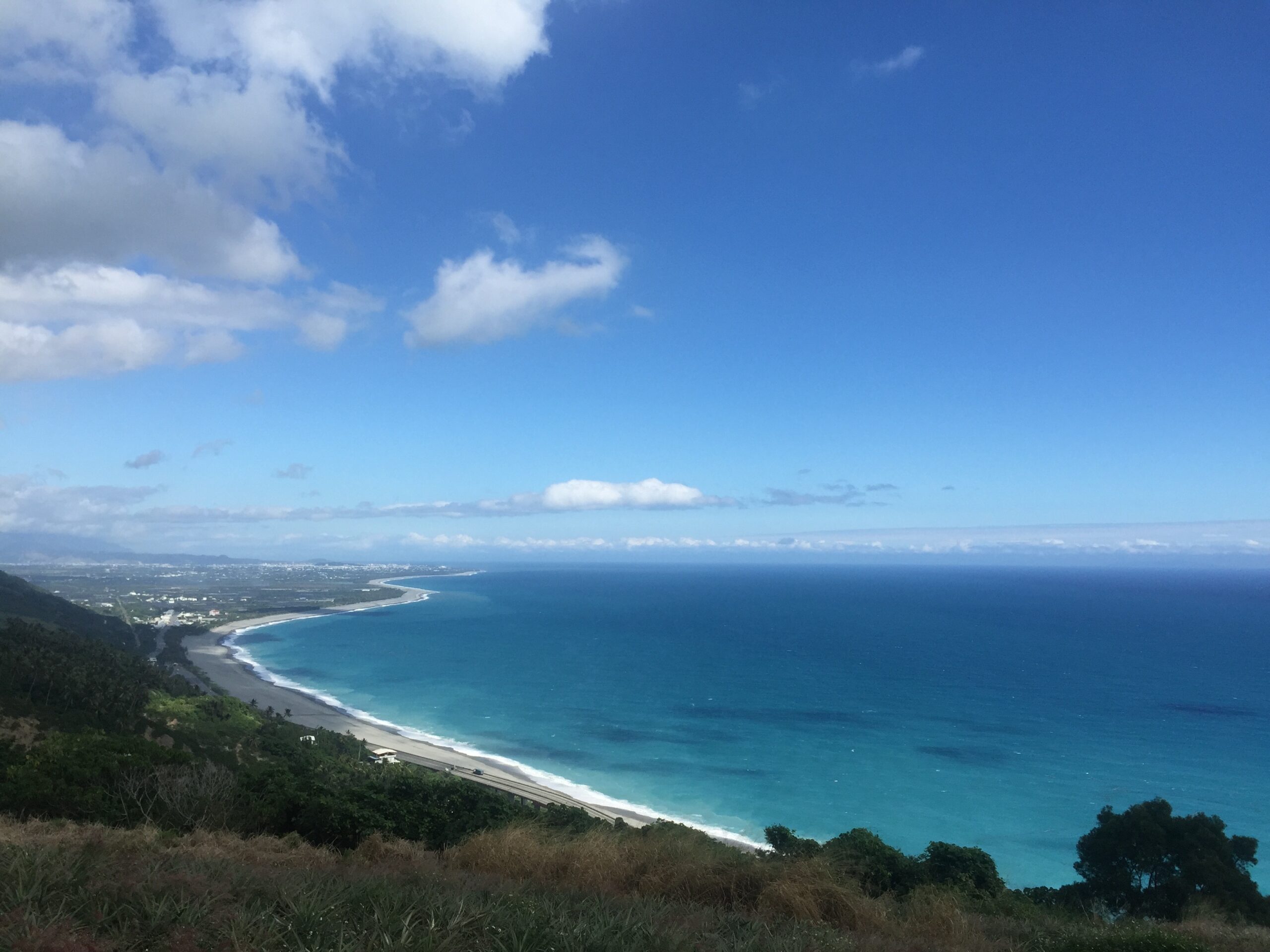
I remember once when I was in Taitung on a business trip, the morning fog was slowly lifting from the mountains.
I took out the packet of Daiyu Ling and made a brew on the balcony of the B&B.
The wind blew, the mist smelled of tea, and the whole morning was quiet.
At that moment I thought to myself:


The most touching moments of traveling are often the distant scenery and the memories woven into the cup of tea in your hand.


Tea makes memories smell good


A long time later, when I opened the packet of Dayu Ling again.
It's not the taste of tea that comes to mind.
It was the mountain breeze, the clouds, the quietness of the day.

In this way, tea collects the flavor and memories of the journey.
Sometimes it's the coolness of an afternoon thunderstorm;
Sometimes it's the salty wind off the beach;
Sometimes it's just the laughter of your traveling companions and the warmth of a hot cup of tea.

Tea not only carries the aroma, it also carries a collection of life moments.
Every time I re-brew that pot of tea, it's a look back.


Tea and travel are both processes of sweetness.


Traveling has allowed me to see so many places and meet so many people.
There are busy harbors and quiet mountains;
There are bazaars where you can talk and laugh, and monasteries where you can clear your mind.

But wherever there is tea, I can be quiet.

Tea has taught me to be "quiet" and traveling has taught me to be "active".
The silence and the movement are just like the rhythm of life.

When I founded Three Drinks, I thought about the journey over the years--
It turns out that tea has always been in my life.
It's not just the flavor, it's the faith that travels with me through the world.


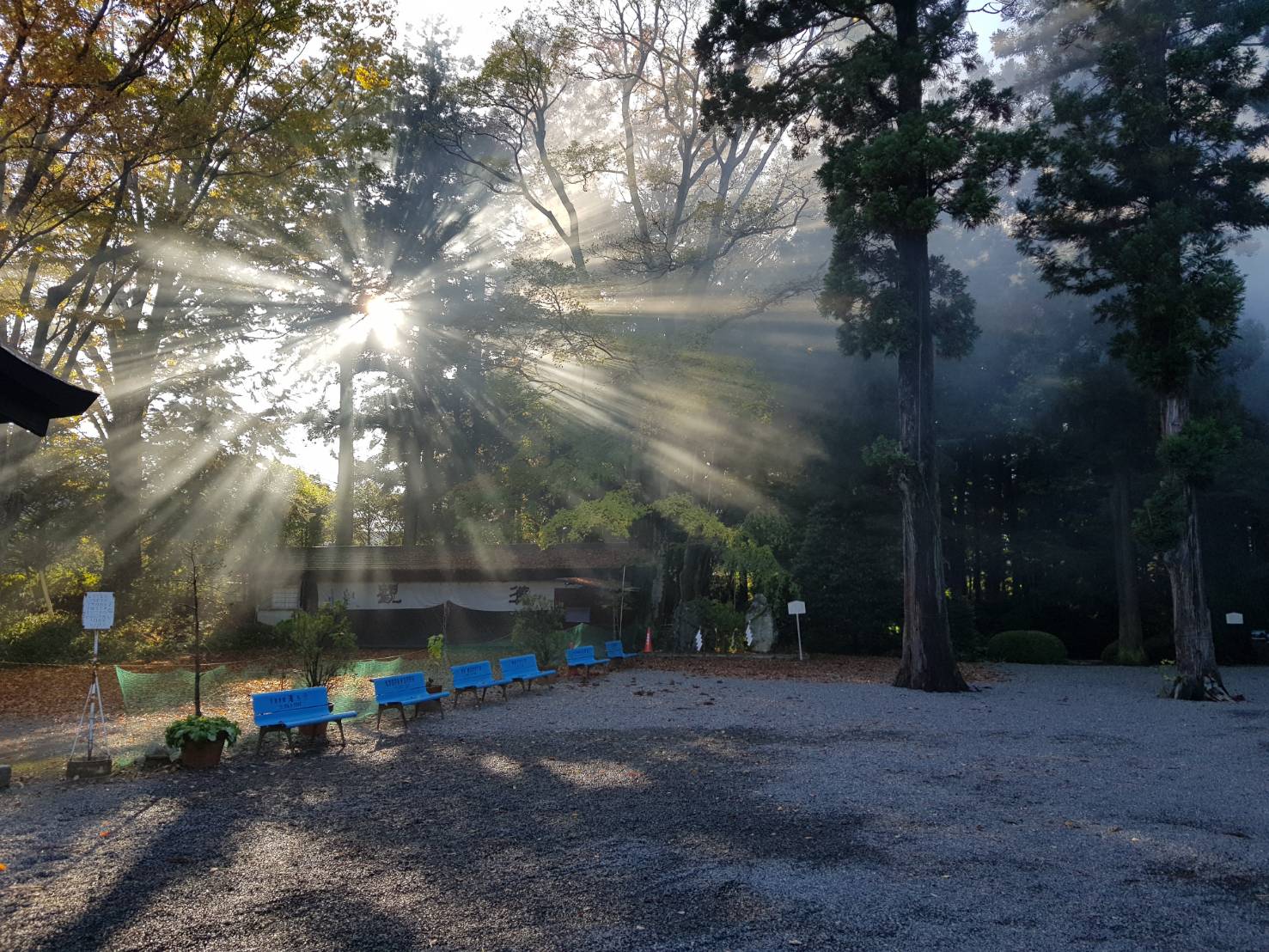
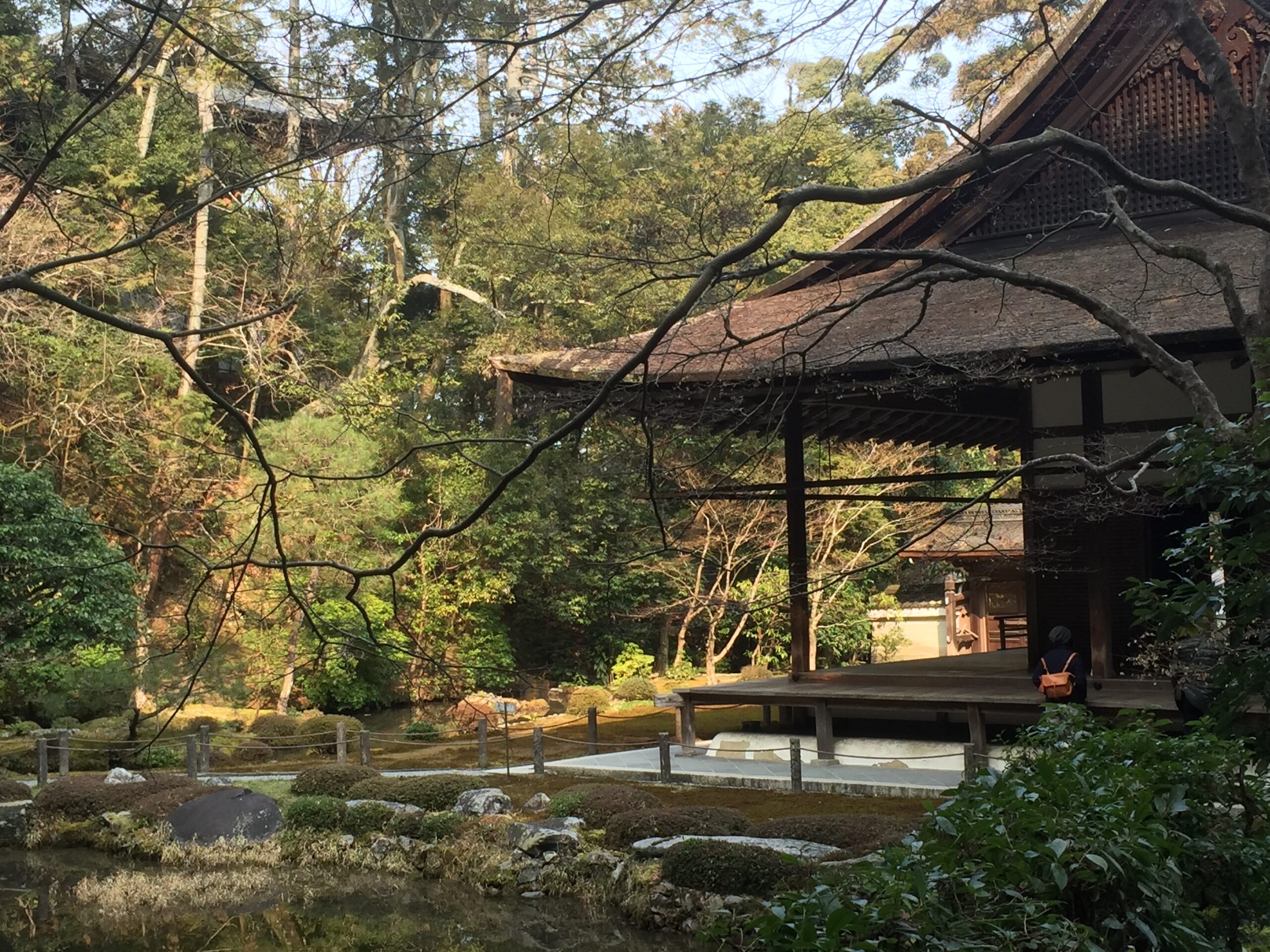
A view from the garden of a Japanese shrine

Conclusion


Sometimes I think traveling is like a pot of tea.
It was a hot and exciting time when it was first released;
The journey is flavored with twists and turns;
And the moment I returned home, the tea, though slightly cold, was even more fragrant and deeper.

Tea and traveling have both taught me one thing:
The farther away the world is, the closer the heart must be.
And that way of being close.
Sometimes it's just a quiet cup of tea.

📜
"Traveling lets me see the world; tea lets me see myself."-- Three Drinks Hall

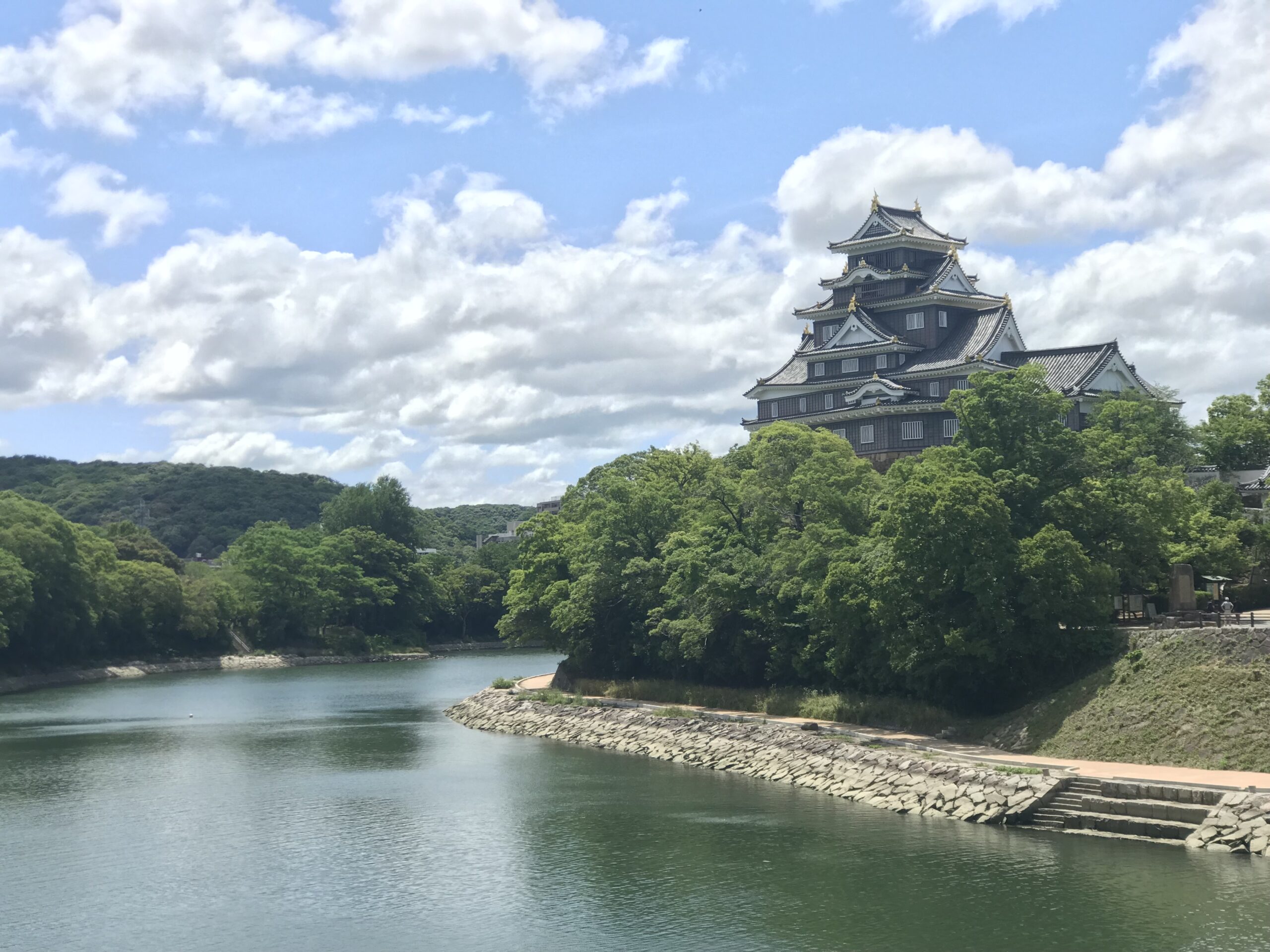
Okayama Castle and moat.

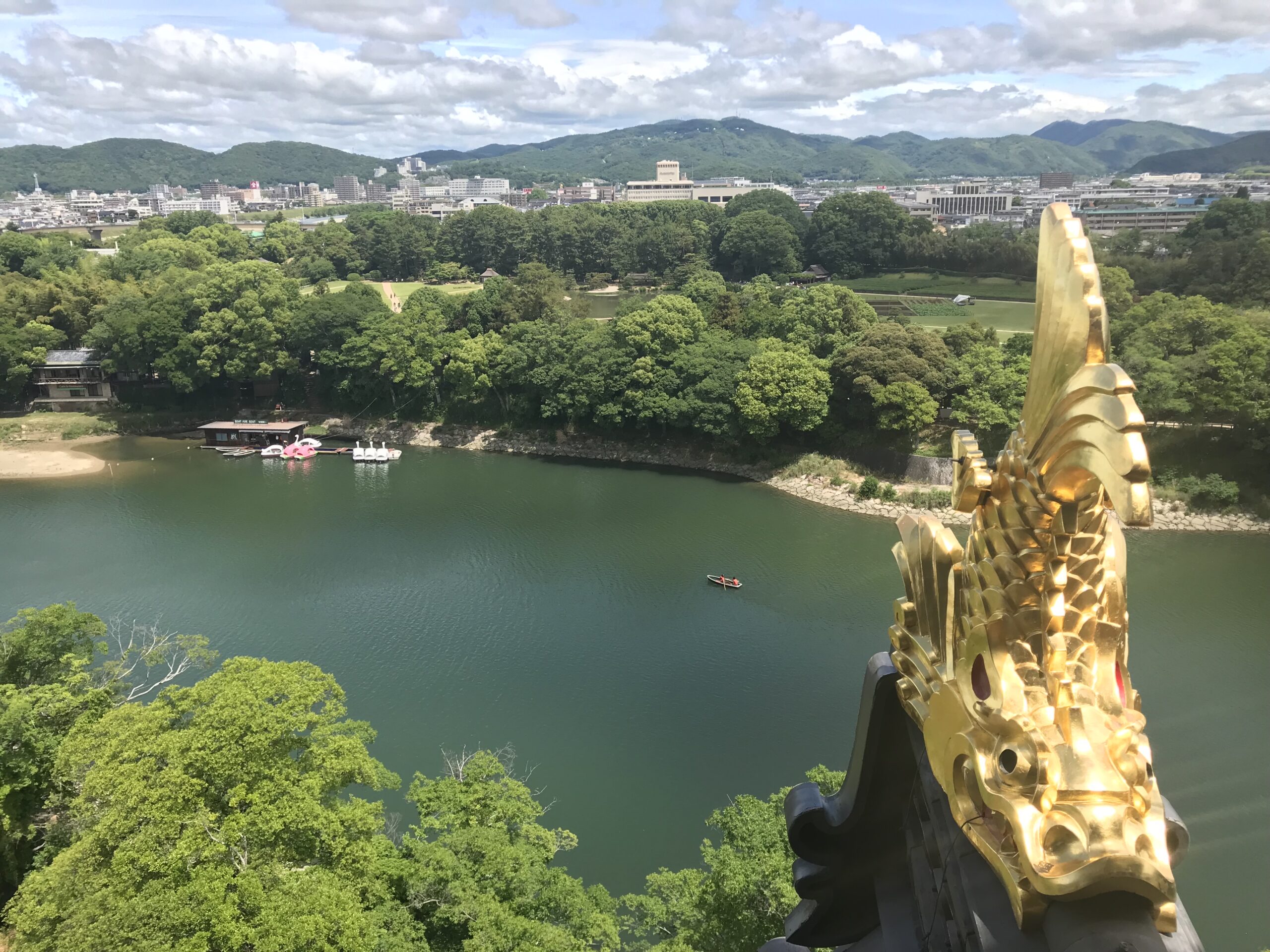
A view of the Okayama area from the castle tower of Okayama Castle.

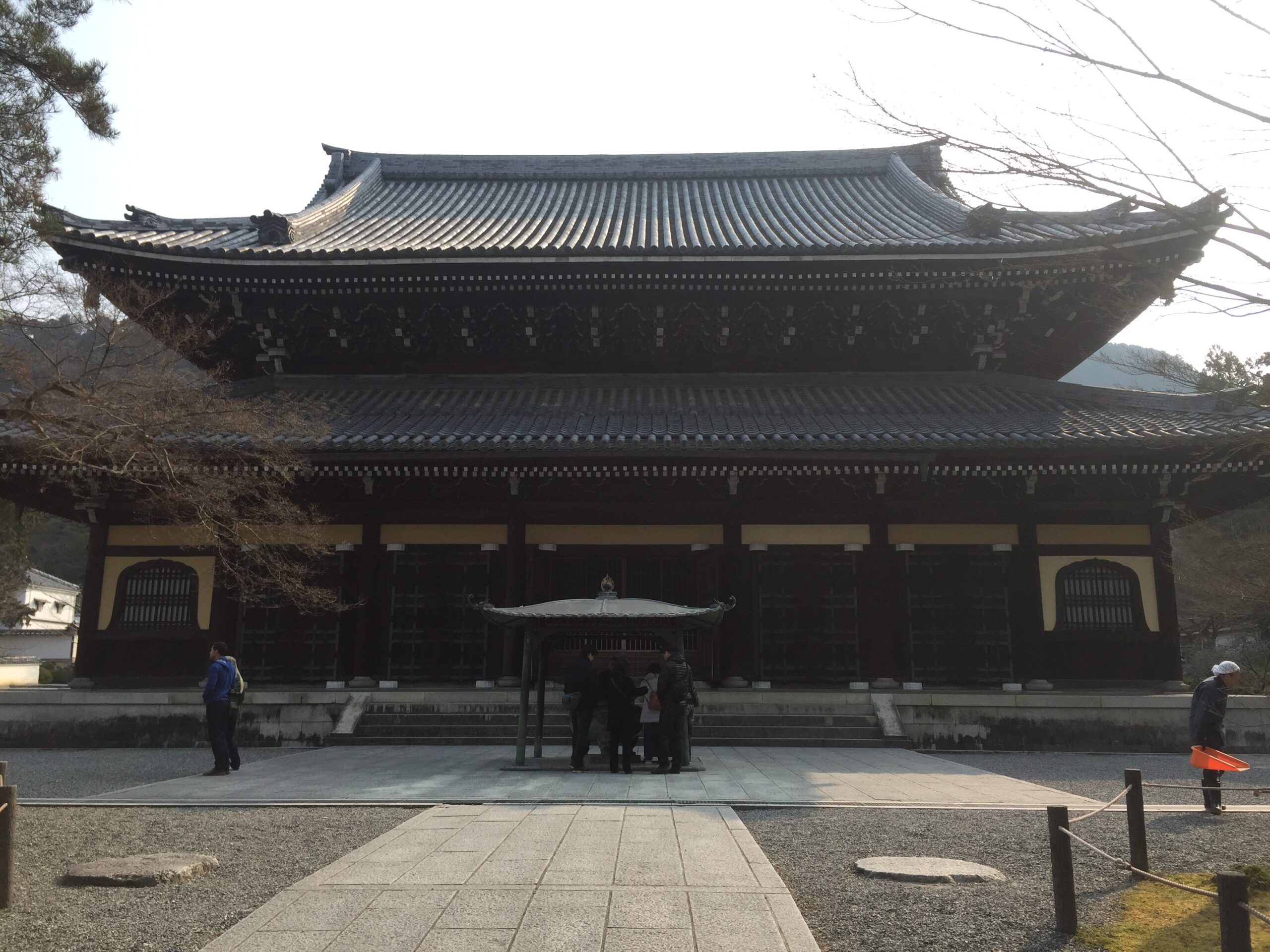
Nanzenji Temple, the highest temple of Zen in Japan.

Southern Ch'an Monastery.

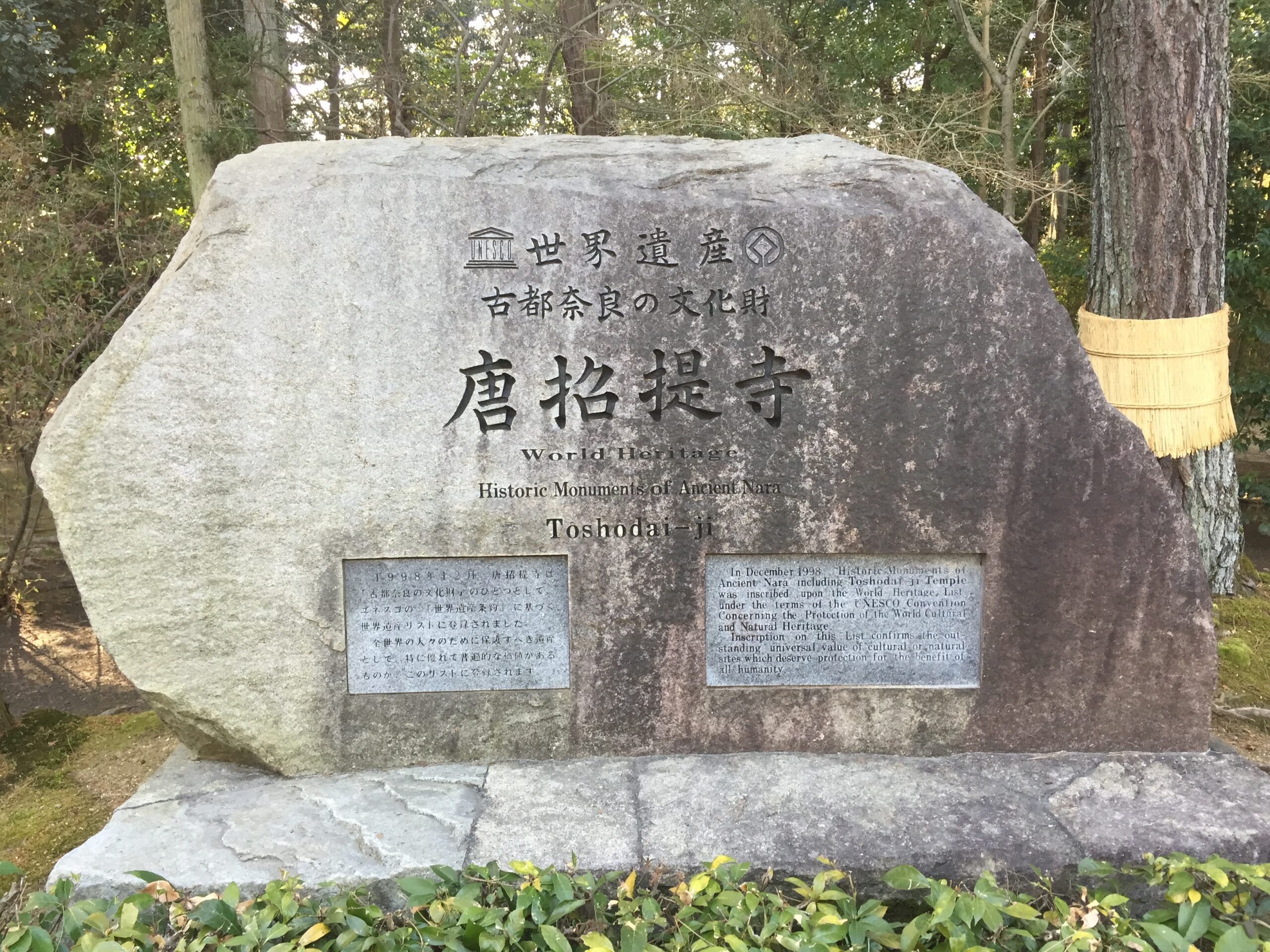
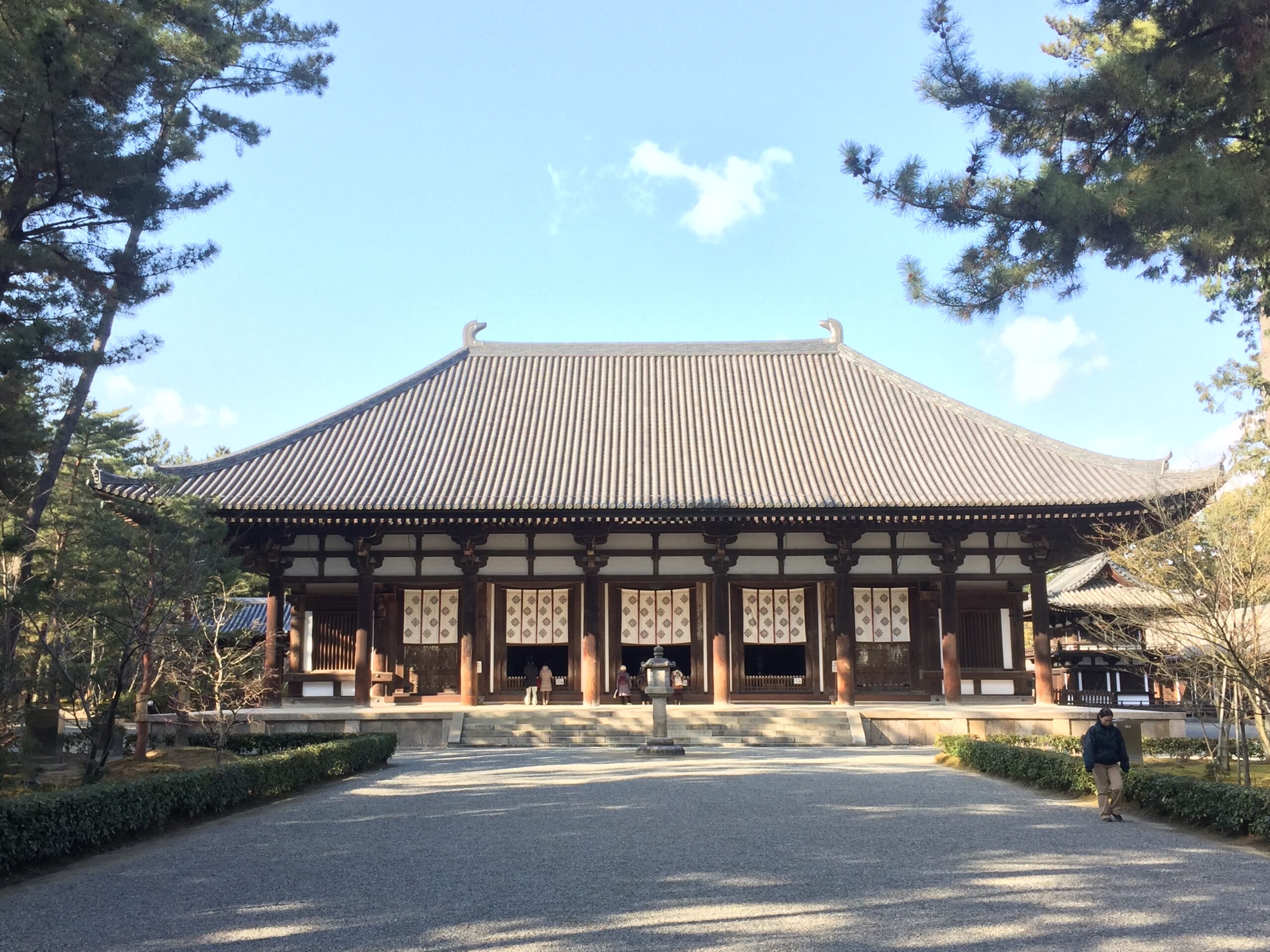
Tang Zhaoti Temple, a World Heritage Site (where the first Chinese monk to travel to the east to spread the Dharma, Gam Jin, was stationed)

World Heritage Site - Mahamudra Hall of Tang Zhaoti Temple.

0
    0
    Your Shopping Cart
    Your shopping cart is empty.Back to the store.