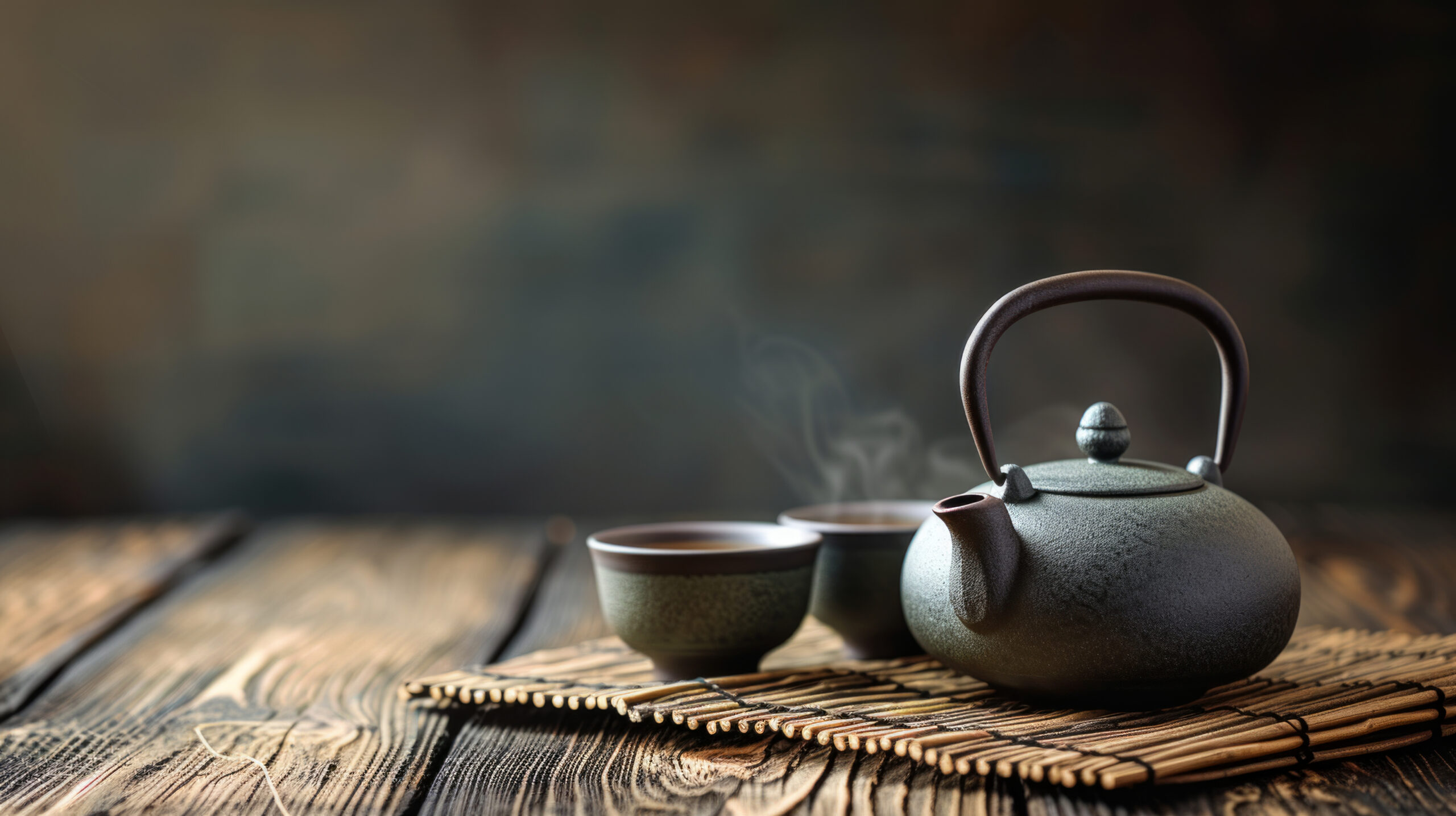

Do you have any experience with this?
The first time you walk into a tea shop or a tea counter, you will be greeted by a wide array of tea cans, and the salesperson will smile and say, "This is a clear oolong, lightly fermented; this is a red water oolong, moderately fermented; and there is also black tea, fully fermented.
And you're like, "What's fermented? Is it like sauerkraut? Or is it like the way wine is fermented?" 🤔
Don't worry, today we are going to take a cup of tea to show you the "fermentation degree" of the tea -
It is not only a chemical change, but also a microcosm of culture and history, and the source of the "personality" of the cup of tea in your hand.
- fermentation ≠ Alcoholic fermentation is actually the "oxidized make-up" of tea.
Let's get one thing straight:
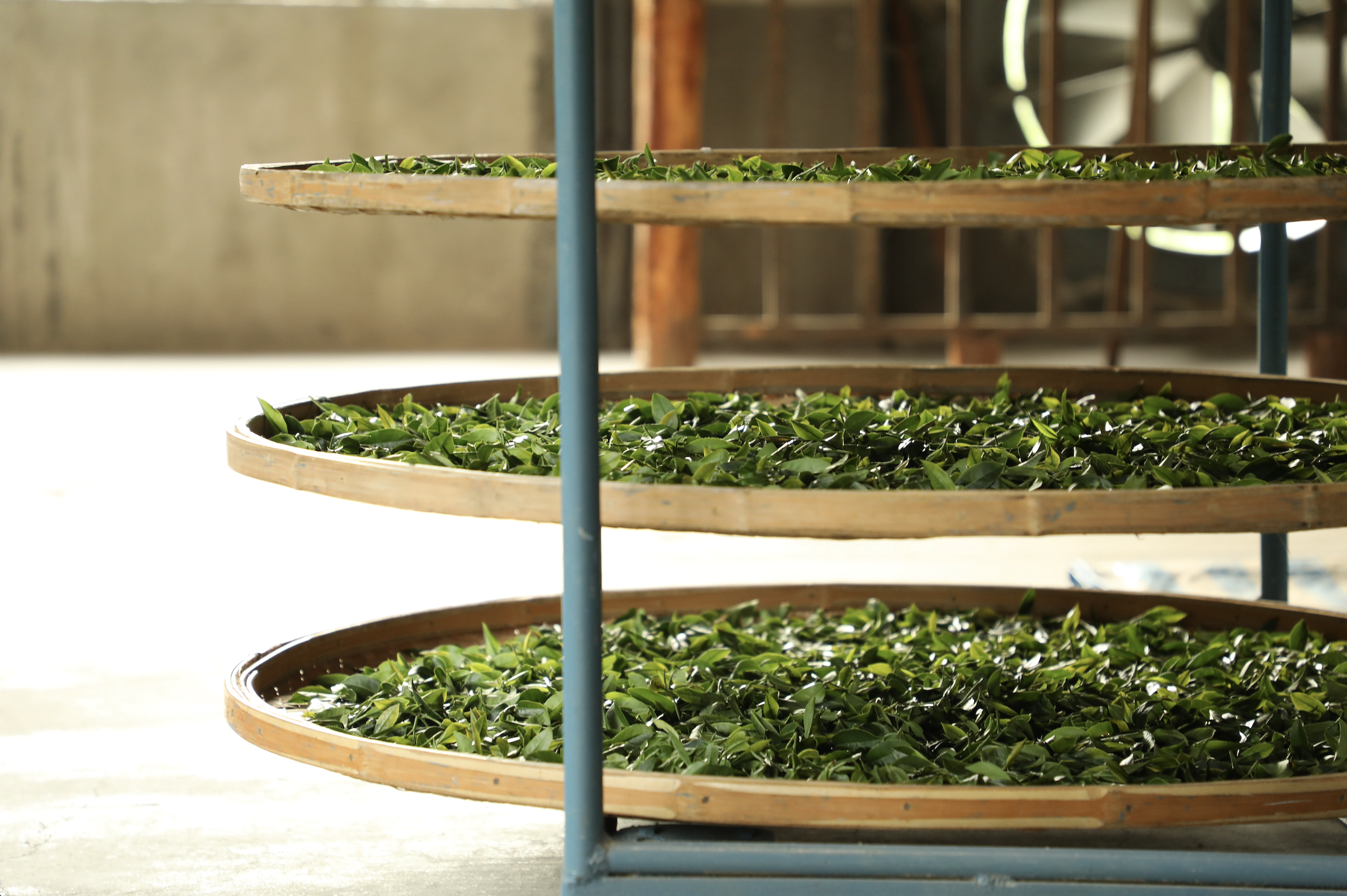
The "fermentation" of tea is not the fermentation of alcohol by yeast as in brewing wine or making bread, but--Enzyme-led oxidation within tea leaves。
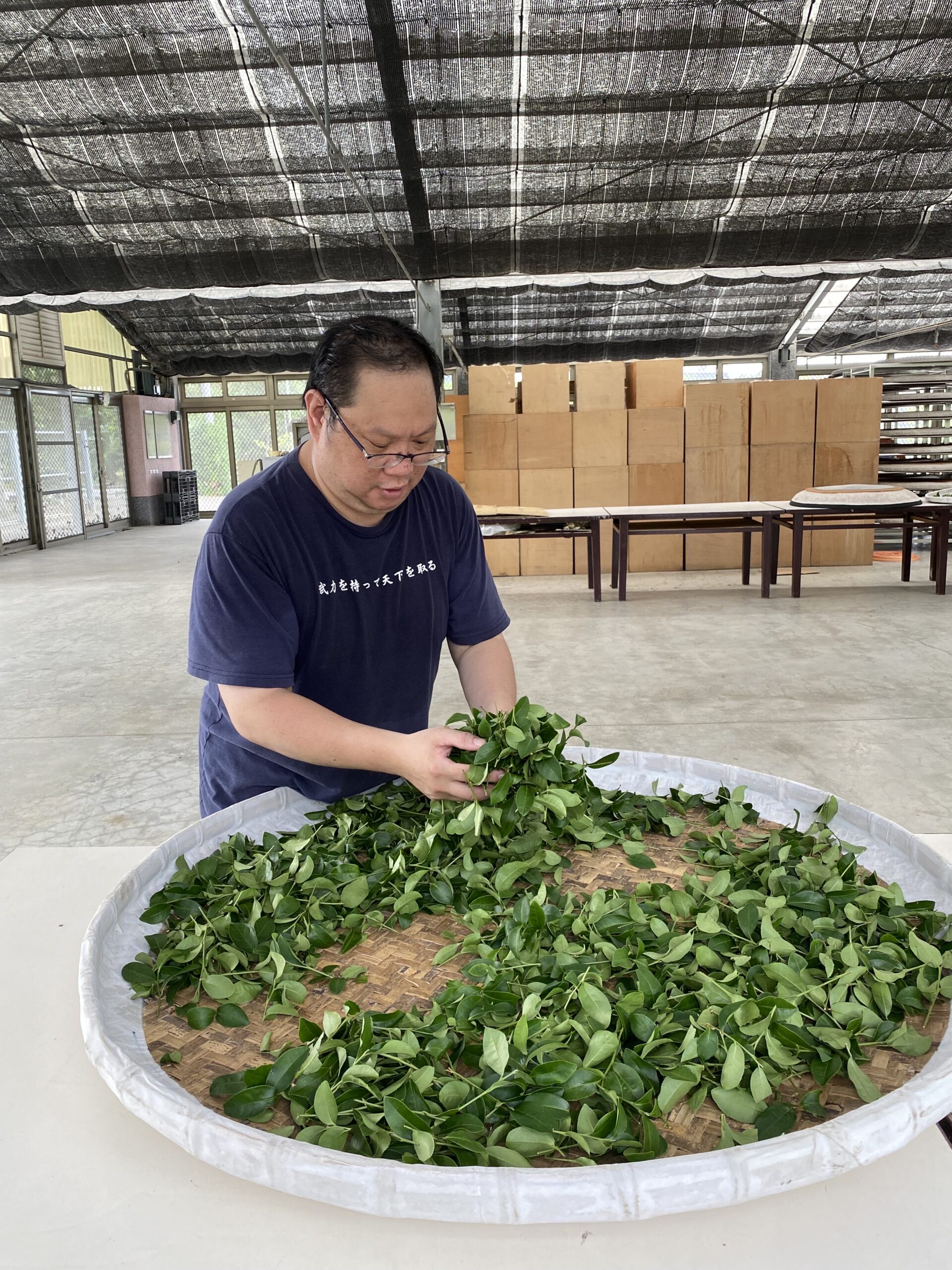
To put it simply, after the tea leaves are plucked, they go through the procedures we often hear about, such as withering, stirring, and ripening, which cause the cell walls inside the leaves to rupture, and the polyphenols inside begin to change under the action of "polyphenol oxidase enzyme", and as the degree of fermentation varies, the color changes from green to yellow to reddish-brown, and the aroma and taste change as well.
Think of it as a "makeup show":
- Green Tea → Totally Vegan Girl 👧, retains natural freshness.
- Oolong tea → Variety of stylist 🎭, light make-up and heavy make-up are suitable.
- Black Tea → Perfect Makeup Goddess 💃, strong aura and aroma.
- Black Tea → Old Soul 🧘, time to precipitate a unique flavor.
Two,The six major types of tea, categorized by fermentation level
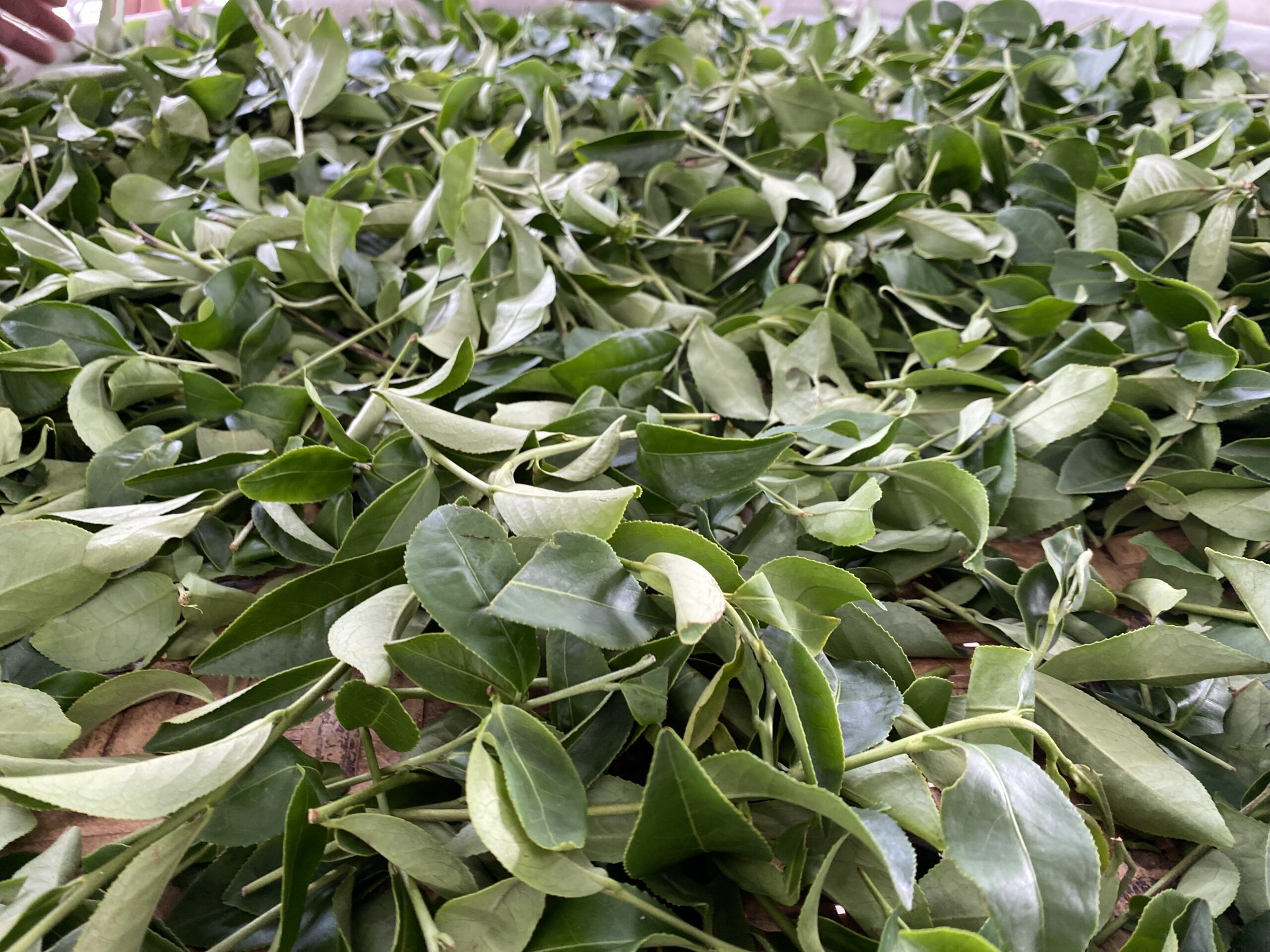
Most of the teas in the world can be categorized into the six major types of tea: green, white, yellow, green (oolong), red and black. The main difference lies in the degree of fermentation.
- Green Tea (0% Unfermented)
- in the name of: Longjing, Biluochun, Japanese Sencha, Japanese Yulu, etc.
- personalities: Fresh and crisp, like a green meadow in spring.
- Science TriviaCatechin: It retains the most catechins and has strong antioxidant power, but it is also astringent.
- flavorBean, Herb & Vegetable, and Seaweed flavors
- White Tea (10-20% Micro fermented)
- in the name of: Taiwan White Tea, White Peony, White Hair Silver Needle, Shou Mei
- personalities: light and Buddhist, like early morning mist.
- Features: The process is very simple, just drying and drying, and the flavor is very sweet.
- flavor: Tea aroma is light and fresh such as slightly floral, light fruity and herbal 🍚
- Yellow Tea (20-30% Lightly Fermented)
- in the name ofTaiwan Yellow Tea, Junshan Silver Needle, Huoshan Yellow Buds
- personalitiesThe color of the bottle is very similar to that of the other two: it is understated and restrained, with a slightly rounded, "boring" feel to it.
- Cold Knowledge: Similar to the green tea production process, the tea is fermented after the unique technology of "smoldering", which enhances the degree of fermentation and creates a wide variety of flavors.
- flavorTea aroma is sweet and elegant, often with light sweetness, sweetness and chestnut aroma.
- Green Tea (20-70% Semi-fermented)
Also known as Oolong tea! The songstress of the tea world.
- in the name ofWenshan Bao Seed (clear flavor), Tieguanyin (roasted), Taiwan Alpine Oolong, Red Water Oolong, Oriental Beauty Tea
- personalities: It can be fresh or chunky, and the range is super wide.
- flavorDepending on the degree of fermentation, it can be floral, fruity, honeyed, ripe, roasted or caramelized, and so on.
- Black Tea (70-90% heavy or fully fermented)
- in the name of: Taiwan Jade Black Tea, Honey Black Tea, Sun Moon Lake Black Tea, Darjeeling Black Tea, Assam Black Tea
- personalities: Mellow and sweet, with a reddish-colored tea broth.
- cultures: The 19th century saw the birth of afternoon tea in England.
- flavor: mellow and elegant, often nectar, fruity or sugary 🍮
- Black Tea (100% Full Fermentation "Post" Fermentation)
- in the name of: Pu-erh tea, Hunan Anhua black tea, Liu Bao tea
- personalities: Aroma of heavy aging, the more it ages, the better it becomes.
- distinctiveness: by the power of time and microorganisms, as collectible as old wine.
- flavor: mellow aromas such as Chan, wood, dates, pine or herbs, etc.
Three,Fermentation brings about a change in taste sensation
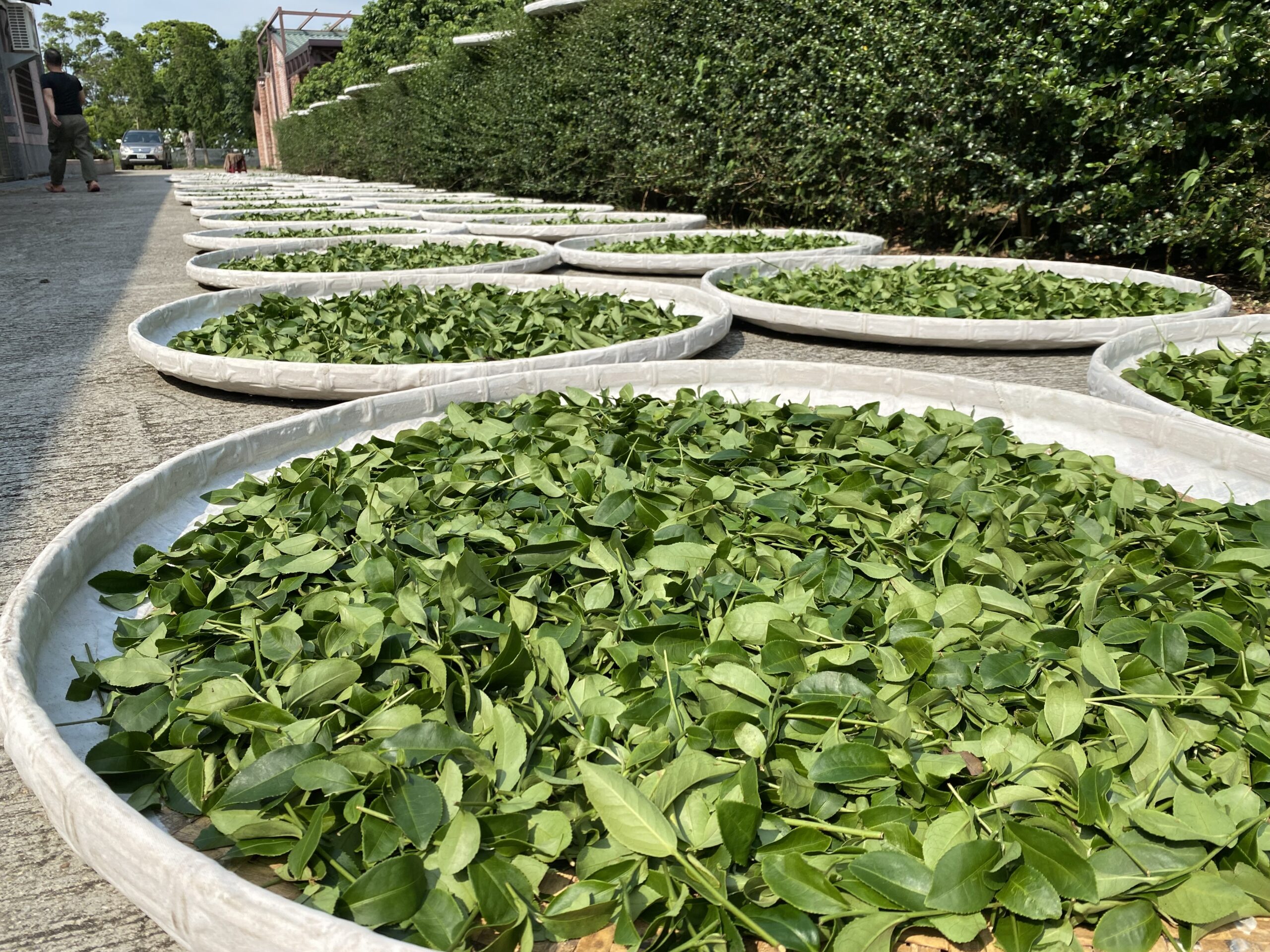
From a scientific point of view, tea polyphenols are converted into different substances during the fermentation process, which directly affects the taste:
- Green tea: most catechins → refreshing, but easily astringent.
- Oolong: Catechins are partially converted to different levels of theaflavins → floral and fruity aroma.
- Black tea: fully oxidized → theobromine-led → mellow and sweet.
- Black Tea: Post-fermentation to produce theobromine + various metabolites → warm and moist.
So:
- Green tea is like the first sip of iced water in the morning, instantly sobering 💧
- Oolong smells like freshly baked toast 🍞
- The black tea is like caramelized milk, sweet and delicious 🍮🥛
- Black tea is like a hot pot on a winter's night, warm and gentle 🍲
Four,Theater of Fermentation in History
- The Tea Classic of the Tang DynastyThe tea recorded by LU Yu was mostly steamed green and unfermented.
- Song Dynasty Tea OrderingMatcha: Green Tea is still the way to go.
- the Ming (1368-1644) and Qing (1644-1911) dynastiesThe rise of stir-frying, the birth of oolong, and semi-fermentation became a specialty of the Southeast coast.
- Late Qing Dynasty 19th CenturyThe British invented the "Afternoon Tea" after the black tea was exported to Europe in large quantities.
- modern timesBlack tea has become the star of the health and collection market.
Drinking tea is actually a "history of oxidation + cultural history".
Five,Common Myths:
- Green tea is high in catechins and therefore highest in caffeine?
Not necessarily. Caffeine content depends on the variety, season, and process, not just the degree of fermentation. - Is black tea "milder"?
Just because it is milder in taste does not mean it is low in caffeine, which is often the highest of all teas. - Fermentation = healthier?
No, each type of tea has its own unique nutrients, it's just a matter of choosing the right time and amount.
Tea selection in life: What tea to drink when?
A lot of people ask, "Well, which tea do I really want to drink?"
In fact, there is no need to get too entangled, just follow the timetable:
- morning commutersA cup of green tea or a refreshing oolong is a great way to refresh and energize your mind.
- Lunch or Afternoon OL/CommuterThe tea is a relaxing and cozy treat: black tea, red water oolong, and a small snack.
- Evening Healthy People: Black tea or roasted oolong is warm and relaxing and does not interfere with sleep.
A little reminder: If you are afraid of insomnia, you should "reduce the amount of tea", not "refuse tea".
Conclusion: Fermentation is the soul of tea.
The beauty of tea is not just that it tastes good, but that it is fermented to give it an ever-changing personality.
The world of tea is not that complicated.
When you understand fermentation, you will be able to find out the character of the tea in one sip: it can be as fresh as the morning sun, or as heavy as the evening sun; it can be as elegant as a white-clothed scholar, or as mellow as an old and wise man. 👉 「Next time someone asks you that.茶How? You.All you have to do is to say slowly, "This flavor is fermented." In an instant, the whole audience認For you.Professional Tea Tasters。」 😏